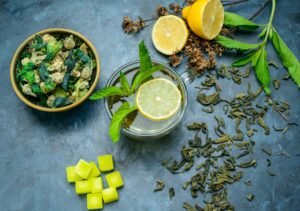


What is herbal tea? Herbal tea is a beverage made by steeping herbs, flowers, fruits, roots, spices, and other plant ingredients in hot water. Unlike traditional teas that come from the Camellia sinensis plant, herbal teas are created from a wide variety of botanicals and are usually naturally caffeine-free.
Herbal tea has been enjoyed for centuries by cultures around the world as a flavorful and naturally caffeine-free beverage. Despite its name, herbal tea is not actually made from traditional tea leaves. Instead, it is created by steeping herbs, flowers, fruits, roots, spices, and other plant ingredients in hot water to produce a wide variety of flavors and aromas.
From the calming floral notes of chamomile to the refreshing taste of peppermint and the tart flavor of hibiscus, herbal teas offer countless options for every preference. Many people enjoy herbal tea as part of their daily wellness routine, while others simply appreciate its comforting warmth and natural ingredients.
In this guide, you’ll learn what herbal tea is, how it differs from traditional tea, the most popular types of herbal teas, and why these beverages have become a favorite choice for tea lovers worldwide.
If you’re looking for naturally caffeine-free beverages, our Caffeine-Free Teas Guide explores some of the most popular options available today.
How Herbal Tea Is Made
Herbal tea is made by steeping dried or fresh plant materials in hot water, allowing their natural flavors, aromas, and beneficial plant compounds to infuse into the beverage. Unlike traditional teas that come from the tea plant (Camellia sinensis), herbal teas can be created from a wide variety of herbs, flowers, fruits, roots, seeds, and spices.
The preparation process is simple. The selected ingredients are placed in hot water and left to steep for several minutes, depending on the type of herb and the desired strength. Delicate flowers and leaves typically require shorter steeping times, while roots, bark, and seeds often need longer infusion periods to fully release their flavors.
One of the reasons herbal tea is so popular is the incredible variety of ingredients available. Each herb contributes its own unique taste, aroma, and character, allowing for endless combinations and blends.
Common Ingredients Used in Herbal Tea
- Chamomile flowers
- Peppermint leaves
- Lavender blossoms
- Hibiscus flowers
- Lemon balm
- Ginger root
- Rooibos
- Greek mountain tea
- Rose hips
- Cinnamon bark
Many commercial herbal tea blends combine several of these ingredients to create balanced flavors and unique drinking experiences. Whether enjoyed hot or iced, herbal tea offers a natural and versatile beverage option for people seeking a caffeine-free alternative to traditional tea and coffee.
History of Herbal Tea
Herbal tea has a rich history that spans thousands of years and countless cultures. Long before modern beverages became widely available, people around the world were steeping herbs, flowers, roots, fruits, and spices in hot water to create flavorful drinks. These early herbal infusions were valued not only for their taste but also for their role in daily traditions and cultural practices.
Ancient Egypt and Herbal Infusions
Some of the earliest evidence of herbal tea consumption comes from ancient Egypt. Egyptians used a variety of plants and herbs to create aromatic beverages and infusions. Ingredients such as mint, fennel, and hibiscus were commonly used, with hibiscus tea remaining a popular drink throughout North Africa and the Middle East to this day.
Traditional Chinese Herbal Beverages
China has a long history of using herbs in beverages that dates back thousands of years. While China is famous as the birthplace of traditional tea made from Camellia sinensis, herbal infusions also played an important role in Chinese culture. Ginger, chrysanthemum flowers, goji berries, and numerous other botanicals were commonly steeped in hot water and enjoyed as part of daily life.
Greek and Mediterranean Herbal Tea Traditions
Throughout Greece and the Mediterranean region, herbal teas have been enjoyed for generations. Local plants growing in mountainous regions were often harvested, dried, and brewed into fragrant beverages. One of the best-known examples is Greek mountain tea, made from plants in the Sideritis family. Mediterranean cultures have long embraced herbal teas as part of social gatherings, family traditions, and everyday routines.
European Herbal Remedies and Teas
During the Middle Ages, herbal knowledge spread throughout Europe, where monasteries and herbal gardens cultivated a wide variety of medicinal and culinary plants. Chamomile, peppermint, lemon balm, lavender, and rose hips became popular ingredients for herbal infusions. These beverages were commonly enjoyed in homes and communities across the continent and remain among the most popular herbal teas today.
Herbal Tea Around the World
Many other cultures developed their own herbal tea traditions. South Africa introduced rooibos tea, South America became known for beverages made from yerba mate, and countless indigenous communities created unique infusions using local plants and herbs. These regional traditions contributed to the incredible diversity of herbal teas available today.
Modern Popularity of Herbal Tea
In recent decades, herbal tea has experienced a surge in popularity around the world. Consumers increasingly seek caffeine-free beverage options, natural ingredients, and unique flavor experiences. Today, herbal teas can be found in supermarkets, specialty tea shops, health food stores, and online retailers, with hundreds of varieties available to suit every taste.
From ancient herbal infusions in Egypt and China to modern tea blends enjoyed worldwide, the history of herbal tea reflects humanity’s long-standing appreciation for the flavors and traditions found in nature.
To learn more about the history of tea and tea culture worldwide, visit the Encyclopedia Britannica Tea History resource.
Popular Types of Herbal Tea
With hundreds of herbal tea varieties available worldwide, some have become especially popular because of their unique flavors, long histories of traditional use, and widespread availability. Whether you prefer floral, minty, fruity, or earthy flavors, there is an herbal tea to suit almost every taste.
Chamomile Tea
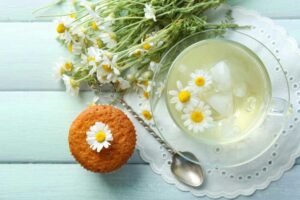
Chamomile tea is one of the most widely consumed herbal teas in the world. Made from dried chamomile flowers, it has a delicate floral aroma and a naturally mild, slightly sweet flavor. Many people enjoy chamomile tea as part of their evening routine, making it one of the most recognizable herbal tea varieties available today.
Chamomile remains one of the world’s favorite herbal teas. Learn more about the Benefits of Chamomile Tea and why it has been enjoyed for generations.
Peppermint Tea
Peppermint tea is known for its refreshing taste and cooling sensation. Prepared from peppermint leaves, this herbal tea delivers a bold minty flavor that can be enjoyed hot or iced. Its crisp and invigorating character makes it a favorite choice throughout the year.
Hibiscus Tea
Made from the dried calyces of the hibiscus flower, hibiscus tea is famous for its vibrant ruby-red color and tart, cranberry-like flavor. It can be enjoyed either hot or cold and is commonly used in herbal tea blends thanks to its bright taste and striking appearance.
Known for its vibrant color and tart flavor, hibiscus is a popular herbal infusion. Discover the Benefits of Hibiscus Tea in our detailed guide.
Greek Mountain Tea
Greek mountain tea is traditionally made from plants belonging to the Sideritis family, which grow in mountainous regions throughout the Mediterranean. This herbal tea has a smooth, earthy flavor with subtle floral notes and has been enjoyed for generations in countries such as Greece, Bulgaria, and neighboring parts of Southern Europe.
Greek mountain tea has a long history of traditional use throughout the Mediterranean. Read about the Benefits of Greek Mountain Tea to learn more.
Lavender Tea
Lavender tea is made from dried lavender blossoms and offers a distinctive floral aroma with a slightly sweet taste. Its fragrant character makes it a popular ingredient in herbal tea blends and specialty tea collections.
Lavender tea is valued for its distinctive floral aroma. Explore the Benefits of Lavender Tea to learn why it remains a favorite herbal beverage.
Lemon Balm Tea
Lemon balm tea is prepared from the leaves of the lemon balm plant and features a light citrus flavor with gentle herbal notes. This refreshing tea is often enjoyed on its own or blended with other herbs such as chamomile and peppermint.
Ginger Tea
Ginger tea is created by steeping fresh or dried ginger root in hot water. It has a warm, spicy flavor and is commonly consumed around the world both as a standalone beverage and as part of herbal tea blends.
Rooibos Tea
Native to South Africa, rooibos tea is technically an herbal tea made from the leaves of the rooibos shrub. It produces a smooth, naturally sweet flavor with earthy undertones and contains no caffeine, making it a popular alternative to traditional tea.
Rose Hip Tea
Rose hip tea is made from the fruit of the rose plant. It offers a pleasantly tart flavor and is often blended with hibiscus, berries, and other fruits to create flavorful herbal tea combinations.
Echinacea Tea
Echinacea tea is prepared from various parts of the echinacea plant, including its flowers, leaves, and roots. It has a mildly earthy taste and remains a popular herbal tea choice among tea enthusiasts.
Together, these popular herbal teas showcase the incredible variety found within the world of herbal infusions, offering flavors that range from floral and fruity to minty, spicy, and earthy.
Why People Drink Herbal Tea
Herbal tea has remained popular across cultures for centuries because it offers a unique combination of flavor, comfort, and variety. From simple single-herb infusions to complex botanical blends, herbal teas appeal to people looking for an enjoyable beverage that can be consumed throughout the day.
Many people enjoy herbal tea as part of their self-care routine. Our guide to the Best Herbal Teas for Relaxation highlights some of the most popular choices.
Pleasant Flavors and Aromas
One of the biggest reasons people enjoy herbal tea is the wide range of flavors available. Herbal teas can be floral, fruity, minty, spicy, citrusy, or earthy, allowing tea drinkers to find options that suit their personal preferences. The natural aromas released during brewing also contribute to the overall experience.
Naturally Caffeine-Free
Most herbal teas are naturally caffeine-free because they do not contain leaves from the traditional tea plant. This makes herbal tea a popular choice for individuals who want to reduce their caffeine intake or enjoy a warm beverage in the evening without consuming stimulants.
Warm and Comforting
A freshly brewed cup of herbal tea provides warmth and comfort, especially during colder months. Many people enjoy herbal tea as part of a relaxing morning routine, an afternoon break, or a calming evening ritual.
Endless Variety
The world of herbal tea offers countless combinations of herbs, flowers, fruits, roots, and spices. Whether someone prefers chamomile, peppermint, hibiscus, lavender, ginger, or unique custom blends, there is always a new flavor to explore.
Traditional and Cultural Significance
Many herbal teas have deep roots in cultural traditions around the world. Different regions have long enjoyed local herbs and botanical infusions as part of daily life, social gatherings, and family customs. These traditions continue to influence how herbal teas are enjoyed today.
A Simple Daily Beverage
For many people, herbal tea is simply an enjoyable beverage that can be consumed throughout the day. Whether served hot on a winter evening or iced during the summer months, herbal tea provides a refreshing alternative to coffee, soft drinks, and other beverages.
While many herbal teas have a long history of traditional use, they are generally enjoyed as beverages rather than medical treatments. People often choose herbal tea for its taste, aroma, and relaxing drinking experience rather than for specific health purposes.
Herbal Tea vs Traditional Tea
Although both beverages are commonly referred to as “tea,” herbal tea and traditional tea are quite different in terms of their ingredients, caffeine content, and flavor profiles. Traditional teas are made from the leaves of the Camellia sinensis plant, while herbal teas are created from a wide variety of herbs, flowers, fruits, roots, and spices.
Understanding these differences can help you choose the beverage that best fits your preferences and lifestyle.
| Feature | Herbal Tea | Traditional Tea |
|---|---|---|
| Made from tea plant | No | Yes |
| Contains caffeine | Usually no | Usually yes |
| Ingredients | Herbs, flowers, fruits, roots, spices | Tea leaves |
| Flavor variety | Extremely wide | Tea-based flavors |
| Examples | Chamomile, peppermint, hibiscus, lavender | Black tea, green tea, oolong tea |
Key Differences
Source of Ingredients
Traditional teas all come from the same plant species, Camellia sinensis. Differences between black, green, white, and oolong tea result from how the leaves are processed after harvesting.
Herbal teas, on the other hand, can be made from countless plant ingredients, resulting in much greater flavor diversity.
Caffeine Content
Most herbal teas are naturally caffeine-free, making them suitable for any time of day. Traditional teas generally contain caffeine, although the amount varies depending on the tea type and brewing method.
Flavor Profiles
Herbal teas offer an enormous range of flavors, from floral and sweet to spicy, fruity, citrusy, and earthy. Traditional teas typically retain characteristic tea flavors with varying degrees of bitterness, sweetness, and complexity.
Brewing Flexibility
Because herbal teas come from many different ingredients, steeping times and preparation methods can vary considerably. Traditional teas generally follow more standardized brewing guidelines.
Common Herbal Tea Ingredients and Their Flavors
One of the reasons herbal tea is so popular is the incredible variety of ingredients available. Each herb, flower, fruit, or root contributes its own unique flavor profile, allowing tea drinkers to explore a wide range of tastes and aromas. Understanding the characteristics of common herbal tea ingredients can help you choose blends that match your personal preferences.
| Ingredient | Flavor Profile |
|---|---|
| Chamomile | Floral, sweet, slightly apple-like |
| Peppermint | Cool, refreshing, minty |
| Hibiscus | Tart, fruity, cranberry-like |
| Lavender | Floral, aromatic, slightly sweet |
| Ginger | Spicy, warming, zesty |
| Lemon Balm | Light citrus, fresh, mildly sweet |
| Rooibos | Smooth, earthy, naturally sweet |
| Greek Mountain Tea | Mild, herbal, slightly floral |
| Rose Hips | Fruity, tangy, slightly tart |
| Cinnamon | Sweet, spicy, warming |
| Fennel | Mildly sweet, licorice-like |
| Passionflower | Light, earthy, floral |
| Echinacea | Mildly earthy and herbal |
| Sage | Savory, earthy, slightly peppery |
| Lemongrass | Bright citrus, refreshing |
Floral Herbal Teas
Floral herbal teas are among the most aromatic options available. Ingredients such as chamomile, lavender, rose petals, and jasmine create delicate flavors and pleasant fragrances that many people find soothing and enjoyable.
Minty and Refreshing Herbal Teas
Peppermint and spearmint are popular choices for those who enjoy crisp, refreshing flavors. Mint-based teas can be enjoyed hot or iced and are often included in herbal tea blends because of their bright taste.
Fruity and Tart Herbal Teas
Hibiscus, rose hips, berries, and dried fruit pieces contribute vibrant flavors and natural sweetness. These ingredients are especially popular in iced herbal tea blends during warmer months.
Spicy and Warming Herbal Teas
Ginger, cinnamon, cloves, and cardamom add warmth and depth to herbal tea blends. These ingredients are frequently used in seasonal and wellness-inspired teas.
Earthy and Herbal Flavors
Ingredients such as rooibos, Greek mountain tea, sage, and echinacea provide more subtle earthy flavors. These teas often appeal to people who prefer less sweetness and a more traditional herbal character.
Because herbal teas can be blended in countless ways, every cup offers a unique flavor experience. Whether you prefer floral, fruity, minty, spicy, or earthy notes, there is an herbal tea ingredient that can match your taste preferences.
How to Choose the Right Herbal Tea
With so many herbal tea varieties available, choosing the right one can feel overwhelming. The best herbal tea for you often depends on your flavor preferences, when you plan to drink it, and whether you enjoy single-herb teas or blended infusions. Understanding these factors can help you discover herbal teas that match your tastes and lifestyle.
Many tea drinkers prefer gentle herbal infusions in the evening. See our recommendations for the Best Bedtime Teas.
Based on Flavor Preferences
One of the easiest ways to choose an herbal tea is by focusing on the flavors you enjoy most.
Floral Teas
Floral herbal teas offer delicate aromas and naturally sweet flavors. Popular options include chamomile, lavender, rose, and jasmine-based herbal blends. These teas are often favored by those who enjoy light and fragrant beverages.
Minty Teas
If you prefer refreshing flavors, mint-based teas may be the perfect choice. Peppermint and spearmint teas provide a cool, crisp taste that can be enjoyed both hot and iced.
Fruity Teas
Fruity herbal teas are known for their vibrant flavors and colorful appearance. Hibiscus, rose hips, berries, apple pieces, and citrus peels are commonly used to create naturally sweet and tart blends.
Spiced Teas
For a warming and bold flavor profile, consider herbal teas that contain ginger, cinnamon, cloves, cardamom, or other spices. These ingredients create rich and comforting beverages that are especially popular during colder months.
Based on Time of Day
Different herbal teas may fit better into certain parts of your daily routine.
Morning
Many people enjoy refreshing herbal teas in the morning, such as peppermint, ginger, lemon balm, or citrus-based blends. These flavors can provide a bright and invigorating start to the day.
Afternoon
Fruity and floral teas are popular afternoon choices. Hibiscus, rooibos, chamomile blends, and fruit infusions offer enjoyable flavors without the caffeine found in traditional tea and coffee.
Evening
For an evening beverage, many tea drinkers prefer gentle herbal teas with mild flavors. Chamomile, lavender, lemon balm, and Greek mountain tea are frequently enjoyed as part of a relaxing nighttime routine.
Single-Herb Tea vs Herbal Blends
Single-Herb Teas
Single-herb teas contain just one primary ingredient, allowing you to experience its unique flavor without additional botanicals. Examples include pure chamomile tea, peppermint tea, or hibiscus tea.
Benefits of single-herb teas include:
- Simple ingredient lists
- Distinct flavor profiles
- Easier identification of favorite herbs
Herbal Tea Blends
Herbal blends combine multiple ingredients to create more complex flavors and aromas. A blend might include chamomile, lavender, lemon balm, and peppermint, offering a balanced and layered taste experience.
Benefits of herbal blends include:
- More diverse flavors
- Greater variety of aromas
- Unique combinations not found in single-herb teas
Ultimately, the best herbal tea is the one that matches your personal preferences. Exploring different herbs, flavors, and blends is part of the enjoyment, and with so many options available, there is always something new to discover.
Some people also enjoy calming herbal blends as part of their evening routine. Learn more in our guide to the Best Herbal Teas for Anxiety.
How to Brew Herbal Tea Properly
Brewing herbal tea is simple, but a few basic techniques can help you achieve the best flavor and aroma. Because herbal teas are made from a variety of plant ingredients, brewing recommendations may vary slightly depending on the herbs used.
Water Temperature
Most herbal teas are brewed using freshly boiled water, typically around 200–212°F (93–100°C). Hot water helps extract the flavors and aromas from flowers, herbs, roots, and spices.
Steeping Time
Most herbal teas benefit from a steeping time of 5 to 10 minutes. Delicate flowers and leaves may require less time, while roots, bark, and seeds often need longer infusions to fully develop their flavor.
Loose Leaf vs Tea Bags
Both loose-leaf herbal tea and tea bags can produce excellent results. Loose-leaf teas often contain larger pieces of herbs and flowers, while tea bags offer convenience and ease of preparation.
Hot vs Iced Herbal Tea
Herbal tea can be enjoyed hot throughout the year or served over ice as a refreshing beverage during warmer months. Fruity varieties such as hibiscus and berry blends are especially popular as iced teas.
For a complete step-by-step guide, see our article on How to Brew Herbal Tea Properly.
Are Herbal Teas Safe for Everyone?
While herbal teas are widely enjoyed around the world, it is important to remember that different herbs can affect individuals differently. Understanding the ingredients in your tea can help you make informed choices.
Pregnancy Considerations
Some herbal ingredients may not be recommended during pregnancy or while breastfeeding. Individuals in these situations should consult a qualified healthcare professional before regularly consuming herbal teas.
Medication Interactions
Certain herbs may interact with prescription medications or dietary supplements. If you take medication regularly, it is wise to review herbal ingredients with your healthcare provider.
Allergies and Sensitivities
People with allergies to specific plants or botanical families should carefully check ingredient lists before consuming herbal teas. Even natural ingredients can cause reactions in sensitive individuals.
Read Ingredient Labels Carefully
Not all herbal teas contain the same ingredients. Blends can include dozens of herbs, flowers, fruits, and spices, making it important to review labels and understand what is in each product.
Herbal teas are generally enjoyed as beverages, but individual needs and sensitivities can vary significantly from person to person.
Consumers interested in learning more about herbs and botanical products can explore the MedlinePlus Herbal Medicine Resources website.
Organic vs Conventional Herbal Tea
When shopping for herbal tea, you may notice both organic and conventional options available. Understanding the differences can help you decide which products best fit your preferences.
If you prefer certified organic products, our roundup of the Best Organic Herbal Teas can help you find high-quality options.
What Organic Certification Means
Organic herbal teas are produced according to specific agricultural standards that regulate how plants are grown, harvested, and processed. Certified organic products typically avoid the use of many synthetic pesticides and fertilizers.
Why Some Consumers Choose Organic
Many consumers prefer organic herbal teas because they appreciate the farming practices used to grow the ingredients. Others choose organic products as part of their overall approach to purchasing food and beverages.
Storage and Freshness Matter
Whether organic or conventional, freshness plays an important role in tea quality. To maintain flavor and aroma:
- Store tea in an airtight container
- Keep it away from heat and moisture
- Avoid direct sunlight
- Use within the recommended timeframe
Proper storage helps preserve the quality of herbs and botanical ingredients.
You can learn more about organic standards and certification through the USDA Organic Certification program.
How Herbal Tea Fits Into a Healthy Lifestyle
For many people, herbal tea is more than just a beverage. It can be a simple and enjoyable part of everyday routines and healthy lifestyle habits.
Supporting Daily Hydration
Because herbal teas are primarily water-based, they can contribute to overall fluid intake throughout the day. Many people enjoy herbal tea as a flavorful alternative to plain water.
Replacing Sugary Drinks
Unsweetened herbal tea can serve as an alternative to soft drinks, sweetened beverages, and other high-sugar options. The natural flavors of herbs, flowers, and fruits often provide plenty of taste without added sugar.
Creating a Daily Wellness Ritual
Many tea drinkers enjoy the process of brewing and sipping herbal tea as a relaxing daily ritual. Taking a few moments to prepare a cup of tea can help create a sense of routine and mindfulness.
Naturally Caffeine-Free Options
Most herbal teas are naturally caffeine-free, making them suitable for people who wish to reduce or avoid caffeine. This allows herbal tea to be enjoyed throughout the day, including during the evening.
Whether consumed for flavor, comfort, or simply as part of a balanced lifestyle, herbal tea remains one of the most versatile and widely enjoyed beverages around the world.
Wondering how herbal infusions compare with traditional tea? Read our guide to Herbal Tea vs Green Tea for a detailed comparison.
Frequently Asked Questions About Herbal Tea
Is herbal tea actually tea?
Technically, herbal tea is not considered true tea because it does not come from the Camellia sinensis plant. Herbal teas are more accurately described as herbal infusions or tisanes.
Does herbal tea contain caffeine?
Most herbal teas are naturally caffeine-free. However, some herbal tea blends may include green tea, black tea, yerba mate, or other caffeinated ingredients, so it is always a good idea to check the label.
Can herbal tea be consumed every day?
Many people enjoy herbal tea daily as part of their routine. Because different herbs have unique properties, it is always wise to research specific ingredients if you plan to consume them regularly.
What is the most popular herbal tea?
Chamomile tea, peppermint tea, and hibiscus tea are among the most popular herbal teas worldwide due to their distinctive flavors and widespread availability.
Can herbal tea be served cold?
Yes. Many herbal teas can be enjoyed either hot or iced. Hibiscus tea, peppermint tea, and fruit-based herbal blends are especially popular as refreshing cold beverages.
What Is Herbal Tea?
Herbal tea is an infusion made from herbs, flowers, fruits, roots, and spices rather than tea leaves.
Final Thoughts
Herbal tea is a broad category of beverages made from herbs, flowers, fruits, roots, spices, and other plant ingredients rather than traditional tea leaves. With an incredible variety of flavors, aromas, and blends available, herbal tea offers something for nearly every taste preference.
Whether you enjoy the floral sweetness of chamomile, the refreshing character of peppermint, the tart flavor of hibiscus, or the earthy notes of Greek mountain tea, herbal teas provide a naturally caffeine-free alternative that can be enjoyed throughout the day. As interest in natural beverages continues to grow, herbal tea remains one of the most versatile and widely enjoyed drinks around the world.
Post Disclaimer
The information contained in this post is for general information purposes only. The information is provided as is and while we endeavour to keep the information up to date and correct, we make no representations or warranties of any kind, express or implied, about the completeness, accuracy, reliability, suitability or availability with respect to the website or the information, products, services, or related graphics contained on the post for any purpose.
These statements have not been evaluated by the FDA and are not intended to diagnose, treat, cure or prevent any disease or health condition. If you have specific healthcare concerns or questions about the products displayed, please contact your licensed healthcare professional for advice or answers.