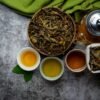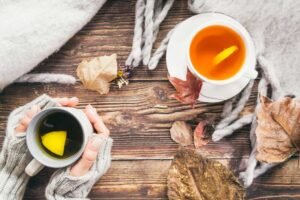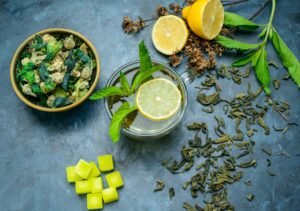


Herbal tea has been enjoyed for centuries across cultures for its wide variety of flavors, aromas, and traditional uses. Unlike traditional tea made from the leaves of the tea plant, herbal tea is created by steeping herbs, flowers, fruits, roots, spices, and other plant ingredients in hot water. Because most herbal teas do not contain leaves from the tea plant, they are naturally caffeine-free and suitable for any time of day.
Today, there are hundreds of different types of herbal tea available, each offering its own unique taste and characteristics. Some herbal teas are known for their floral notes, while others feature fruity, minty, spicy, or earthy flavors. Popular varieties include chamomile, peppermint, hibiscus, lavender, rooibos, ginger, and Greek mountain tea.
In this guide, we’ll explore the most popular types of herbal tea, how they are made, their flavor profiles, and what makes each one unique. Whether you’re new to herbal tea or looking to expand your collection, understanding the different types of herbal tea can help you discover new favorites and enjoy a wider range of herbal infusions.
What Are Herbal Teas?
Herbal teas are beverages made by steeping herbs, flowers, fruits, roots, spices, seeds, or other plant materials in hot water. Unlike traditional teas such as green tea, black tea, white tea, and oolong tea, herbal teas are not typically made from the leaves of the tea plant, known as Camellia sinensis.
Because they are made from a wide variety of botanicals, herbal teas come in countless flavors, colors, and aromas. Some offer delicate floral notes, while others provide refreshing mint flavors, tart fruitiness, warming spices, or earthy herbal characteristics.
One of the reasons herbal teas have become so popular is their diversity. Whether you prefer a calming evening beverage, a refreshing afternoon drink, or a flavorful caffeine-free alternative to coffee and traditional tea, there is likely an herbal tea that matches your preferences.
Many herbal teas have long histories of traditional use in cultures around the world. Today, they remain popular for their enjoyable flavors, comforting rituals, and natural ingredients. From chamomile and peppermint to hibiscus and Greek mountain tea, herbal teas continue to be enjoyed by millions of people every day.
Understanding the different types of herbal tea can help you explore new flavors and discover which varieties best suit your taste and lifestyle.
Flower-Based Herbal Teas
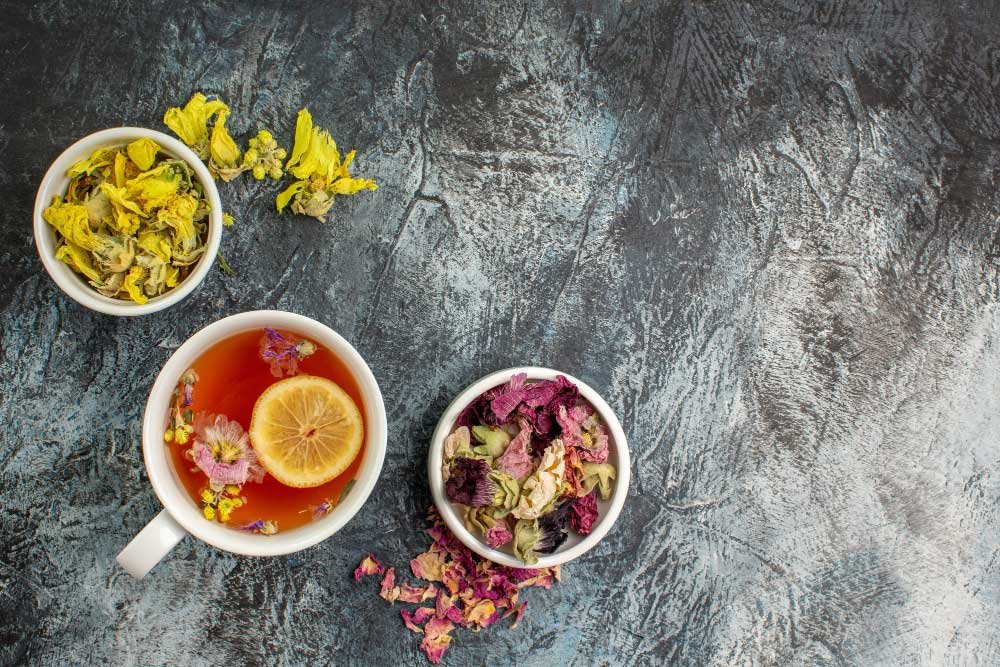
Flower-based herbal teas are among the most popular and widely consumed herbal infusions. These teas are made from dried flowers, petals, or flowering herbs and are often prized for their delicate aromas, beautiful appearance, and naturally pleasant flavors.
Many flower teas produce light, soothing beverages that can be enjoyed throughout the day. Their flavor profiles range from sweet and floral to tart and refreshing, making them appealing to both new and experienced tea drinkers.
Popular flower-based herbal teas include:
- Chamomile Tea
- Lavender Tea
- Hibiscus Tea
- Rose Tea
- Jasmine Herbal Blends
- Chrysanthemum Tea
These herbal teas are commonly enjoyed on their own or blended with other herbs to create unique flavor combinations. Many commercial herbal tea blends use flowers as a key ingredient because of their fragrance and visual appeal.
Flower teas are also popular choices for evening tea rituals due to their gentle flavors and naturally caffeine-free nature. Whether served hot during colder months or iced in warm weather, flower-based herbal teas offer a versatile and enjoyable way to explore the world of herbal infusions.
Chamomile Tea
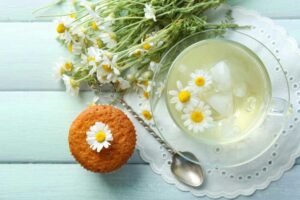
Chamomile tea is one of the most popular herbal teas in the world. Made from dried chamomile flowers, it offers a light floral flavor with subtle apple-like notes and a naturally soothing aroma. Because it is caffeine-free, chamomile tea is often enjoyed in the evening and is a common ingredient in many relaxation and bedtime tea blends.
Lavender Tea
Lavender tea is known for its distinctive floral fragrance and delicate flavor. Made from dried lavender buds, this herbal tea is frequently enjoyed as part of a calming daily routine. Its aromatic qualities make it a popular choice for evening tea drinkers, and it is often blended with chamomile, lemon balm, and other floral herbs.
Hibiscus Tea
Hibiscus tea is easily recognized by its deep red color and refreshing tart flavor. Made from dried hibiscus calyces, this herbal infusion is enjoyed around the world both hot and iced. Its cranberry-like taste makes it one of the most flavorful herbal teas available, and it is commonly included in fruit and wellness tea blends.
Rose Tea
Rose tea is made from dried rose petals or rosebuds and is valued for its delicate floral aroma and naturally sweet flavor. The tea produces a light and fragrant infusion that can be enjoyed on its own or blended with herbs such as chamomile, lavender, and hibiscus. Rose tea is particularly popular among tea drinkers who enjoy floral herbal infusions.
Leaf-Based Herbal Teas
Leaf-based herbal teas are made primarily from the leaves of herbs and plants rather than flowers, roots, or fruits. These herbal teas are known for their fresh flavors, aromatic qualities, and versatility. Many of the world’s most popular herbal teas fall into this category because they are easy to prepare, widely available, and enjoyable both hot and iced.
Leaf-based herbal teas can offer a wide range of flavor profiles, from cooling and minty to citrusy, earthy, and slightly spicy. Because most are naturally caffeine-free, they are suitable for consumption throughout the day.
Peppermint Tea
Peppermint tea is one of the most widely consumed herbal teas worldwide. Made from the leaves of the peppermint plant, it delivers a refreshing minty flavor and a naturally cooling sensation. Its crisp taste makes it enjoyable both as a hot beverage and as a refreshing iced tea during warmer months.
Lemon Balm Tea
Lemon balm tea is made from the leaves of the lemon balm plant, a member of the mint family. It offers a light citrus aroma and a mild, refreshing flavor that many tea drinkers find pleasant and easy to enjoy. Lemon balm is often included in herbal tea blends and pairs particularly well with chamomile, lavender, and peppermint.
Tulsi Tea (Holy Basil)
Tulsi tea, also known as Holy Basil tea, is a traditional herbal infusion made from the leaves of the tulsi plant. It has an earthy, slightly peppery flavor with subtle herbal and spicy notes. Widely consumed in many parts of the world, tulsi tea is commonly enjoyed on its own or blended with ginger, cinnamon, and other warming herbs for a richer flavor profile.
Root-Based Herbal Teas
Root-based herbal teas are made from the roots, rhizomes, and underground portions of various plants. These herbal infusions are often known for their rich flavors, warming qualities, and distinctive aromas. Compared to floral or leaf-based teas, root teas typically have deeper, earthier flavor profiles that make them especially enjoyable during cooler months.
Many root-based herbal teas have been used in traditional herbal practices for generations and continue to be popular among tea enthusiasts around the world. They can be enjoyed on their own or blended with flowers, spices, and fruits to create more complex flavor combinations.
Ginger Tea
Ginger tea is one of the most widely consumed root-based herbal teas. Made from fresh or dried ginger root, it offers a bold, warming flavor with a pleasant spicy kick. Its distinctive taste makes it a popular choice during colder weather, and it is frequently combined with lemon, honey, turmeric, or cinnamon for additional flavor.
Valerian Root Tea
Valerian root tea is made from the root of the valerian plant and is known for its strong earthy aroma and robust flavor. Compared to many floral herbal teas, valerian root has a more intense taste that some people find distinctive. It is commonly included in evening and bedtime herbal tea blends alongside chamomile, lavender, and lemon balm.
Licorice Root Tea
Licorice root tea is naturally sweet and has a smooth, slightly earthy flavor. Unlike many herbal teas that require added sweeteners, licorice root contains naturally sweet compounds that give the tea its characteristic taste. It is often used as a blending ingredient in herbal tea formulas because it helps balance stronger flavors while adding natural sweetness.
Fruit-Based Herbal Teas
Fruit-based herbal teas are made from dried fruits, berries, peels, and fruit-derived ingredients. These teas are often among the most flavorful herbal infusions, offering naturally sweet, tart, and refreshing taste profiles. Many fruit teas can be enjoyed hot or iced, making them popular throughout the year.
Unlike traditional tea, fruit-based herbal teas are typically caffeine-free and are available in a wide range of flavor combinations. Their vibrant colors and naturally fruity aromas make them especially appealing to those who prefer sweeter herbal beverages.
Rosehip Tea
Rosehip tea is made from the fruit of the rose plant, known as rosehips. It produces a bright, ruby-colored infusion with a pleasantly tart flavor that is often compared to cranberries or red berries. Rosehip tea can be enjoyed on its own or blended with hibiscus, berries, and citrus ingredients to create refreshing herbal tea combinations.
Berry Herbal Teas
Berry herbal teas are created using a variety of dried berries, including blueberries, raspberries, blackberries, strawberries, elderberries, and currants. These teas are known for their rich fruity flavors, vibrant colors, and naturally sweet-tart taste. Many commercial fruit tea blends combine multiple berries to create a more complex and enjoyable flavor profile.
Apple and Cinnamon Tea
Apple and cinnamon tea combines the natural sweetness of dried apple pieces with the warm, comforting flavor of cinnamon. This popular herbal tea blend is especially enjoyed during the fall and winter months because of its cozy aroma and dessert-like taste. The combination creates a smooth, naturally sweet beverage that can be enjoyed with or without additional sweeteners.
Traditional and Regional Herbal Teas
Many herbal teas are deeply connected to specific regions and cultural traditions. These teas have been enjoyed for generations and often reflect the unique plants that grow naturally in their native environments. Traditional and regional herbal teas provide tea drinkers with an opportunity to explore distinctive flavors while learning about herbal traditions from around the world.
Some of these teas have become internationally popular due to their pleasant taste, naturally caffeine-free nature, and long history of use.
Greek Mountain Tea
Greek Mountain Tea is made from plants in the Sideritis family, which grow in the mountainous regions of Greece and other parts of the Mediterranean. This traditional herbal tea has been enjoyed for centuries and is known for its mild earthy flavor, subtle floral notes, and smooth finish. Greek Mountain Tea can be enjoyed hot or iced and is often served with honey or lemon.
Rooibos Tea
Rooibos tea originates from South Africa and is made from the leaves of the rooibos plant. Although commonly called a tea, rooibos is technically an herbal infusion rather than a traditional tea. It has a naturally sweet, nutty flavor with hints of caramel and vanilla. Because it is caffeine-free and easy to drink, rooibos has become one of the most popular herbal beverages worldwide.
Honeybush Tea
Honeybush tea is another traditional South African herbal tea that comes from the honeybush plant. It is closely related to rooibos but offers a slightly sweeter flavor and a distinctive honey-like aroma. Honeybush tea produces a smooth, naturally sweet infusion that many people enjoy without adding sugar or sweeteners. Its pleasant flavor makes it an excellent introduction to the world of herbal teas for new tea drinkers.
Spice-Based Herbal Teas
Spice-based herbal teas are made from aromatic spices, bark, roots, and seeds that add warmth and depth of flavor to herbal infusions. These teas are often rich, fragrant, and comforting, making them especially popular during cooler seasons. Many spice-based teas can be enjoyed on their own or blended with fruits, flowers, and herbs to create more complex flavor profiles.
Their bold flavors make them some of the most distinctive varieties among the many types of herbal tea available today.
Cinnamon Tea
Cinnamon tea is made from cinnamon bark and is known for its naturally sweet, warm, and slightly spicy flavor. It produces a comforting beverage with a pleasant aroma that many people associate with the fall and winter seasons. Cinnamon tea is often enjoyed on its own or blended with apple, ginger, orange peel, and other spices to create flavorful herbal tea combinations.
Clove Tea
Clove tea is prepared using dried clove buds and offers a bold, aromatic flavor with sweet and spicy undertones. Its distinctive taste makes it a popular ingredient in herbal tea blends and traditional spice infusions. Clove tea pairs particularly well with cinnamon, ginger, cardamom, and citrus ingredients for a richer and more complex flavor experience.
Turmeric Tea
Turmeric tea is made from the turmeric root and has a warm, earthy flavor with subtle peppery notes. It is commonly blended with ginger, cinnamon, lemon, and black pepper to create balanced and flavorful herbal beverages. The vibrant golden color of turmeric tea makes it one of the most visually recognizable herbal infusions, and it has become increasingly popular among herbal tea enthusiasts around the world.
Popular Herbal Tea Blends
While single-herb teas are enjoyed by many tea drinkers, herbal tea blends offer a more complex combination of flavors, aromas, and ingredients. By combining multiple herbs, flowers, fruits, roots, and spices, tea makers can create unique blends that appeal to a wide range of tastes and preferences.
Many of the most popular herbal teas sold today are actually blends rather than single-ingredient infusions. These carefully crafted combinations often balance sweet, floral, minty, fruity, and earthy flavors to create a more enjoyable drinking experience.
Relaxation Blends
Relaxation blends are among the most common herbal tea combinations. These teas often feature ingredients such as chamomile, lavender, lemon balm, passionflower, and peppermint. The floral and herbal flavors create a soothing and pleasant cup that many people enjoy during the evening.
Bedtime Blends
Bedtime teas are specifically designed for nighttime enjoyment and typically contain caffeine-free herbs. Popular ingredients include chamomile, valerian root, lavender, lemon balm, passionflower, and magnolia bark. These blends are often characterized by mild floral aromas and smooth herbal flavors.
Mint Blends
Mint-based herbal teas combine peppermint, spearmint, lemon balm, and other refreshing herbs. These blends offer a crisp, cooling taste that is enjoyable both hot and iced. Many tea drinkers appreciate mint blends for their refreshing flavor profile.
Fruit and Berry Blends
Fruit blends combine ingredients such as hibiscus, rosehips, elderberries, apples, oranges, strawberries, raspberries, and blueberries. These teas are often colorful, naturally sweet, and highly aromatic. They are particularly popular as iced herbal teas during warmer months.
Spice Blends
Spice-based herbal tea blends typically include ingredients such as cinnamon, ginger, turmeric, cloves, cardamom, and orange peel. These warming combinations are especially popular during the fall and winter seasons and are often enjoyed as comforting seasonal beverages.
Wellness Blends
Many herbal tea companies create specialty wellness blends that combine a variety of herbs, flowers, roots, and spices. Common ingredients may include chamomile, peppermint, ginger, turmeric, tulsi, hibiscus, rosehips, and licorice root. These blends offer diverse flavor profiles and introduce tea drinkers to a wider range of herbal ingredients.
Whether you prefer floral, fruity, minty, spicy, or earthy flavors, herbal tea blends provide endless opportunities to explore the diverse world of herbal infusions.
How to Choose the Right Herbal Tea
With so many types of herbal tea available, choosing the right one often comes down to personal taste and when you plan to enjoy it. Exploring different varieties can help you discover the flavors and aromas that best match your preferences.
Based on Flavor Preferences
Floral Teas
If you enjoy delicate and fragrant flavors, flower-based herbal teas such as chamomile, lavender, and rose tea may be excellent choices.
Minty Teas
For a refreshing and cooling experience, peppermint tea and lemon balm tea are among the most popular options.
Fruity Teas
Tea drinkers who prefer naturally sweet and tart flavors often enjoy hibiscus tea, rosehip tea, and berry herbal blends.
Spiced Teas
Those who enjoy warming flavors may prefer ginger tea, cinnamon tea, turmeric tea, and other spice-based herbal infusions.
Based on Time of Day
Morning
Peppermint tea, ginger tea, and tulsi tea are commonly enjoyed as flavorful morning beverages.
Afternoon
Fruit teas, rooibos tea, hibiscus tea, and berry blends make refreshing afternoon drinks.
Evening
Chamomile tea, lavender tea, lemon balm tea, and many herbal tea blends are popular choices for relaxing evening routines.
Experiment With Different Blends
One of the best ways to explore the world of herbal tea is by trying a variety of blends. Many tea companies combine flowers, herbs, fruits, and spices to create unique flavor combinations that may introduce you to new favorite ingredients.
Because herbal teas are available in such a wide range of styles, there is truly a tea for almost every taste preference and occasion.
Herbal Tea vs Traditional Tea
Although both are enjoyed as hot beverages, herbal tea and traditional tea are not exactly the same thing.
Traditional tea is made from the leaves of the tea plant (Camellia sinensis). Popular varieties include green tea, black tea, white tea, and oolong tea. These teas naturally contain varying amounts of caffeine and share a common botanical origin.
Herbal tea, on the other hand, is made from herbs, flowers, fruits, roots, spices, and other plant ingredients rather than tea leaves. Most herbal teas are naturally caffeine-free, although some blends may contain ingredients that provide caffeine.
Key Differences
| Feature | Herbal Tea | Traditional Tea |
|---|---|---|
| Main Ingredients | Herbs, flowers, fruits, roots, spices | Tea leaves from Camellia sinensis |
| Caffeine Content | Usually caffeine-free | Naturally contains caffeine |
| Flavor Range | Floral, fruity, minty, spicy, earthy | Grassy, vegetal, malty, smoky, floral |
| Common Examples | Chamomile, peppermint, hibiscus, rooibos | Green tea, black tea, oolong, white tea |
| Botanical Source | Various plants | Single tea plant species |
Both herbal tea and traditional tea offer unique flavors and drinking experiences. Many tea enthusiasts enjoy both categories and choose different beverages depending on their mood, taste preferences, and time of day.
Are Herbal Teas Caffeine-Free?
One of the main reasons many people choose herbal tea is that most varieties are naturally caffeine-free. Since herbal teas are typically made from flowers, herbs, fruits, roots, spices, and other plant ingredients rather than tea leaves, they generally do not contain caffeine.
Popular caffeine-free herbal teas include:
- Chamomile Tea
- Peppermint Tea
- Lavender Tea
- Hibiscus Tea
- Lemon Balm Tea
- Rooibos Tea
- Honeybush Tea
- Ginger Tea
- Greek Mountain Tea
However, it is important to read ingredient labels carefully. Some products marketed as herbal teas may contain ingredients such as green tea, black tea, white tea, yerba mate, or guayusa, all of which naturally contain caffeine.
If avoiding caffeine is your goal, look for products specifically labeled as caffeine-free and review the ingredient list before purchasing.
Consumers interested in learning more about herbal ingredients, safety information, and plant-based products can explore the MedlinePlus Herbal Medicine Resources for additional guidance.
For more information, see our Caffeine-Free Teas Guide.
How to Brew Herbal Tea Properly
Brewing herbal tea is simple, but a few basic techniques can help you achieve the best flavor possible.
Water Temperature
Most herbal teas are brewed using freshly boiled water. Unlike some traditional teas that require lower temperatures, herbal infusions generally benefit from hotter water to fully extract their flavors and aromas.
Steeping Time
Most herbal teas should steep for approximately 5 to 10 minutes. Delicate floral teas may require shorter steeping times, while roots, spices, and certain herbal blends often benefit from longer infusions.
Loose Leaf vs Tea Bags
Both loose-leaf herbal tea and tea bags can produce enjoyable results. Loose-leaf teas often contain larger pieces of herbs and flowers, while tea bags offer convenience and consistency.
Hot vs Iced Herbal Tea
Many herbal teas can be enjoyed either hot or cold. Hibiscus tea, berry blends, peppermint tea, and fruit infusions are especially popular as refreshing iced beverages during warmer months.
For a complete guide, visit How to Brew Herbal Tea Properly.
Frequently Asked Questions
What is the most popular type of herbal tea?
Chamomile tea is often considered the most popular herbal tea worldwide due to its mild flavor, floral aroma, and widespread availability.
Which herbal teas are naturally caffeine-free?
Most herbal teas are naturally caffeine-free, including chamomile, peppermint, hibiscus, lavender, rooibos, lemon balm, ginger, and Greek mountain tea.
What is the difference between herbal tea and regular tea?
Regular tea comes from the Camellia sinensis plant and naturally contains caffeine. Herbal tea is made from herbs, flowers, fruits, roots, and spices and is usually caffeine-free.
Which herbal tea is best for beginners?
Chamomile tea, peppermint tea, rooibos tea, and berry herbal blends are often recommended for beginners because of their pleasant flavors and broad appeal.
Can herbal teas be consumed every day?
Many herbal teas are commonly enjoyed as part of a daily routine. However, individuals should always review ingredient information and consult a healthcare professional if they have specific health concerns, allergies, or questions about herbal products.
Individuals who take medications, are pregnant, or have specific health concerns should consult a healthcare professional before regularly consuming herbal products. The Mayo Clinic Herbal Supplements Guide provides additional information about herbal supplements, ingredients, and potential interactions.
Final Thoughts
The world of herbal tea offers an incredible variety of flavors, aromas, and traditions. From floral favorites like chamomile and lavender to refreshing peppermint, tart hibiscus, warming ginger, and traditional teas such as rooibos and Greek mountain tea, there are countless types of herbal tea to explore.
Whether you enjoy herbal tea for its flavor, its caffeine-free nature, or simply as part of a relaxing daily ritual, understanding the different types of herbal tea can help you discover new varieties and expand your tea collection. With so many options available, there is truly a herbal tea to suit every taste, season, and occasion.
Post Disclaimer
The information contained in this post is for general information purposes only. The information is provided as is and while we endeavour to keep the information up to date and correct, we make no representations or warranties of any kind, express or implied, about the completeness, accuracy, reliability, suitability or availability with respect to the website or the information, products, services, or related graphics contained on the post for any purpose.
These statements have not been evaluated by the FDA and are not intended to diagnose, treat, cure or prevent any disease or health condition. If you have specific healthcare concerns or questions about the products displayed, please contact your licensed healthcare professional for advice or answers.