

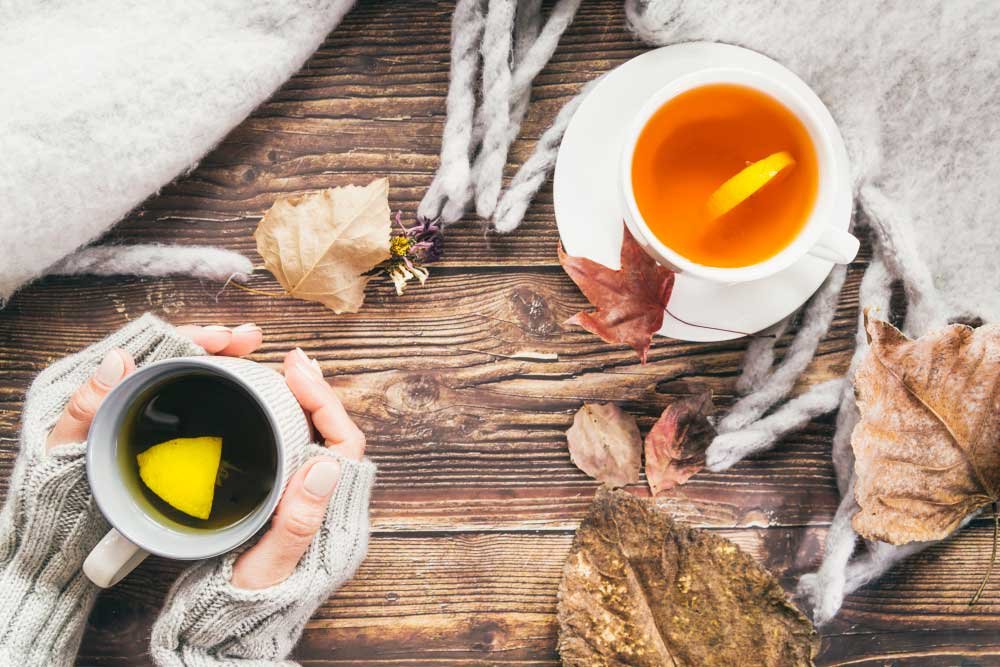
If you struggle to fall asleep at night, you’re not alone. Millions of people experience occasional sleeplessness caused by stress, anxiety, busy schedules, or excessive screen time. While many turn to sleep supplements or medications, herbal tea offers a gentle and natural way to relax before bedtime.
The best herbal teas for sleep contain calming compounds that may help reduce stress, ease tension, and promote a more restful night’s sleep. Whether you enjoy chamomile, lavender, valerian root, or lemon balm tea, creating a bedtime tea ritual can help signal your body that it’s time to wind down.
In this guide, we’ll explore the best herbal teas for sleep, their potential benefits, and how to choose the right tea for your evening routine.
Many people drink herbal tea benefits beverages not only for relaxation but also as part of their overall wellness routine.
According to the Sleep Foundation, maintaining healthy bedtime habits can play an important role in improving sleep quality.
Why Herbal Tea Can Help You Sleep Better
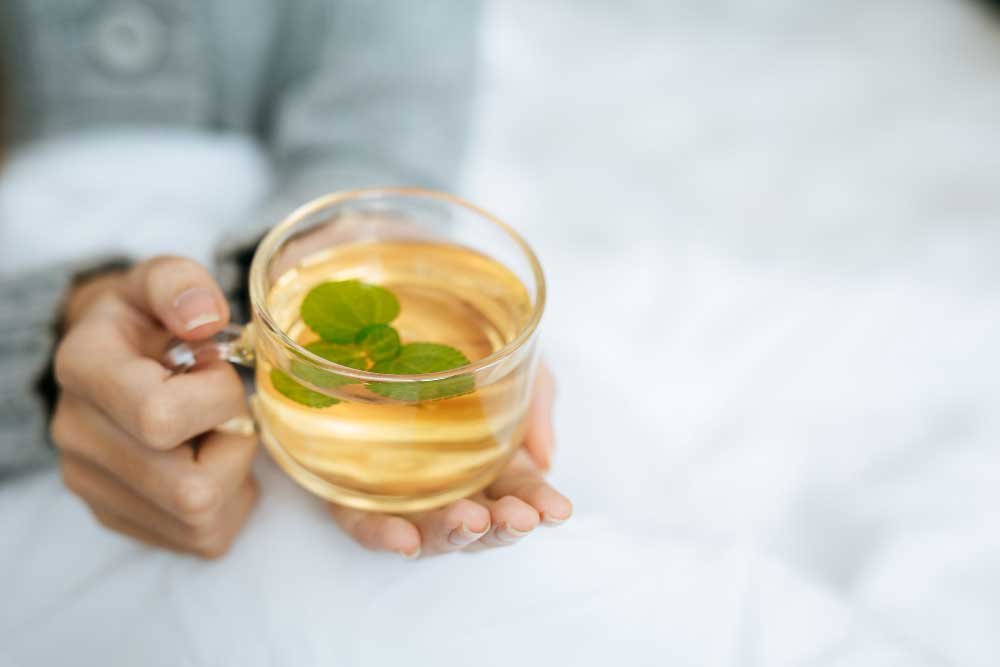
Many people struggle with falling asleep or staying asleep due to stress, anxiety, busy schedules, or poor sleep habits. While herbal tea is not a cure for sleep disorders, it can be a comforting addition to a healthy bedtime routine. Drinking a warm, caffeine-free beverage before bed may help your body relax and prepare for rest naturally. Many herbal teas have been used for centuries in traditional wellness practices and remain popular today among people looking for a gentle way to unwind at the end of the day.
Natural Relaxation Without Medication
One of the biggest reasons people choose herbal tea is that it offers a natural way to relax without relying on sleep medications. Herbs such as chamomile, lavender, valerian root, and lemon balm have long been associated with calmness and relaxation. While results vary from person to person, many tea drinkers find that a warm cup of herbal tea helps them slow down mentally and physically before bedtime.
Supports a Healthy Bedtime Routine
Good sleep often starts with healthy habits. Establishing a consistent bedtime routine can help signal to your body that it is time to rest. Brewing and drinking herbal tea each evening can become a calming ritual that encourages relaxation. Combined with other healthy sleep habits, such as reducing screen time and maintaining a consistent sleep schedule, herbal tea can be a valuable part of your nighttime routine.
The CDC recommends following consistent sleep routines and creating a sleep-friendly environment to support better rest.
Naturally Caffeine-Free
Unlike coffee, energy drinks, black tea, or many green teas, most herbal teas are naturally caffeine-free. This makes them an excellent choice for evening consumption. Avoiding caffeine in the hours before bed can help prevent restlessness and make it easier to fall asleep. Popular sleep-friendly herbal teas such as chamomile, rooibos, peppermint, and Greek mountain tea can be enjoyed without worrying about caffeine interfering with your sleep.
May Help Reduce Stress and Anxiety
Stress and anxiety are among the most common reasons people have trouble sleeping. Certain herbs traditionally used in teas may help create a sense of calm and relaxation. The simple act of sitting down with a warm beverage can also provide a moment to disconnect from daily worries and focus on self-care. Many people find that this quiet time before bed helps them clear their minds and prepare for a more restful night.
Encourages Hydration and Comfort
Staying properly hydrated is important for overall health, and herbal tea can contribute to your daily fluid intake. A warm cup of tea can also provide a comforting sensation that helps your body relax after a long day. During colder months, many people find that herbal tea creates a cozy atmosphere that makes winding down before bed even more enjoyable.
A Simple and Affordable Sleep Habit
Another advantage of herbal tea is its accessibility. Most sleep-supporting herbal teas are inexpensive, widely available, and easy to prepare. Whether you choose a single-ingredient tea such as chamomile or a carefully crafted bedtime blend, adding herbal tea to your evening routine is one of the simplest wellness habits you can adopt.
What Makes a Good Sleep Tea?
Not all herbal teas are equally suited for bedtime. Some teas are specifically formulated to promote relaxation, while others may be better for digestion, energy, or general wellness. When choosing the best herbal tea for sleep, it’s important to look for ingredients and characteristics that support a calm and restful evening routine. The right sleep tea should help you unwind, taste enjoyable, and fit naturally into your nightly habits.
Caffeine-Free Ingredients
The most important feature of a good sleep tea is that it is caffeine-free. Caffeine is a stimulant that can interfere with your ability to fall asleep and may reduce overall sleep quality. While black tea, green tea, matcha, and some specialty teas contain caffeine, most herbal teas do not. Popular bedtime choices such as chamomile, lemon balm, lavender, valerian root, rooibos, and Greek mountain tea can be enjoyed in the evening without the concern of staying awake due to caffeine.
Calming Herbs
Many of the best sleep teas contain herbs traditionally associated with relaxation and stress relief. Chamomile is often considered the gold standard for bedtime tea, while herbs such as lavender, lemon balm, passionflower, and valerian root are frequently included in sleep-support blends. These herbs have been used for generations as part of natural wellness practices and are valued for their soothing qualities.
Pleasant Flavor and Aroma
A sleep tea should be something you genuinely enjoy drinking. If you dislike the taste, you’re less likely to make it part of your evening routine. Some people prefer the light floral notes of chamomile and lavender, while others enjoy the minty freshness of peppermint or the naturally sweet flavor of rooibos. Finding a tea that appeals to your taste buds can make your bedtime ritual more enjoyable and sustainable.
Minimal Added Ingredients
The best herbal teas for sleep are usually simple and natural. Look for blends that contain recognizable herbal ingredients without excessive artificial flavors, sweeteners, preservatives, or unnecessary additives. High-quality herbal teas often rely on the natural flavor and aroma of the herbs themselves rather than added ingredients.
Quality and Freshness Matter
The quality of the herbs used can significantly impact both flavor and overall enjoyment. Reputable tea brands typically use carefully sourced ingredients and proper packaging to preserve freshness. Loose-leaf teas and premium tea bags often provide a richer flavor and aroma compared to lower-quality blends that may contain broken leaves or fillers.
Blended for Better Results
Many of the most popular sleep teas combine several herbs into a single blend. For example, a tea might include chamomile, lavender, lemon balm, and passionflower to create a balanced flavor while offering multiple calming herbs in one cup. These blends are often designed specifically for nighttime use and can be a convenient choice for people seeking a relaxing bedtime beverage.
Fits Your Evening Routine
Ultimately, the best sleep tea is the one you enjoy drinking consistently. Whether you prefer a simple chamomile tea or a more complex herbal blend, choosing a tea that helps you slow down and relax before bed can become an important part of your overall sleep routine. Combined with healthy sleep habits, a good herbal tea may help create a more peaceful transition from a busy day to a restful night.
11 Best Herbal Teas for Sleep
Finding the best herbal tea for sleep often comes down to your personal preferences and the specific benefits you are looking for. Some teas are known for their gentle calming effects, while others have a long history of traditional use for relaxation and bedtime support. Fortunately, there are many caffeine-free herbal options that can help you create a soothing evening routine.
Below are some of the most popular herbal teas for sleep and relaxation. From the classic comfort of chamomile tea to the stronger herbal properties of valerian root and passionflower, each tea offers its own unique flavor profile and wellness benefits. Experimenting with different herbs can help you discover which bedtime tea works best for your lifestyle and sleep habits.
1. Chamomile Tea
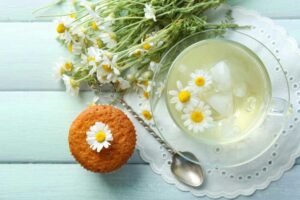
Chamomile Tea is often considered the most popular herbal tea for sleep and relaxation. For centuries, people have enjoyed chamomile tea as part of their evening routine thanks to its mild flavor and naturally calming properties. Its gentle floral aroma and soothing taste make it a favorite choice for those looking to unwind after a long day.
Many bedtime tea blends feature chamomile as their primary ingredient because it pairs well with other relaxing herbs such as lavender, lemon balm, and passionflower. Whether enjoyed on its own or as part of a blend, chamomile remains one of the most trusted herbal teas for promoting a peaceful bedtime ritual.
The NCCIH provides information about chamomile and other herbal products commonly used for wellness and relaxation.
Benefits of Chamomile
- Promotes relaxation and calmness
- May help reduce feelings of stress and anxiety
- Naturally caffeine-free
- Gentle enough for regular evening use
- Pleasant floral flavor that appeals to many tea drinkers
Best Time to Drink
For best results, enjoy a cup of chamomile tea approximately 30 to 60 minutes before bedtime. This allows you to relax and establish a calming transition into your nighttime routine.
Flavor Profile
Chamomile tea has a light, floral taste with subtle hints of sweetness. Its smooth flavor makes it one of the easiest herbal teas for beginners to enjoy.
2. Valerian Root Tea
Valerian Root Tea has been used in traditional herbal practices for hundreds of years and is widely recognized as one of the strongest herbal teas associated with sleep support. Unlike lighter herbal teas, valerian root has a distinctive earthy aroma and robust flavor that some people find takes time to appreciate.
Because of its strong taste, valerian root is often blended with chamomile, lemon balm, peppermint, or lavender to create a more balanced flavor profile. Many nighttime tea formulas include valerian root as a key ingredient due to its long-standing reputation as a relaxation herb.
Benefits of Valerian Root
- Traditionally used to support healthy sleep habits
- May help improve overall sleep quality
- Promotes relaxation before bedtime
- Popular ingredient in many sleep tea blends
- Naturally caffeine-free
Best Time to Drink
Valerian root tea is commonly consumed 30 to 60 minutes before bed as part of a calming evening routine.
Taste Notes
Valerian root has a strong earthy flavor with woody and slightly bitter notes. If you find the taste too intense, consider choosing a blended sleep tea that combines valerian with milder herbs such as chamomile or lavender.
Who Might Like It?
Valerian root tea is often preferred by people looking for a stronger herbal tea option than chamomile or peppermint. Its traditional use for relaxation has made it one of the most popular ingredients in bedtime herbal blends worldwide.
3. Lavender Tea
Lavender Tea is well known for its soothing aroma and calming properties. While many people associate lavender with essential oils and aromatherapy, lavender tea offers a gentle and enjoyable way to experience this popular herb. Its delicate floral flavor and relaxing fragrance make it a favorite choice for evening relaxation.
Lavender tea is often enjoyed before bedtime because it can help create a peaceful atmosphere and encourage a sense of calm after a busy day. Many sleep-support tea blends combine lavender with chamomile, lemon balm, or passionflower to create a well-balanced nighttime beverage.
Benefits of Lavender Tea
- Encourages relaxation and calmness
- May help reduce stress and tension
- Naturally caffeine-free
- Pleasant floral aroma and flavor
- Popular ingredient in bedtime tea blends
Ideal For
Lavender tea is an excellent choice for people whose sleep difficulties may be related to stress, anxiety, or an overactive mind. Its calming scent and gentle taste make it a relaxing addition to any evening routine.
Flavor Profile
Lavender tea has a light floral flavor with slightly sweet and herbal notes. It pairs beautifully with honey, chamomile, and lemon balm.
4. Lemon Balm Tea
Lemon Balm Tea is a refreshing herbal tea that belongs to the mint family. For centuries, lemon balm has been used in traditional herbal practices to promote relaxation and support overall well-being. Its naturally bright citrus aroma makes it one of the most pleasant-tasting herbal teas for evening enjoyment.
Unlike stronger herbs such as valerian root, lemon balm offers a milder flavor and a gentle calming effect. It is frequently included in sleep-support and stress-relief tea blends, often paired with chamomile, lavender, or passionflower.
Benefits of Lemon Balm
- Supports relaxation and calmness
- May help reduce feelings of nervousness
- Naturally caffeine-free
- Refreshing and easy to drink
- Common ingredient in bedtime herbal blends
Flavor Profile
Lemon balm tea has a mild citrus flavor with subtle minty undertones. The taste is refreshing, light, and naturally soothing, making it a popular choice for people who prefer herbal teas that are not overly floral.
Best Time to Drink
Enjoy lemon balm tea 30 to 60 minutes before bed or whenever you need a calming break during a stressful day. Its gentle flavor and relaxing qualities make it suitable for both daytime and evening use.
5. Passionflower Tea
Passionflower Tea is a popular ingredient in many nighttime herbal tea blends thanks to its long history of traditional use for relaxation. This unique herb is often combined with chamomile, lemon balm, valerian root, and lavender to create calming teas designed for evening enjoyment.
Passionflower tea has a mild earthy flavor and is favored by people looking for a gentle herbal option to help them unwind before bed. Its calming reputation has made it one of the most commonly used herbs in sleep-support formulas around the world.
Benefits of Passionflower
- May promote calmness and relaxation
- Traditionally used to support restful evenings
- Naturally caffeine-free
- Often included in sleep tea blends
- Pairs well with chamomile and lemon balm
Best Time to Drink
Passionflower tea is typically enjoyed 30 to 60 minutes before bedtime as part of a relaxing nighttime routine.
Flavor Profile
The flavor is mild and slightly earthy with subtle grassy notes. Many tea drinkers prefer passionflower when blended with other herbs to create a smoother and more balanced taste.
6. Peppermint Tea
Peppermint Tea may not be traditionally known as a sleep tea, but it can still be a valuable addition to your evening routine. One of the most common reasons people struggle with sleep is physical discomfort, particularly digestive issues after dinner. Peppermint tea is widely appreciated for its soothing properties and refreshing taste.
Because peppermint is naturally caffeine-free, it can be enjoyed in the evening without affecting sleep. Its cooling flavor and digestive benefits make it a popular choice for those looking for a comforting herbal beverage before bed.
Benefits of Peppermint Tea
- May help soothe digestion after meals
- Refreshing and naturally cooling flavor
- Naturally caffeine-free
- Easy to find and affordable
- Can support overall bedtime comfort
Best For
Peppermint tea is particularly helpful for people whose sleep is occasionally disrupted by bloating, indigestion, or general digestive discomfort. A warm cup after dinner may help you feel more comfortable before going to bed.
Flavor Profile
Peppermint tea has a crisp, minty flavor with a naturally refreshing finish. Its clean taste makes it one of the most popular herbal teas worldwide.
Why It Belongs on This List
While peppermint does not contain the same calming herbs found in chamomile or valerian root, it supports relaxation in a different way by helping you feel physically comfortable before bedtime. For many people, that added comfort can contribute to a more restful night’s sleep.
7. Holy Basil (Tulsi) Tea
Tulsi Tea, also known as holy basil tea, has been a cornerstone of traditional Ayurvedic wellness practices for centuries. Unlike culinary basil commonly used in cooking, tulsi is valued for its unique herbal properties and rich, aromatic flavor. It is often enjoyed by people looking for a calming beverage to help them relax after a stressful day.
Tulsi is classified as an adaptogenic herb in traditional wellness systems, meaning it has historically been used to help the body adapt to everyday stress. While it is not specifically marketed as a sleep tea, many people enjoy drinking tulsi in the evening as part of a relaxing bedtime routine.
Benefits of Tulsi Tea
- Traditionally used to support stress management
- Rich and complex herbal flavor
- Naturally caffeine-free
- Popular in Ayurvedic traditions
- Can be enjoyed hot or iced
Best Time to Drink
Tulsi tea can be enjoyed throughout the day, but many people prefer drinking it in the evening to help create a calm and relaxing atmosphere before bedtime.
Flavor Profile
Tulsi tea offers a distinctive flavor that combines herbal, slightly spicy, and mildly sweet notes. Its bold taste makes it a favorite among those who enjoy more robust herbal teas.
8. Rooibos Tea
Rooibos Tea is a naturally caffeine-free herbal tea originating from South Africa. Known for its smooth taste and rich red color, rooibos has become increasingly popular worldwide as a relaxing alternative to traditional tea. Because it contains no caffeine, it is an excellent choice for evening enjoyment.
Unlike some stronger herbal teas, rooibos has a naturally sweet and mellow flavor that appeals to a wide range of tea drinkers. It can be enjoyed on its own or blended with ingredients such as vanilla, cinnamon, lavender, or chamomile to create comforting nighttime beverages.
Benefits of Rooibos
- Naturally caffeine-free
- Rich in antioxidants
- Smooth and easy-to-drink flavor
- Suitable for evening consumption
- Popular alternative to black tea
Best Time to Drink
Rooibos tea can be enjoyed any time of day, but its caffeine-free nature makes it particularly well suited for evenings and bedtime routines.
Flavor Profile
Rooibos has a mild, naturally sweet taste with earthy undertones and a smooth finish. Unlike many herbal teas, it lacks bitterness, making it an excellent choice for people who prefer a softer flavor.
Why It’s Great Before Bed
Although rooibos is not traditionally considered a sleep herb like chamomile or valerian root, its caffeine-free nature and comforting flavor make it a relaxing evening beverage. Many tea lovers choose rooibos as a soothing nighttime drink that helps them unwind without stimulating the nervous system.
9. Magnolia Bark Tea
Magnolia Bark Tea is a lesser-known herbal tea that has been used in traditional wellness practices for centuries, particularly in parts of Asia. While it may not be as common as chamomile or lavender, magnolia bark is frequently included in herbal sleep-support supplements and tea blends because of its long-standing association with relaxation and stress relief.
Many nighttime tea formulas combine magnolia bark with calming herbs such as lemon balm, passionflower, or chamomile to create a soothing evening beverage. Its mild earthy taste makes it easy to blend with other ingredients without overpowering the flavor.
Benefits of Magnolia Bark Tea
- Traditionally used to promote relaxation
- Often included in sleep-support tea blends
- Naturally caffeine-free
- Mild earthy flavor
- Popular ingredient in herbal wellness products
Best Time to Drink
Magnolia bark tea is typically enjoyed in the evening, about 30 to 60 minutes before bedtime, as part of a calming nighttime routine.
Flavor Profile
This herbal tea has a mild earthy flavor with subtle woody notes. It is often blended with sweeter or more aromatic herbs to create a balanced and pleasant taste.
Why People Choose It
Many people looking for alternatives to more common sleep teas enjoy magnolia bark because it offers a unique flavor and a long history of traditional use for relaxation and overall well-being.
10. California Poppy Tea
California Poppy Tea is another herb frequently found in bedtime tea blends and nighttime wellness formulas. Despite sharing a name with the poppy family, California poppy is a distinct plant that has traditionally been used in herbal practices to encourage relaxation and calmness.
Because of its gentle nature, California poppy is often combined with chamomile, lemon balm, valerian root, or passionflower in herbal sleep teas. These combinations create balanced blends designed to help people unwind after a busy or stressful day.
Benefits of California Poppy Tea
- Traditionally used for relaxation
- May help calm a busy or racing mind
- Naturally caffeine-free
- Common ingredient in sleep-support blends
- Pairs well with other calming herbs
Best Time to Drink
California poppy tea is most commonly consumed before bed as part of a relaxing evening routine.
Flavor Profile
The flavor is mild, slightly earthy, and subtly herbal. Because it has a gentle taste, it blends well with chamomile and other floral herbs.
Why It Is Popular in Bedtime Blends
Many herbal tea companies include California poppy in their nighttime formulas because it complements other calming herbs and helps create a soothing, balanced tea designed for evening relaxation. Its traditional reputation as a relaxation herb has made it a popular ingredient in sleep-support products for many years.
11. Greek Mountain Tea
Greek Mountain Tea has become increasingly popular among herbal tea enthusiasts looking for a gentle and naturally caffeine-free beverage to enjoy in the evening. Traditionally consumed throughout Greece and other Mediterranean countries, this unique tea is made from plants belonging to the Sideritis family, often referred to as ironwort.
For generations, Greek mountain tea has been enjoyed not only for its pleasant taste but also for its role in traditional Mediterranean wellness practices. Unlike some stronger herbal teas that have intense floral or earthy flavors, Greek mountain tea offers a smooth and approachable taste that appeals to both experienced tea drinkers and beginners.
Benefits of Greek Mountain Tea
- Naturally caffeine-free
- Traditionally enjoyed throughout the Mediterranean region
- Mild and soothing flavor
- Rich in beneficial plant compounds
- Easy to incorporate into a nightly routine
Best Time to Drink
Greek mountain tea can be enjoyed at any time of the day, but many people prefer it in the evening when they want a warm and relaxing beverage without caffeine.
Flavor Profile
This tea has a light herbal flavor with subtle earthy and floral notes. Its smooth finish makes it one of the easiest herbal teas to drink without sweeteners or additional ingredients.
Why People Love It
One of the biggest reasons for its growing popularity is its gentle taste. Unlike valerian root or some stronger herbal remedies, Greek mountain tea is mild, refreshing, and easy to enjoy regularly. For those who find traditional sleep teas too strong or overly floral, it can be an excellent alternative for an evening cup.
If you’re interested in Mediterranean herbal traditions, Greek mountain tea has been enjoyed for centuries throughout Greece and neighboring regions.
Herbal Tea Blends for Sleep
While single-herb teas can be highly enjoyable, many people prefer herbal tea blends specifically designed for relaxation and bedtime. These blends combine several carefully selected herbs to create balanced flavors while incorporating multiple traditional sleep-support ingredients into one convenient cup.
Tea manufacturers often blend floral, citrus, earthy, and minty herbs to create a soothing drinking experience that is both pleasant and relaxing. By combining complementary herbs, these blends offer a more complex flavor profile while allowing tea drinkers to enjoy the benefits associated with several traditional herbs at once.
Common Ingredients Found in Sleep Tea Blends
Many of the most popular bedtime teas contain a combination of the following herbs:
- Chamomile
- Lavender
- Lemon balm
- Passionflower
- Valerian root
- Peppermint
- Tulsi (Holy Basil)
- California poppy
- Magnolia bark
Some blends may also include ingredients such as rooibos, spearmint, fennel, or orange peel to enhance flavor and aroma.
More Complex Flavor
One of the biggest advantages of herbal tea blends is their flavor. While single-herb teas can sometimes taste too strong or one-dimensional, blends create a more balanced and enjoyable drinking experience. Floral herbs such as chamomile and lavender pair beautifully with citrus notes from lemon balm and refreshing mint flavors from peppermint.
Variety of Traditional Herbs
Sleep tea blends allow you to enjoy multiple traditional relaxation herbs in a single cup. Instead of choosing between chamomile, passionflower, or valerian root, you can benefit from a combination of ingredients that have long been used in bedtime herbal formulas.
Convenient and Easy to Use
Most herbal sleep blends come in ready-to-brew tea bags, making them simple to prepare before bed. This convenience makes it easier to maintain a nightly tea ritual, even on busy evenings when you may not have time to prepare loose-leaf tea blends.
Consistent Bedtime Routine
Drinking the same herbal blend each evening can help establish a calming bedtime ritual. Over time, the aroma, flavor, and routine of preparing tea may help signal to your body that it is time to slow down and prepare for sleep.
How to Choose the Best Sleep Tea Blend
When shopping for a bedtime tea blend, look for products that contain high-quality herbal ingredients and minimal artificial additives. Choose blends that are naturally caffeine-free and feature herbs that match your personal preferences. If you enjoy floral flavors, chamomile and lavender may be ideal. If you prefer fresher flavors, blends containing lemon balm or peppermint may be a better fit.
Ultimately, the best herbal tea blend for sleep is one that you enjoy drinking consistently. Comfort, flavor, and routine often play just as important a role as the ingredients themselves when creating healthy sleep habits.
How to Create a Bedtime Tea Ritual
Drinking herbal tea before bed can be more than just enjoying a warm beverage. When combined with healthy sleep habits, it can become a relaxing ritual that helps signal to your body that the day is coming to an end. Establishing a consistent bedtime routine may improve your ability to unwind and prepare for a restful night’s sleep.
The goal is to create a calm environment that encourages relaxation and reduces distractions. By pairing your favorite herbal tea with a few simple habits, you can transform your evening routine into a peaceful experience that supports better sleep.
Turn Off Screens Early
One of the most effective ways to prepare for sleep is to reduce exposure to screens before bedtime. Smartphones, tablets, computers, and televisions emit blue light, which may interfere with your body’s natural sleep-wake cycle. Try turning off screens at least one hour before bed and use that time to enjoy a calming cup of herbal tea instead.
Brew Your Tea Mindfully
Preparing tea can become a relaxing ritual in itself. Rather than rushing through the process, take a few moments to slowly boil water, steep your tea, and enjoy the aroma. This simple act encourages mindfulness and helps shift your focus away from the stresses of the day.
Create a Relaxing Environment
Your surroundings can have a significant impact on your ability to relax. Dim the lights, lower noise levels, and avoid stimulating activities before bed. Reading a book, listening to calming music, or practicing gentle stretching while sipping herbal tea can help create a more peaceful atmosphere.
Stay Consistent
Consistency is one of the most important aspects of healthy sleep habits. Drinking herbal tea at the same time each evening can help reinforce your bedtime routine and create a predictable signal that it’s time to wind down. Over time, this simple habit can become a comforting part of your nightly schedule.
Choose a Tea You Enjoy
The best bedtime tea is one that you genuinely look forward to drinking. Whether you prefer chamomile, lavender, lemon balm, Greek mountain tea, or a blended sleep tea, choosing a flavor you enjoy makes it easier to maintain the habit long-term.
Potential Side Effects and Considerations
Herbal teas are generally considered safe for most healthy adults and can be an enjoyable part of a balanced lifestyle. However, it’s important to remember that herbs can affect people differently, and certain ingredients may not be appropriate for everyone.
Before adding a new herbal tea to your routine, take a few moments to learn about its ingredients and any potential precautions. Being informed can help you enjoy herbal teas safely and confidently.
Check for Allergies
Some individuals may be sensitive or allergic to specific herbs. If you have known plant allergies, carefully review ingredient labels before trying a new herbal tea. If you experience any unusual reactions, discontinue use and seek medical advice.
Consult Your Healthcare Provider During Pregnancy or Nursing
Pregnant or breastfeeding individuals should consult their healthcare provider before consuming certain herbal teas. While some herbs are commonly considered safe, others may not be recommended during pregnancy or while nursing.
Be Aware of Medication Interactions
Certain herbs may interact with medications or medical treatments. If you take prescription medications or have an existing health condition, speak with your healthcare provider before regularly consuming herbal teas that contain ingredients such as valerian root, passionflower, or other medicinal herbs.
Introduce New Herbs Gradually
If you’re trying a new herbal tea for the first time, start with a small amount and monitor how your body responds. Introducing herbs gradually can help you identify any sensitivities while allowing you to discover which teas work best for your personal preferences.
Herbal Tea Is Not a Medical Treatment
While many herbs have a long history of traditional use, herbal teas should not be viewed as a substitute for professional medical care. If you experience chronic insomnia, severe sleep disturbances, or ongoing health concerns, consult a qualified healthcare professional for guidance.
Used responsibly, herbal teas can be a comforting and enjoyable addition to a healthy bedtime routine, helping you relax and unwind naturally at the end of the day.
If you have health concerns or take prescription medications, resources such as Mayo Clinic can provide general guidance on herbal supplement safety.
Frequently Asked Questions About Herbal Teas for Sleep
What is the best herbal tea for sleep?
Chamomile tea is widely considered one of the best herbal teas for sleep due to its long history of traditional use and its gentle, calming flavor. However, other popular options include lavender tea, valerian root tea, passionflower tea, lemon balm tea, and Greek mountain tea. The best choice often depends on your personal taste preferences and wellness goals.
How long before bed should I drink herbal tea?
Most people find that drinking herbal tea about 30 to 60 minutes before bedtime works best. This gives you time to relax, enjoy the tea, and establish a calming transition from daytime activities to sleep. Consuming tea too close to bedtime may increase nighttime bathroom visits for some individuals.
Are herbal sleep teas caffeine-free?
Most herbal teas are naturally caffeine-free because they are made from herbs, flowers, roots, and fruits rather than traditional tea leaves. Popular sleep teas such as chamomile, lavender, lemon balm, peppermint, rooibos, and Greek mountain tea contain no caffeine. However, it’s always a good idea to check the label, especially when purchasing tea blends that may contain green or black tea.
Can I drink sleep tea every night?
Many herbal teas can be enjoyed nightly as part of a healthy bedtime routine. Consistent use may help create a relaxing evening ritual that encourages better sleep habits. If you have medical conditions, take medications, or are pregnant or nursing, consult your healthcare provider before regularly consuming certain herbal teas.
Is chamomile better than lavender tea?
Both chamomile and lavender are excellent choices for evening relaxation. Chamomile is generally the more popular and widely used sleep tea due to its mild flavor and long history of traditional use. Lavender tea, on the other hand, is especially valued for its soothing aroma and ability to help create a calming atmosphere. Many bedtime tea blends combine both herbs to provide the benefits of each.
Can herbal tea cure insomnia?
Herbal tea should not be considered a cure for insomnia or other sleep disorders. However, many people find that herbal teas help them relax and establish healthier bedtime routines. If you experience chronic sleep problems or persistent insomnia, it’s important to consult a healthcare professional for proper evaluation and treatment.
What is the strongest herbal tea for sleep?
Valerian root tea is often considered one of the strongest herbal teas traditionally associated with sleep support. Because of its powerful earthy flavor, it is frequently blended with herbs such as chamomile, lemon balm, and lavender. Some people prefer gentler options like chamomile or passionflower, while others appreciate valerian root’s stronger herbal profile.
Can I mix different herbal teas together?
Yes, many herbal teas can be safely blended together to create unique flavors and relaxation-focused combinations. Popular mixtures include chamomile and lavender, lemon balm and peppermint, or passionflower and valerian root. Many commercial bedtime teas already combine several herbs to provide a balanced taste and a soothing drinking experience.
Final Thoughts
Finding the best herbal teas for sleep often comes down to personal preference and consistency. Some people enjoy the classic floral taste of chamomile tea, while others prefer the soothing aroma of lavender, the refreshing flavor of lemon balm, or the stronger herbal qualities of valerian root. Fortunately, there is no shortage of caffeine-free options available for creating a relaxing bedtime routine.
Whether you choose a single-herb tea or a carefully crafted nighttime blend, herbal tea can be a simple and enjoyable way to unwind at the end of the day. Combined with healthy sleep habits such as limiting screen time, maintaining a consistent bedtime schedule, and creating a calm sleeping environment, a nightly cup of herbal tea may help you prepare for a more restful night.
If you’re just getting started, try a few different teas to discover which flavors and ingredients work best for you. From chamomile and passionflower to rooibos and Greek mountain tea, these comforting herbal beverages offer a natural and enjoyable way to relax, recharge, and end the day on a peaceful note.
Choosing high-quality organic tea brands can also improve your overall tea-drinking experience and help you discover new herbal blends.
Related Articles
- Best Herbal Teas for Anxiety
- Best Herbal Teas for Stress Relief
- Benefits of Greek Mountain Tea
- Best Caffeine-Free Teas for Evening Relaxation
- Herbal Tea Benefits for Overall Wellness
Post Disclaimer
The information contained in this post is for general information purposes only. The information is provided as is and while we endeavour to keep the information up to date and correct, we make no representations or warranties of any kind, express or implied, about the completeness, accuracy, reliability, suitability or availability with respect to the website or the information, products, services, or related graphics contained on the post for any purpose.
These statements have not been evaluated by the FDA and are not intended to diagnose, treat, cure or prevent any disease or health condition. If you have specific healthcare concerns or questions about the products displayed, please contact your licensed healthcare professional for advice or answers.