

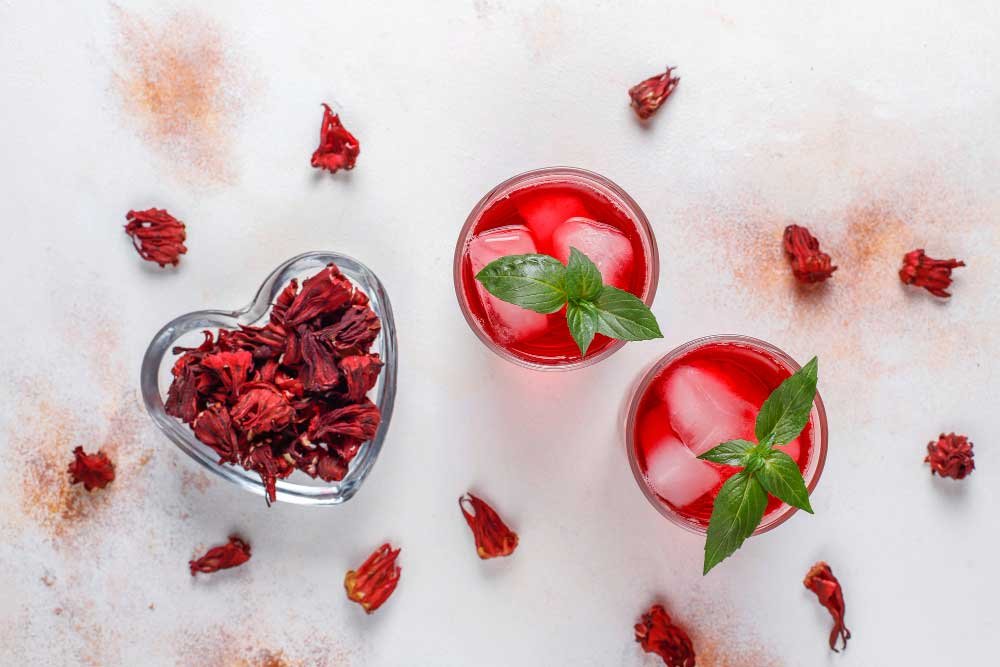
Hibiscus tea benefits have helped make this vibrant herbal beverage one of the most popular caffeine-free teas in the world. Made from the dried calyces of the hibiscus flower, most commonly Hibiscus sabdariffa, hibiscus tea is known for its deep red color, refreshing tart flavor, and impressive antioxidant content.
Enjoyed for centuries across Africa, the Caribbean, Asia, and Latin America, hibiscus tea is valued not only for its unique taste but also for its potential wellness benefits. From supporting heart health and hydration to providing a flavorful alternative to sugary drinks, hibiscus tea continues to attract herbal tea enthusiasts worldwide.
Whether served hot on a cool evening or iced on a warm summer day, hibiscus tea offers a delicious and naturally caffeine-free addition to a healthy lifestyle.
Hibiscus tea is one of the many varieties discussed in our guide to What Is Herbal Tea?
What Is Hibiscus Tea?
Hibiscus tea is a herbal infusion made from the dried calyces of the hibiscus flower, most commonly Hibiscus sabdariffa. Unlike traditional teas made from the Camellia sinensis plant, hibiscus tea is naturally caffeine-free and is classified as an herbal tea. It is known for its striking deep red color, refreshing tart flavor, and long history of use in traditional wellness practices around the world. Hibiscus tea is enjoyed in many countries under different names.
In parts of Africa, the Caribbean, and Latin America, it is often served as a refreshing cold beverage, while in other regions it is commonly consumed hot. Its naturally tangy taste makes it a popular ingredient in herbal tea blends, often paired with fruits, citrus, and other flowers. Today, hibiscus tea is widely appreciated for both its bold flavor and the potential health benefits associated with its naturally occurring plant compounds.
Whether enjoyed as a daily beverage or an occasional treat, hibiscus tea remains one of the most popular herbal teas worldwide.
Understanding the origins of the plant can provide useful context for many of the hibiscus tea benefits discussed throughout this article.
Nutritional Profile of Hibiscus Tea
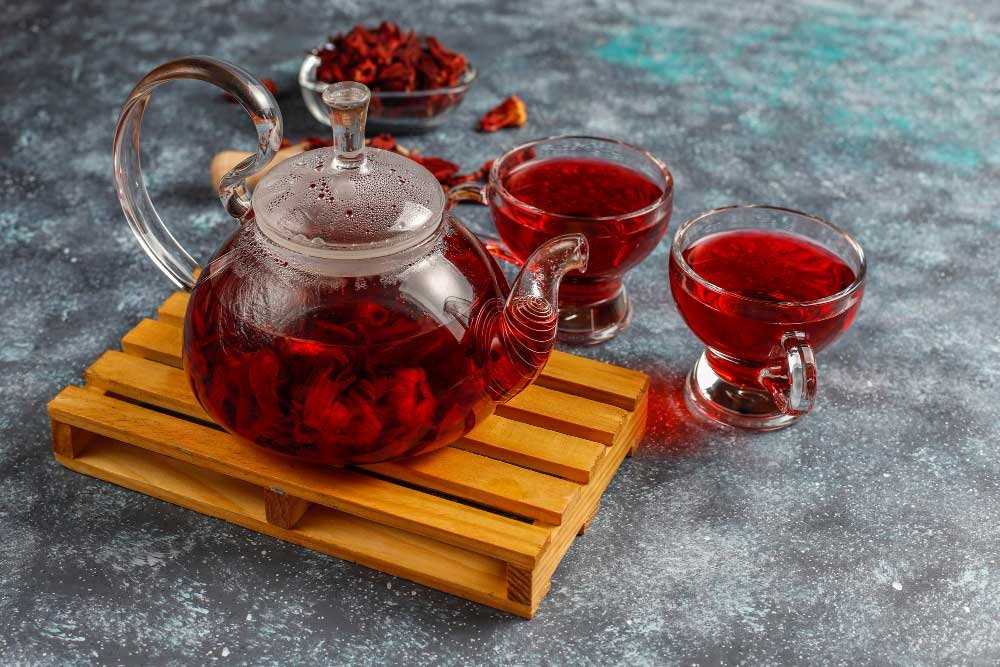
Hibiscus tea contains very few calories when consumed without added sweeteners. While it is not a significant source of vitamins or minerals, it is rich in naturally occurring plant compounds that contribute to its vibrant color and antioxidant properties. Some of the key compounds found in hibiscus tea include:
- Anthocyanins – pigments responsible for the tea’s deep red color
- Polyphenols – plant compounds known for their antioxidant activity
- Flavonoids – naturally occurring compounds found in many fruits and herbs
- Organic acids – including citric and malic acids that contribute to its tart flavor
A typical cup of unsweetened hibiscus tea contains:
- Very few calories
- No caffeine
- No fat
- Minimal carbohydrates
- Trace amounts of naturally occurring nutrients
The tea’s antioxidant-rich profile is one of the primary reasons many people include hibiscus tea as part of a balanced lifestyle and wellness routine.
Many hibiscus tea benefits are attributed to these naturally occurring antioxidants and plant compounds.
Benefits of Hibiscus Tea
Hibiscus tea is more than just a colorful and refreshing beverage. For centuries, it has been enjoyed in various cultures for its unique flavor and traditional wellness uses. Today, hibiscus tea continues to be popular among herbal tea enthusiasts who appreciate its naturally caffeine-free nature and rich antioxidant content. Many of the benefits of hibiscus tea are linked to the plant compounds found within the flower, particularly anthocyanins, polyphenols, and flavonoids.
These naturally occurring compounds have been widely studied for their potential role in supporting overall health and protecting the body from oxidative stress. While hibiscus tea should not be considered a cure or treatment for any medical condition, it can be a flavorful addition to a healthy lifestyle. From supporting heart health and hydration to providing a refreshing alternative to sugary beverages, hibiscus tea offers several reasons to earn a place in your daily tea routine.
Rich in Antioxidants
One of the most widely recognized hibiscus tea benefits is its impressive antioxidant content. Hibiscus flowers contain naturally occurring compounds such as anthocyanins, polyphenols, and flavonoids, which are responsible for the tea’s vibrant red color and many of its wellness properties.
Antioxidants help protect the body’s cells from damage caused by free radicals, unstable molecules that can contribute to oxidative stress. Over time, oxidative stress may affect overall health, making antioxidant-rich foods and beverages an important part of a balanced lifestyle. Potential benefits of the antioxidants found in hibiscus tea include:
- Supporting overall cellular health
- Helping combat oxidative stress
- Promoting healthy aging
- Supporting immune function
If you’re interested in other wellness-focused herbal beverages, explore our guide to Best Herbal Teas for Immune Support.
While hibiscus tea should not replace a nutritious diet rich in fruits and vegetables, it can be a flavorful way to increase your intake of beneficial plant compounds.
For more information about how antioxidants support overall health, see the Harvard Nutrition Source on Antioxidants.
May Help Support Healthy Blood Pressure
Among the many hibiscus tea benefits studied by researchers, its potential role in supporting healthy blood pressure has received significant attention. Several studies have examined how regular consumption of hibiscus tea may help maintain blood pressure levels that are already within a normal range.
Researchers believe that the natural compounds found in hibiscus may help support healthy circulation and blood vessel function. As a result, hibiscus tea is often included as part of a heart-conscious lifestyle that also includes a balanced diet, regular exercise, and other healthy habits. Potential benefits may include:
- Supporting heart health
- Promoting healthy circulation
- Helping maintain normal blood pressure levels
Individuals who take blood pressure medications or have cardiovascular conditions should consult a healthcare professional before making hibiscus tea a regular part of their routine, as the tea may interact with certain medications.
Supports Heart Health
Another notable hibiscus tea benefit is its potential support for overall cardiovascular wellness. The antioxidants naturally present in hibiscus tea may help protect cells from oxidative stress, which plays a role in maintaining a healthy heart and circulatory system. Some research suggests that hibiscus tea may help support healthy cholesterol and triglyceride levels when combined with a balanced diet, regular physical activity, and other heart-healthy lifestyle habits.
While more research is needed, many people choose hibiscus tea as part of their daily wellness routine because of its association with cardiovascular health. As with any dietary change, individuals with existing heart conditions should consult a healthcare professional for personalized advice.
Herbal tea enthusiasts may also enjoy reading about the Benefits of Greek Mountain Tea, another traditional herbal infusion known for its antioxidant content.
May Aid Weight Management
Many people include hibiscus tea in their weight management plans because it is naturally low in calories and contains no caffeine. Replacing high-calorie soft drinks, sweetened beverages, or specialty coffee drinks with unsweetened hibiscus tea can help reduce overall calorie intake. Some studies have also explored the potential effects of hibiscus compounds on metabolism and body composition. Although hibiscus tea is not a weight-loss solution on its own, it may complement healthy eating habits and an active lifestyle. Potential advantages include:
- Naturally caffeine-free
- Low in calories
- Can help increase daily fluid intake
- May support healthy metabolic function
If you’re looking for additional herbal beverages that may complement a healthy lifestyle, see our guide to Best Herbal Teas for Weight Loss.
For best results, hibiscus tea should be viewed as part of a broader wellness strategy that includes balanced nutrition, regular exercise, and healthy lifestyle choices.
Supports Hydration
Staying properly hydrated is essential for overall health, and hibiscus tea can be a flavorful way to help meet your daily fluid needs. Because it is naturally caffeine-free, hibiscus tea can be enjoyed throughout the day without the stimulating effects associated with coffee, black tea, or certain energy drinks. Many people choose hibiscus tea as a refreshing alternative to sugary beverages, especially when served iced during warmer months.
Its naturally tart flavor can make drinking water-rich beverages more enjoyable, helping support healthy hydration habits. Whether consumed hot or cold, hibiscus tea offers a convenient and delicious way to increase fluid intake as part of a balanced lifestyle.
Among the lesser-known hibiscus tea benefits is its ability to support daily hydration while providing a flavorful alternative to plain water.
May Support Liver Health
Another potential hibiscus tea benefit that has attracted scientific interest is its possible role in supporting liver health. Preliminary research has explored how the antioxidants and plant compounds found in hibiscus may help protect cells from oxidative stress, which can affect various organs, including the liver. The liver performs many important functions in the body, including processing nutrients, filtering substances from the bloodstream, and supporting metabolism.
Some early studies suggest that the antioxidant properties of hibiscus may contribute to maintaining normal liver function, although additional research is needed to better understand these effects. While hibiscus tea should not be viewed as a treatment for liver conditions, it may be a beneficial addition to an overall healthy diet that emphasizes antioxidant-rich foods and beverages.
Promotes Digestive Wellness
Many people enjoy hibiscus tea after meals as part of their daily wellness routine. Traditionally, hibiscus has been used in various cultures to support healthy digestion and provide a soothing beverage that can be enjoyed throughout the day. While research on hibiscus and digestive health is still developing, herbal tea drinkers often appreciate its refreshing flavor and gentle nature. Drinking hibiscus tea may also encourage increased fluid intake, which plays an important role in maintaining normal digestive function. Potential digestive benefits may include:
- Supporting normal digestion
- Helping maintain regularity
- Providing a soothing herbal beverage after meals
As with most herbal teas, individual experiences may vary, but hibiscus tea remains a popular choice for those seeking a flavorful caffeine-free drink to enjoy after eating.
Naturally Caffeine-Free
One of the most appealing hibiscus tea benefits is that it contains no caffeine. Unlike coffee, black tea, green tea, or energy drinks, hibiscus tea provides a refreshing beverage option without the stimulating effects of caffeine. This makes hibiscus tea suitable for a wide variety of people, including those who are sensitive to caffeine or those looking to reduce their overall caffeine consumption. Because it can be enjoyed any time of day, many people incorporate hibiscus tea into both their morning and evening routines. Benefits of choosing a caffeine-free beverage like hibiscus tea include:
- Evening relaxation without caffeine-related sleep disturbances
- A suitable option for individuals sensitive to caffeine
- Support for daily hydration goals
- A flavorful alternative to traditional caffeinated beverages
Its naturally tart taste and vibrant color make hibiscus tea an enjoyable addition to any herbal tea collection, whether served hot or over ice.
To discover more beverages that are naturally free from caffeine, visit our Caffeine-Free Teas Guide.
Delicious Hot or Iced
One reason for the growing popularity of hibiscus tea is its versatility. Whether you prefer a warm herbal beverage on a chilly day or a refreshing iced drink during the summer, hibiscus tea can be enjoyed in a variety of ways. Its naturally tart, fruit-like flavor pairs well with many ingredients, allowing tea drinkers to customize their experience based on personal preference. Some people enjoy hibiscus tea on its own, while others combine it with herbs, spices, or fruit to create unique flavor combinations. Popular ways to enjoy hibiscus tea include:
- Served hot during cooler months
- Poured over ice as a refreshing summer beverage
- Mixed with lemon, lime, or orange slices
- Blended with mint, ginger, or rose hips
- Sweetened with honey for a smoother flavor
Its vibrant color and refreshing taste make hibiscus tea a favorite among herbal tea enthusiasts year-round.
How to Prepare Hibiscus Tea
Brewing hibiscus tea is simple and requires only a few ingredients. Adjust the amount of hibiscus and steeping time to achieve your preferred level of tartness and strength.
Ingredients
- 1–2 teaspoons dried hibiscus flowers
- 8 ounces hot water
- Honey or lemon (optional)
Instructions
- Add the dried hibiscus flowers to a tea infuser, teapot, or cup.
- Pour 8 ounces of freshly heated water over the flowers.
- Allow the tea to steep for 5–10 minutes.
- Strain the flowers if necessary.
- Add honey, lemon, or other flavorings if desired.
- Serve hot or chill and pour over ice for a refreshing cold beverage.
For a stronger flavor, use additional hibiscus flowers or increase the steeping time slightly. If you prefer a milder taste, shorten the steeping time or dilute the tea with additional water.
For additional brewing techniques and tips, read our guide on How to Brew Herbal Tea Properly.
Potential Side Effects and Considerations
Hibiscus tea is generally considered safe for most healthy adults when consumed in moderation. However, like many herbal products, it may not be suitable for everyone. Individuals with certain health conditions or those taking specific medications should consult a healthcare professional before adding hibiscus tea to their regular routine.
Because hibiscus tea may influence blood pressure and blood sugar levels, it is important to be aware of potential interactions and individual sensitivities. While adverse effects are uncommon, understanding these considerations can help ensure safe enjoyment of this popular herbal beverage.
People Taking Blood Pressure Medications
Some research suggests that hibiscus tea may help support healthy blood pressure levels. Because of this potential effect, individuals taking medication for high or low blood pressure should speak with their healthcare provider before consuming hibiscus tea regularly.
Those Taking Diabetes Medications
Preliminary studies have explored the relationship between hibiscus and blood sugar management. Individuals using diabetes medications should consult a healthcare professional to determine whether hibiscus tea is appropriate for their specific situation.
Pregnancy and Breastfeeding
Pregnant or breastfeeding women should seek medical advice before regularly consuming hibiscus tea. While occasional consumption may be acceptable for some individuals, healthcare providers can offer personalized recommendations based on individual circumstances.
Allergies and Sensitivities
Although rare, some individuals may experience allergic reactions or sensitivities to hibiscus. Anyone who develops symptoms such as itching, swelling, rash, or digestive discomfort after drinking hibiscus tea should discontinue use and consult a healthcare professional.
General Moderation
As with most herbal teas, moderation is recommended. Enjoying hibiscus tea as part of a balanced diet is generally considered a sensible approach for most healthy adults.
For additional information about herbal supplements and safety considerations, review the NCCIH Herbal Health Resources and the Mayo Clinic Herbal Supplements Guide.
Who Should Drink Hibiscus Tea?
Hibiscus tea can be a great choice for a wide range of tea drinkers thanks to its refreshing flavor, vibrant color, and naturally caffeine-free profile. Whether enjoyed as part of a wellness routine or simply for its taste, hibiscus tea offers an appealing alternative to many traditional beverages.
People Looking for a Caffeine-Free Beverage
Because hibiscus tea contains no caffeine, it is an excellent option for individuals who want to reduce their caffeine intake or avoid stimulants altogether. It can be enjoyed throughout the day, including in the evening.
Those Seeking More Antioxidants in Their Diet
The antioxidant compounds found in hibiscus tea make it a popular choice among people looking to incorporate more plant-based foods and beverages into their daily routine. Drinking hibiscus tea can be a simple way to enjoy additional beneficial plant compounds.
Individuals Focused on Heart Health
Many people interested in supporting cardiovascular wellness choose hibiscus tea as part of a heart-conscious lifestyle. Combined with healthy eating habits and regular exercise, hibiscus tea may complement overall wellness goals.
People Looking for a Refreshing Alternative to Sugary Drinks
Unsweetened hibiscus tea is naturally low in calories and offers a bold, fruity flavor. It can be a satisfying substitute for soda, sweetened juices, and other high-calorie beverages.
Herbal Tea Enthusiasts
Anyone who enjoys exploring different herbal teas may appreciate hibiscus tea’s unique tart flavor and versatility. It can be enjoyed on its own or blended with ingredients such as mint, ginger, rose hips, and citrus fruits. While hibiscus tea is suitable for many people, individuals with specific medical conditions, those taking medications, and pregnant or breastfeeding women should consult a healthcare professional before consuming it regularly.
How to Choose the Best Hibiscus Tea
With many hibiscus tea products available on the market, choosing a high-quality option can help ensure the best flavor and overall experience. While preferences vary, there are several factors worth considering when shopping for hibiscus tea.
Selecting a high-quality product can help you fully enjoy the flavor and potential hibiscus tea benefits offered by this herbal infusion.
Look for Pure Hibiscus Ingredients
Many products contain additional herbs, fruits, or flavorings. If you want the traditional tart taste of hibiscus tea, look for products that list hibiscus flowers as the primary ingredient.
What are the main hibiscus tea benefits?
The most commonly discussed hibiscus tea benefits include antioxidant support, hydration, cardiovascular wellness support, and the fact that hibiscus tea is naturally caffeine-free.
Choose Organic When Possible
Some consumers prefer organic hibiscus tea because it is produced according to specific agricultural standards. Organic options may be especially appealing to those seeking minimally processed herbal products.
Check for Whole Flowers or Large Cut Pieces
Whole or coarsely cut hibiscus flowers often provide a fresher flavor and more vibrant color than finely powdered products.
Consider Tea Bags vs Loose Leaf
Tea bags offer convenience and easy preparation, while loose-leaf hibiscus tea allows greater control over brewing strength and quantity.
Read Customer Reviews
Reviews can provide valuable insights into flavor, freshness, aroma, and overall product quality before making a purchase.
Consumers interested in organic products can learn more about USDA Organic Certification and the standards used for certified organic foods and herbs.
Hibiscus Tea vs Other Herbal Teas
Hibiscus tea offers a unique flavor profile and wellness experience compared to many other popular herbal teas.
Hibiscus Tea vs Chamomile Tea
Chamomile tea is known for its mild floral flavor and relaxing qualities, while hibiscus tea provides a tart, fruity taste and is often associated with antioxidant support and heart health.
Learn more about the Benefits of Chamomile Tea and why it remains one of the world’s most popular herbal beverages.
Hibiscus Tea vs Lavender Tea
Lavender tea features a fragrant floral aroma commonly enjoyed for relaxation. Hibiscus tea delivers a bolder, more tangy flavor and is often served both hot and iced.
You can also explore the Benefits of Lavender Tea if you’re interested in calming floral herbal infusions.
Hibiscus Tea vs Peppermint Tea
Peppermint tea offers a cooling, minty taste that many people enjoy after meals. Hibiscus tea has a brighter, fruit-like flavor and a distinctive deep red color.
Hibiscus Tea vs Greek Mountain Tea
Greek mountain tea has a mild earthy flavor and a long history of traditional use in Mediterranean regions. Hibiscus tea is more tart and vibrant, making it a popular choice for refreshing cold beverages. Ultimately, the best herbal tea depends on personal taste preferences and individual wellness goals. Many herbal tea enthusiasts enjoy rotating between several varieties throughout the week.
Another excellent comparison is the Benefits of Greek Mountain Tea, a traditional Mediterranean herbal beverage enjoyed for centuries.
Frequently Asked Questions About Hibiscus Tea
Does hibiscus tea contain caffeine?
No. Hibiscus tea is naturally caffeine-free, making it suitable for both daytime and evening enjoyment.
Can I drink hibiscus tea every day?
Many people enjoy hibiscus tea as part of their daily routine. However, individuals taking medications or managing specific health conditions should consult a healthcare professional before regular consumption.
For general information about herbal products and their safe use, visit the MedlinePlus Herbal Medicine Resources.
What does hibiscus tea taste like?
Hibiscus tea has a tart, fruity flavor that is often compared to cranberries. Some people add honey or sweeteners to balance its natural tanginess.
Can hibiscus tea be served cold?
Yes. Hibiscus tea is one of the most popular herbal teas for iced beverages and is commonly served chilled in many parts of the world.
Is hibiscus tea good for hydration?
Because it is caffeine-free and primarily water-based, hibiscus tea can contribute to daily fluid intake and support hydration.
Final Thoughts
Hibiscus tea benefits continue to attract herbal tea enthusiasts around the world. From antioxidant support and hydration to its refreshing flavor and caffeine-free nature, hibiscus tea remains one of the most popular herbal beverages available today.
The many hibiscus tea benefits, including its antioxidant content, caffeine-free nature, and potential support for heart health and hydration, have contributed to its growing popularity among herbal tea enthusiasts.
Whether you enjoy it hot during colder months or iced on a warm summer day, hibiscus tea offers a delicious way to diversify your herbal tea collection. As part of a balanced lifestyle, it can be a satisfying beverage choice for those seeking both flavor and potential wellness benefits.
Post Disclaimer
The information contained in this post is for general information purposes only. The information is provided as is and while we endeavour to keep the information up to date and correct, we make no representations or warranties of any kind, express or implied, about the completeness, accuracy, reliability, suitability or availability with respect to the website or the information, products, services, or related graphics contained on the post for any purpose.
These statements have not been evaluated by the FDA and are not intended to diagnose, treat, cure or prevent any disease or health condition. If you have specific healthcare concerns or questions about the products displayed, please contact your licensed healthcare professional for advice or answers.