

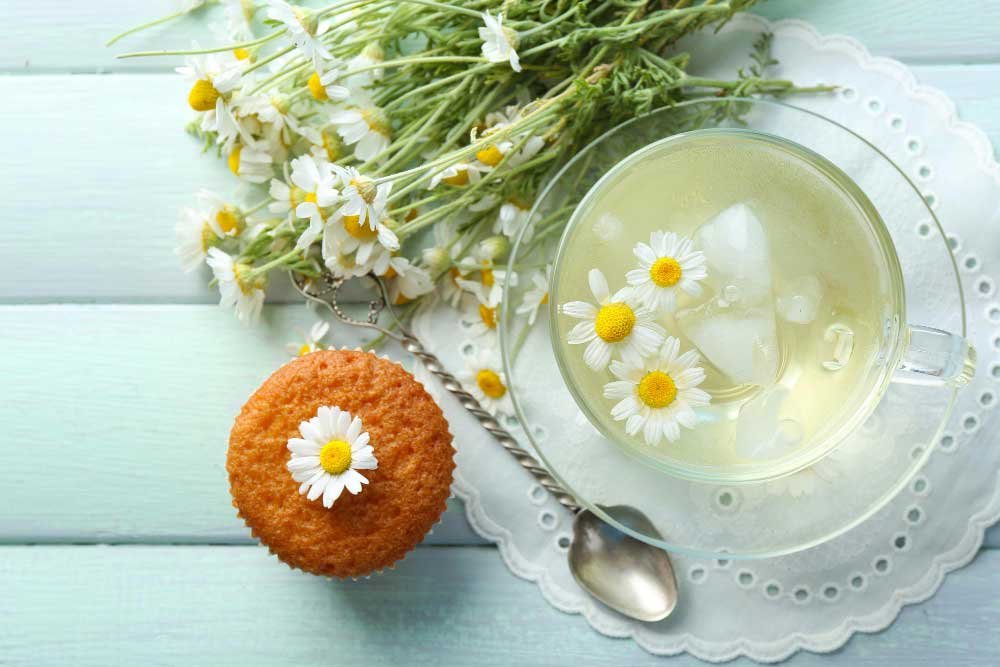
Chamomile tea is one of the most popular herbal teas worldwide and is well known for its gentle flavor and calming properties. Made from dried chamomile flowers, this naturally caffeine-free herbal infusion has been enjoyed for centuries across many cultures.
Today, chamomile tea remains a favorite choice for those seeking a soothing beverage, and many people research chamomile tea benefits to learn why this herbal infusion has remained popular for centuries. In this guide, we’ll explore the most notable benefits of chamomile tea, including its role in relaxation, sleep support, digestive comfort, and overall wellness.
Chamomile tea is one of the most popular herbal teas worldwide. If you’re new to herbal infusions, our guide on What Is Herbal Tea? explains how herbal teas differ from traditional teas and why they are enjoyed around the world.
What Is Chamomile Tea?
Chamomile tea is a herbal infusion made by steeping the dried flowers of the chamomile plant in hot water. It has been enjoyed for centuries and is widely appreciated for its light floral flavor, soothing aroma, and naturally caffeine-free nature. The two most common types used for tea are German chamomile (Matricaria chamomilla) and Roman chamomile (Chamaemelum nobile).
Both varieties are known for their delicate apple-like fragrance and have a long history of traditional use in herbal wellness practices. Today, chamomile tea remains one of the most popular herbal teas worldwide, enjoyed both for its pleasant taste and its association with relaxation and comfort.
Understanding what chamomile tea is can help you better appreciate the many chamomile tea benefits discussed throughout this guide.
Chamomile Tea Nutritional Profile
Chamomile tea contains very few calories and is naturally free of caffeine, making it a popular choice for those seeking a light and soothing beverage. While chamomile tea is not a significant source of vitamins or minerals, it contains various naturally occurring plant compounds, including flavonoids and antioxidants, which contribute to its popularity in traditional herbal wellness practices.
A typical cup of plain chamomile tea contains:
- Calories: 0–2
- Fat: 0 grams
- Protein: 0 grams
- Carbohydrates: 0 grams
- Sugar: 0 grams
- Caffeine: 0 milligrams
Chamomile flowers contain beneficial compounds such as apigenin, luteolin, quercetin, and other flavonoids. These naturally occurring antioxidants are the subject of ongoing scientific research and are commonly found in many fruits, vegetables, and herbal plants.
Because chamomile tea is naturally caffeine-free and low in calories, it can be enjoyed at any time of day, including in the evening as part of a relaxing bedtime routine.
Although it contains very few calories, many chamomile tea benefits are attributed to the naturally occurring plant compounds found in the flowers.
Benefits of Chamomile Tea
The growing popularity of chamomile tea benefits has made this herbal beverage a staple in homes around the world. Chamomile tea has been enjoyed for generations as one of the world’s most popular herbal beverages. While many people appreciate its mild floral flavor and soothing aroma, chamomile tea is also widely recognized for its traditional use in promoting relaxation and overall wellness. Thanks to its naturally occurring plant compounds and caffeine-free nature, it remains a favorite choice for those seeking a comforting drink throughout the day.
Research on chamomile continues to grow, and many of its traditional uses are being explored by scientists and organizations such as the National Center for Complementary and Integrative Health provide information about herbal products and their traditional uses.. From supporting restful evenings to providing a gentle herbal option for digestive comfort, chamomile tea offers several potential benefits that contribute to its enduring popularity.
May Promote Relaxation and Calmness
One of the most recognized chamomile tea benefits is its long-standing association with relaxation and calmness. For centuries, people have enjoyed chamomile tea as a comforting beverage to help them slow down and unwind after a busy day. Its gentle floral aroma and smooth taste create a soothing experience that many find enjoyable during moments of rest and self-care.
Whether enjoyed while reading, meditating, or simply taking a break from daily responsibilities, chamomile tea can help create a peaceful atmosphere. Its naturally caffeine-free nature also makes it an excellent alternative to coffee or traditional tea later in the day.
If relaxation is your goal, you may also enjoy reading our guides to the Best Herbal Teas for Relaxation and Best Herbal Teas for Stress Relief.
May Support Better Sleep
Chamomile tea is perhaps best known for its popularity as a bedtime beverage. Many people include a cup of chamomile tea in their nightly routine because it is commonly associated with relaxation before sleep. Its calming aroma and warm, comforting qualities make it a favorite choice for winding down in the evening.
Because chamomile tea contains no caffeine, it can be enjoyed before bed without the stimulating effects found in coffee, black tea, or energy drinks. When paired with healthy sleep habits, a warm cup of chamomile tea can become part of a relaxing nighttime ritual that helps prepare the mind and body for rest.
Chamomile is frequently included in bedtime tea blends. For more options, see our guide to the Best Bedtime Teas.
Naturally Caffeine-Free
One of the reasons chamomile tea remains so popular is that it is naturally caffeine-free. Unlike coffee, black tea, green tea, and many energy drinks, chamomile tea contains no caffeine, making it suitable for any time of day. People who are sensitive to caffeine or looking to reduce their intake often choose chamomile tea as a flavorful alternative.
Because it does not contain stimulants, chamomile tea can be enjoyed in the evening without the concerns that caffeinated beverages may interfere with sleep. Its mild taste and soothing qualities make it a comforting choice for relaxing after dinner or before bedtime.
May Support Digestive Comfort
Chamomile tea has a long history of traditional use as a gentle herbal beverage for digestive wellness. Many people enjoy a cup after meals because of its soothing nature and light floral flavor. It is commonly consumed as part of a balanced lifestyle and is often included in herbal tea blends designed for digestive comfort.
The warm liquid itself can also be comforting after a large meal, while the pleasant aroma contributes to an overall relaxing experience. Although research continues, chamomile tea remains one of the most widely used herbal teas for those seeking a calming and enjoyable beverage after eating.
Rich in Natural Plant Compounds
Chamomile flowers naturally contain a variety of plant compounds, including flavonoids and antioxidants. These substances are found in many fruits, vegetables, herbs, and other plant-based foods and have attracted significant scientific interest for their potential role in supporting overall wellness.
Among the most studied compounds in chamomile are apigenin, quercetin, and luteolin. While chamomile tea is not intended to replace a balanced diet rich in fruits and vegetables, it can be a pleasant way to enjoy additional naturally occurring plant compounds as part of a healthy lifestyle.
These naturally occurring compounds are one reason many people are interested in the potential chamomile tea benefits associated with regular consumption.
Supports a Relaxing Self-Care Routine
Enjoying a cup of chamomile tea can be more than simply drinking a beverage—it can become part of a relaxing self-care ritual. The process of boiling water, steeping the flowers, and taking a few moments to slow down can help create a sense of calm in an otherwise busy day.
Many people enjoy chamomile tea while reading a book, practicing mindfulness, journaling, meditating, or simply relaxing at home. Its delicate floral flavor and soothing aroma make it an excellent companion for quiet moments, helping to create a peaceful and comforting atmosphere.
Easy to Prepare
Another benefit of chamomile tea is how simple it is to prepare at home. Whether you use loose dried chamomile flowers or convenient tea bags, brewing a fresh cup requires only a few minutes. This ease of preparation makes chamomile tea an accessible herbal beverage for both beginners and experienced tea drinkers.
To brew chamomile tea:
- Bring fresh water to a boil.
- Add 1–2 teaspoons of dried chamomile flowers or one tea bag to a cup.
- Pour the hot water over the chamomile.
- Steep for 5–10 minutes, depending on your preferred strength.
- Strain if using loose flowers and enjoy.
For extra flavor and variety, many people like to enhance their chamomile tea with natural additions such as:
- Honey for sweetness
- Lemon for a bright citrus note
- Lavender for a more floral aroma
- Mint for a refreshing twist
Experimenting with different ingredients can help you create a personalized cup of chamomile tea that suits your taste preferences.
If you’d like to learn more brewing techniques, see our complete guide on How to Brew Herbal Tea Properly.
How to Choose the Best Chamomile Tea
With so many chamomile tea products available, choosing the right one can feel overwhelming. The best chamomile tea ultimately depends on your personal preferences, whether you prioritize flavor, convenience, organic ingredients, or overall quality. Understanding a few key differences can help you find a chamomile tea that suits your needs.
Selecting a high-quality product can help you enjoy the flavor and potential chamomile tea benefits that make this herbal tea so popular.
Consider Loose-Leaf vs. Tea Bags
Chamomile tea is commonly sold in both loose-leaf and tea bag forms. Loose chamomile flowers often provide a fresher aroma and fuller flavor because the flowers remain largely intact. Tea bags, on the other hand, offer convenience and are ideal for quick preparation at home, work, or while traveling.
Look for Organic Chamomile
Many tea drinkers prefer organic chamomile tea because it is produced according to organic farming standards. Organic options may appeal to those looking to avoid synthetic pesticides and fertilizers. Always look for reputable certifications and trusted brands when shopping for organic herbal teas.
Check the Ingredient List
Pure chamomile tea should contain chamomile flowers as the primary ingredient. Some products include additional herbs such as lavender, lemon balm, peppermint, or valerian root to create unique flavor profiles or bedtime blends. Reviewing the ingredient list can help ensure you choose a tea that matches your taste preferences.
Understand the Different Chamomile Varieties
German chamomile is the most commonly used variety for herbal tea and is known for its sweet, floral flavor. Roman chamomile typically has a slightly more bitter and earthy taste. Both varieties are widely enjoyed, and trying each can help you discover your favorite.
Choose Fresh, High-Quality Tea
Fresh chamomile flowers should have a pleasant floral aroma and a vibrant appearance. Whether purchasing loose-leaf tea or tea bags, choose products from reputable companies that package and store their teas properly to help preserve freshness and flavor.
By paying attention to quality, ingredients, and preparation style, you can find a chamomile tea that delivers the flavor and experience you’re looking for, making each cup even more enjoyable.
Different Types of Chamomile Tea
Although many people simply refer to it as chamomile tea, there are actually several different varieties and blends available. Each type offers its own unique flavor profile, aroma, and brewing experience. Understanding these differences can help you choose the chamomile tea that best matches your preferences.
Regardless of the variety you choose, many of the commonly discussed chamomile tea benefits are associated with both German and Roman chamomile.
German Chamomile
German chamomile (Matricaria chamomilla) is the most commonly used variety for herbal tea. It is known for its sweet, delicate floral flavor and pleasant apple-like aroma. Most commercial chamomile tea products found in grocery stores and online are made from German chamomile because of its mild taste and widespread popularity.
Roman Chamomile
Roman chamomile (Chamaemelum nobile) is another well-known variety used in herbal infusions. Compared to German chamomile, Roman chamomile typically has a slightly stronger, earthier, and more bitter flavor. While it is less commonly used in tea products, many herbal tea enthusiasts appreciate its distinctive character and traditional heritage.
Chamomile Tea Blends
Chamomile is frequently combined with other herbs to create flavorful herbal tea blends. These combinations can enhance both the taste and aroma of the tea while offering a more complex drinking experience. Popular ingredients commonly paired with chamomile include:
- Lavender
- Lemon balm
- Peppermint
- Spearmint
- Valerian root
- Passionflower
- Rose petals
Many bedtime and relaxation teas feature chamomile as a primary ingredient because its gentle floral notes blend well with a variety of complementary herbs.
Lavender is one of the most popular herbs combined with chamomile. Learn more in our article on the Benefits of Lavender Tea.
Organic Chamomile Tea
Organic chamomile tea is produced using chamomile flowers grown according to certified organic farming standards. Many consumers choose organic options to support environmentally conscious farming practices and reduce exposure to synthetic agricultural chemicals. Organic chamomile tea is available in both loose-leaf and tea bag formats.
Whether you prefer traditional German chamomile, the distinctive taste of Roman chamomile, or a carefully crafted herbal blend, there is a chamomile tea option to suit nearly every taste preference.
Chamomile Tea vs Other Herbal Teas
Chamomile tea is one of the most popular herbal teas available, but it is far from the only option. Herbal tea enthusiasts can choose from a wide variety of caffeine-free infusions, each offering its own unique flavor, aroma, and traditional uses. Comparing chamomile tea with other popular herbal teas can help you find the best choice for your personal preferences and wellness routine.
| Herbal Tea | Flavor Profile | Naturally Caffeine-Free | Commonly Enjoyed For |
|---|---|---|---|
| Chamomile Tea | Mild, floral, slightly sweet | Yes | Relaxation and bedtime routines |
| Peppermint Tea | Cool, minty, refreshing | Yes | Digestive comfort and refreshment |
| Lavender Tea | Floral and aromatic | Yes | Relaxation and calming rituals |
| Hibiscus Tea | Tart and fruity | Yes | Refreshing flavor and iced tea |
| Greek Mountain Tea | Earthy and herbal | Yes | Traditional herbal wellness |
| Lemon Balm Tea | Light citrus and herbal | Yes | Relaxing evening beverages |
Chamomile Tea vs Peppermint Tea
Chamomile tea has a soft floral flavor, while peppermint tea offers a bold and refreshing mint taste. Many people choose chamomile for relaxation and evening enjoyment, whereas peppermint tea is often enjoyed after meals because of its refreshing qualities.
Chamomile Tea vs Lavender Tea
Both chamomile and lavender teas are popular choices for relaxation. Chamomile typically has a milder flavor, while lavender provides a stronger floral aroma. Many herbal tea blends combine the two herbs to create a soothing and fragrant beverage.
Chamomile Tea vs Hibiscus Tea
Hibiscus tea is known for its bright red color and tart, cranberry-like flavor, making it very different from the gentle sweetness of chamomile tea. While chamomile is often associated with bedtime routines, hibiscus tea is commonly enjoyed as a refreshing hot or iced drink throughout the day.
If you enjoy fruity herbal teas, you may also be interested in learning about the Benefits of Hibiscus Tea.
Chamomile Tea vs Greek Mountain Tea
Greek mountain tea has an earthy, slightly citrusy flavor and a long history of traditional use in Mediterranean cultures. Chamomile tea tends to be softer and more floral, while Greek mountain tea offers a more robust herbal taste that many tea lovers enjoy.
Ultimately, the best herbal tea depends on your personal taste preferences and the experience you are looking for. Many tea drinkers keep several varieties on hand and enjoy different herbal teas throughout the day for variety and flavor.
For another traditional caffeine-free herbal infusion, explore the Benefits of Greek Mountain Tea.
Who Should Drink Chamomile Tea?
Chamomile tea is a versatile herbal beverage enjoyed by people of all ages around the world. Its mild floral flavor, soothing aroma, and naturally caffeine-free nature make it an appealing choice for many different lifestyles. Whether you are new to herbal teas or a longtime tea enthusiast, chamomile tea can be a pleasant addition to your daily routine.
People seeking a caffeine-free beverage often explore chamomile tea benefits as part of their wellness and relaxation routines.
People Looking for a Caffeine-Free Beverage
Those who want to reduce their caffeine intake often turn to chamomile tea as an alternative to coffee, black tea, and energy drinks. Because it contains no caffeine, it can be enjoyed throughout the day without the stimulating effects associated with caffeinated beverages.
Evening Tea Drinkers
Chamomile tea is especially popular among people who enjoy a warm beverage in the evening. Its comforting aroma and relaxing qualities make it a common choice for winding down after work, reading before bed, or creating a peaceful nighttime routine.
Herbal Tea Beginners
If you are new to herbal teas, chamomile tea is often an excellent place to start. Its gentle flavor is generally easy to enjoy, and it can be consumed on its own or blended with other herbs such as lavender, peppermint, or lemon balm.
People Seeking Relaxing Daily Rituals
Many individuals incorporate chamomile tea into mindfulness practices, self-care routines, journaling sessions, or quiet moments of reflection. The simple act of preparing and sipping a warm cup of tea can help create a sense of comfort and relaxation during a busy day.
Tea Lovers Who Enjoy Floral Flavors
Chamomile tea offers a delicate floral taste with subtle apple-like notes that many tea drinkers find enjoyable. Those who appreciate lighter herbal infusions often choose chamomile as a refreshing alternative to stronger herbal teas.
While chamomile tea is suitable for many people, individuals with allergies to plants in the daisy family, those who are pregnant or breastfeeding, or anyone taking certain medications should consult a healthcare professional before regularly consuming chamomile tea.
Potential Side Effects and Precautions
Chamomile tea is generally considered safe for most healthy adults when consumed in moderation. Its long history of traditional use and widespread popularity have made it one of the most commonly enjoyed herbal teas worldwide. However, as with any herbal product, there are a few precautions to keep in mind.
Individuals who are allergic to plants in the daisy family, including ragweed, chrysanthemums, marigolds, and daisies, should exercise caution when drinking chamomile tea, as allergic reactions may occur in sensitive individuals.
For additional information about herbal supplements and potential interactions, visit MedlinePlus.
Pregnant or breastfeeding individuals should consult a qualified healthcare professional before regularly consuming chamomile tea or other herbal products. Additionally, chamomile may interact with certain medications, including blood-thinning medications and some sedatives.
If you have an existing medical condition, take prescription medications, or have concerns about incorporating herbal teas into your routine, it is always best to seek personalized advice from your healthcare provider before making significant dietary changes.
Individuals with existing medical conditions should consult a healthcare professional. Resources such as Mayo Clinic provide general wellness information that may be helpful.
Frequently Asked Questions About Chamomile Tea Benefits
Can I drink chamomile tea every day?
Many people enjoy chamomile tea daily as part of a balanced lifestyle. Because it is naturally caffeine-free, it can be consumed throughout the day or in the evening. However, if you have allergies, medical conditions, are pregnant, or take prescription medications, it is advisable to consult your healthcare provider before making chamomile tea a regular part of your routine.
When is the best time to drink chamomile tea?
Chamomile tea can be enjoyed at any time of day, but it is most commonly consumed in the evening or before bedtime. Its soothing aroma and relaxing qualities make it a popular choice for winding down after a busy day and establishing a calming nighttime routine.
Does chamomile tea contain caffeine?
No. Chamomile tea is naturally caffeine-free because it is made from the flowers of the chamomile plant rather than from traditional tea leaves. This makes it an excellent alternative to coffee, black tea, and green tea for those looking to avoid caffeine.
What are the main chamomile tea benefits?
The most commonly discussed chamomile tea benefits include relaxation support, bedtime routines, digestive comfort, and the presence of naturally occurring antioxidants.
Can chamomile tea be served cold?
Yes. Chamomile tea can be enjoyed both hot and cold. After brewing, simply allow the tea to cool and refrigerate it before serving over ice. You can also add lemon, honey, or fresh mint to create a refreshing iced herbal beverage.
Final Thoughts
The many chamomile tea benefits, combined with its delicate floral flavor and naturally caffeine-free nature, have helped make it one of the world’s most popular herbal teas. For centuries, people have enjoyed this gentle herbal infusion as part of their daily routines, whether for relaxation, comfort, or simply as an enjoyable beverage.
From supporting a calming evening ritual to providing a pleasant source of naturally occurring plant compounds, the many chamomile tea benefits continue to make it a favorite among herbal tea enthusiasts. Whether you prefer it hot before bed or served iced on a warm day, chamomile tea offers a simple and comforting way to enjoy one of nature’s most beloved herbal beverages.
Post Disclaimer
The information contained in this post is for general information purposes only. The information is provided as is and while we endeavour to keep the information up to date and correct, we make no representations or warranties of any kind, express or implied, about the completeness, accuracy, reliability, suitability or availability with respect to the website or the information, products, services, or related graphics contained on the post for any purpose.
These statements have not been evaluated by the FDA and are not intended to diagnose, treat, cure or prevent any disease or health condition. If you have specific healthcare concerns or questions about the products displayed, please contact your licensed healthcare professional for advice or answers.