

Herbal Tea vs Green Tea is a common comparison among tea lovers seeking healthier beverage choices. While both drinks are often enjoyed for their flavor and wellness appeal, they are fundamentally different. Green tea is made from the leaves of the Camellia sinensis plant and naturally contains caffeine, while herbal tea is typically made from herbs, flowers, fruits, roots, or spices and is usually caffeine-free.
Understanding the differences between herbal tea and green tea can help you choose the option that best matches your taste preferences, caffeine needs, and daily routine. In this guide, we’ll compare herbal tea vs green tea, including their origins, flavors, caffeine content, potential benefits, and the best times to enjoy each beverage.
What Is Green Tea?
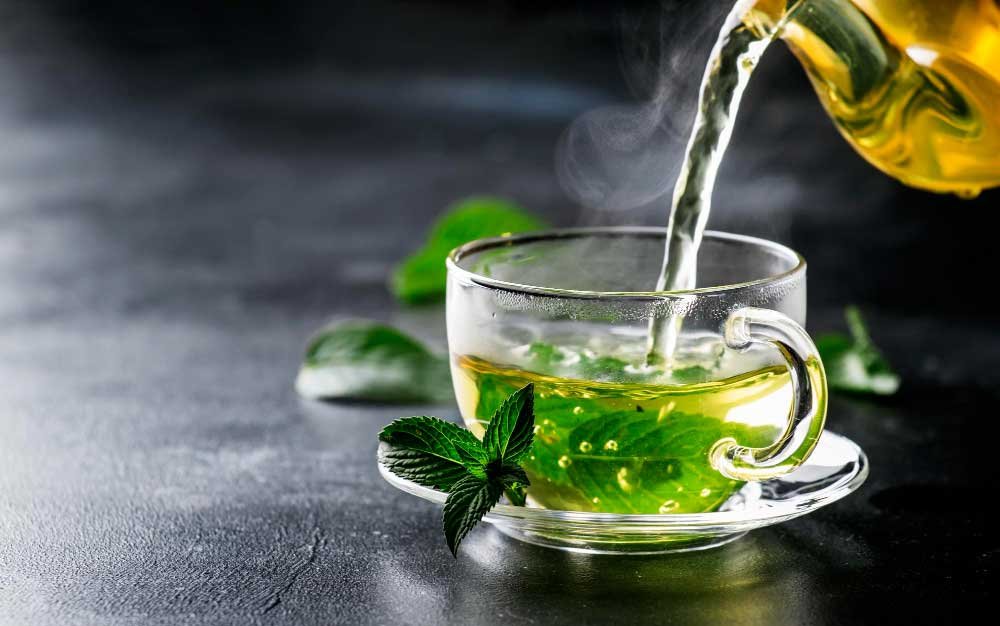
Green tea is a traditional tea made from the leaves of the Camellia sinensis plant. Unlike black tea and some other tea varieties, the leaves are minimally processed, which helps preserve their natural green color and many of their beneficial plant compounds.
One of the key differences in the herbal tea vs green tea comparison is that green tea is considered a true tea because it comes directly from the tea plant. Herbal teas, by contrast, are made from herbs, flowers, fruits, roots, and spices rather than tea leaves.
Green tea is known for its:
- Mild, grassy flavor
- Natural caffeine content
- Rich antioxidant profile
- Long history in Asian cultures
- Popular use as a daily wellness beverage
Many people enjoy green tea as a morning or afternoon drink because it provides a moderate amount of caffeine while offering a lighter taste than black tea.
What Is Herbal Tea?

Herbal tea is a beverage made by steeping herbs, flowers, fruits, roots, seeds, or spices in hot water. Unlike green tea and other traditional teas, herbal tea does not come from the Camellia sinensis plant. Because of this, herbal teas are technically herbal infusions rather than true teas.
One of the most important distinctions in the herbal tea vs green tea comparison is that most herbal teas are naturally caffeine-free. This makes them a popular choice for people looking for a soothing beverage that can be enjoyed throughout the day, including in the evening.
Herbal tea comes in a wide variety of flavors and styles, ranging from floral and fruity to minty, earthy, and spicy. Different herbs are often blended together to create unique flavor combinations and enjoyable drinking experiences.
Popular types of herbal tea include:
- Chamomile Tea
- Lavender Tea
- Hibiscus Tea
- Greek Mountain Tea
- Peppermint Tea
- Ginger Tea
- Lemon Balm Tea
- Rooibos Tea
Many people enjoy herbal tea as part of their daily wellness routine because it offers a flavorful alternative to sugary drinks and caffeinated beverages. Some herbal teas are chosen for relaxation, while others are enjoyed for digestion, hydration, or simply their pleasant taste.
If you’re new to herbal infusions, our guide on What Is Herbal Tea? provides a deeper look at the different types of herbal teas and how they are made.
With countless herbs and blends available, herbal tea offers one of the most diverse and versatile beverage categories in the world.
Herbal Tea vs Green Tea: Key Differences
Although both beverages are commonly referred to as tea, there are several important differences between herbal tea and green tea. Understanding these distinctions can help you choose the option that best fits your lifestyle, taste preferences, and caffeine needs.
The biggest difference in the herbal tea vs green tea comparison is their source. Green tea comes from the Camellia sinensis plant, while herbal tea is made from herbs, flowers, fruits, roots, seeds, and spices.
| Feature | Herbal Tea | Green Tea |
|---|---|---|
| Source | Herbs, flowers, fruits, roots, and spices | Camellia sinensis leaves |
| Caffeine Content | Usually caffeine-free | Contains natural caffeine |
| Flavor Profile | Floral, fruity, minty, spicy, or earthy | Grassy, vegetal, and slightly earthy |
| Variety | Hundreds of herbal combinations | Several green tea varieties |
| Best Time to Drink | Any time, especially evenings | Morning or afternoon |
| Traditional Uses | Varies by herb | Long history as a daily wellness beverage |
Green tea is often chosen by those who enjoy a mild caffeine boost and the distinctive taste of traditional tea. It is commonly consumed in the morning or early afternoon as an alternative to coffee.
Herbal tea, on the other hand, appeals to people looking for naturally caffeine-free beverages and a wider range of flavors. From the floral notes of chamomile and lavender to the tart taste of hibiscus and the refreshing flavor of peppermint, herbal teas offer something for nearly every palate.
If avoiding caffeine is important to you, our Caffeine-Free Teas Guide provides a detailed overview of popular caffeine-free options.
Ultimately, neither beverage is necessarily better. The right choice depends on whether you prefer the antioxidant-rich profile and gentle caffeine content of green tea or the diverse flavors and naturally caffeine-free nature of herbal tea.
Caffeine Content: Herbal Tea vs Green Tea
One of the most significant differences in the herbal tea vs green tea comparison is caffeine content. For many tea drinkers, caffeine levels play a major role in deciding which beverage to enjoy throughout the day.
Green tea naturally contains caffeine because it is made from the leaves of the Camellia sinensis plant. The exact amount can vary depending on the variety, growing conditions, and brewing method, but a typical cup of green tea generally contains between 20 and 45 milligrams of caffeine.
Herbal tea, by contrast, is usually naturally caffeine-free because it is made from herbs, flowers, fruits, roots, and spices rather than tea leaves. This makes herbal tea a popular choice for people who are sensitive to caffeine or looking for a relaxing beverage later in the day.
| Beverage | Typical Caffeine Content (8 oz Cup) |
|---|---|
| Herbal Tea | 0 mg (most varieties) |
| Green Tea | 20–45 mg |
| Black Tea | 40–70 mg |
| Coffee | 80–120 mg |
People who enjoy a gentle energy boost often choose green tea as a morning or afternoon beverage. Its caffeine content is generally lower than coffee, making it a popular option for those seeking a milder alternative.
On the other hand, herbal teas are frequently enjoyed in the evening because they typically do not interfere with sleep. Popular nighttime choices include chamomile, lavender, lemon balm, and passionflower teas.
If you’re specifically looking for caffeine-free beverages, our Caffeine-Free Teas Guide explores many of the best herbal tea options available.
For those seeking a relaxing evening drink, you may also enjoy our guides to Best Bedtime Teas and Best Herbal Teas for Relaxation.
When deciding between herbal tea and green tea, consider your caffeine tolerance, daily routine, and the time of day you plan to enjoy your tea. Green tea may be ideal for daytime energy, while herbal tea is often preferred for relaxation and evening enjoyment.
Health Benefits of Green Tea
Green tea has been consumed for centuries and is one of the most extensively studied beverages in the world. Made from the leaves of the Camellia sinensis plant, green tea contains a variety of naturally occurring compounds that contribute to its popularity among health-conscious consumers.
One of the key differences in the herbal tea vs green tea comparison is the type of beneficial plant compounds each beverage contains. Green tea is particularly known for its high concentration of antioxidants called catechins, which have been widely researched for their potential role in overall wellness.
Some of the most commonly discussed health benefits of green tea include:
- Rich source of antioxidants
- Contains naturally occurring caffeine for gentle energy
- Popular choice for supporting a healthy lifestyle
- Often included in weight-management routines
- Widely consumed as part of balanced dietary habits
- May help support overall wellness when combined with healthy lifestyle choices
Green tea is also valued for providing a moderate amount of caffeine compared to coffee. Many people enjoy it as a morning or afternoon beverage because it can offer a gentle energy boost without the stronger effects often associated with coffee.
For a detailed overview of green tea research and nutritional information, see the Green Tea and Health resource from Harvard T.H. Chan School of Public Health.
For those seeking a caffeine-free option, herbal teas may be a better choice. You can learn more in our Caffeine-Free Teas Guide.
While green tea offers its own unique advantages, many herbal teas are also appreciated for their individual properties and flavors. Popular options include Benefits of Chamomile Tea, Benefits of Lavender Tea, and Benefits of Hibiscus Tea.
Health Benefits of Herbal Tea
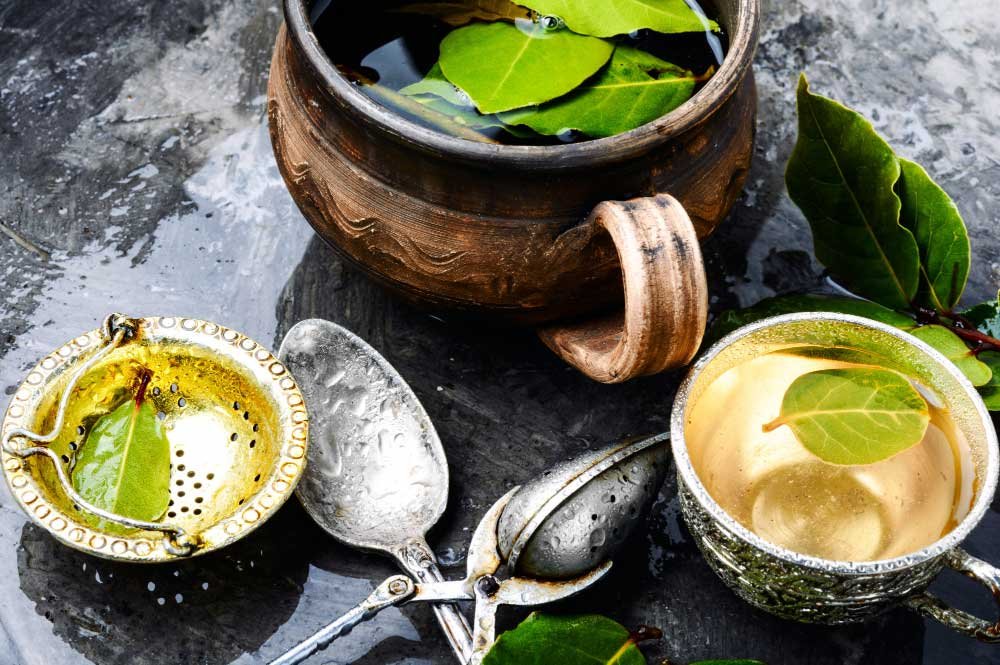
Herbal tea has been enjoyed for centuries in cultures around the world. Unlike green tea, which comes from the Camellia sinensis plant, herbal teas are made from a wide variety of herbs, flowers, fruits, roots, seeds, and spices. This diversity gives herbal tea an extensive range of flavors, aromas, and traditional uses.
When comparing herbal tea vs green tea, one of the biggest advantages of herbal tea is the variety of options available. Each herb offers its own unique characteristics, allowing tea drinkers to choose blends that match their personal preferences and wellness goals.
Some of the most popular reasons people enjoy herbal tea include:
- Naturally caffeine-free in most varieties
- Available in countless flavor combinations
- Suitable for morning, afternoon, or evening enjoyment
- Often incorporated into relaxation and self-care routines
- Can be enjoyed hot or iced throughout the year
- Provides a flavorful alternative to sugary beverages
Many herbal teas are associated with specific traditional uses. For example, chamomile tea is widely enjoyed as an evening beverage, peppermint tea is popular after meals, and hibiscus tea is appreciated for its refreshing tart flavor.
Popular herbal teas include:
- Chamomile Tea
- Lavender Tea
- Hibiscus Tea
- Greek Mountain Tea
- Peppermint Tea
- Ginger Tea
- Lemon Balm Tea
- Rooibos Tea
Because most herbal teas do not contain caffeine, they are often chosen by people looking for a relaxing beverage later in the day. Many tea drinkers explore the Best Herbal Teas for Relaxation or the Best Bedtime Teas when searching for evening options.
With so many varieties available, herbal tea offers a versatile and enjoyable way to explore different flavors while supporting a healthy lifestyle.
Flavor Comparison: Herbal Tea vs Green Tea
When comparing herbal tea vs green tea, flavor is often one of the most noticeable differences. While green tea has a distinctive taste that comes from the Camellia sinensis plant, herbal teas can offer an almost endless variety of flavor profiles depending on the ingredients used.
Green tea is typically described as:
- Grassy
- Vegetal
- Fresh and clean
- Slightly earthy
- Sometimes mildly sweet or nutty
The flavor of green tea can vary significantly between varieties. Some green teas have a delicate and subtle taste, while others may have stronger vegetal notes or a more robust character.
Herbal tea, on the other hand, offers much greater diversity because it can be made from countless herbs, flowers, fruits, roots, and spices. Each ingredient contributes its own unique flavor and aroma.
Common herbal tea flavor profiles include:
- Floral: Chamomile, lavender, rose
- Minty: Peppermint, spearmint
- Fruity: Hibiscus, berry blends, citrus blends
- Spicy: Ginger, cinnamon, turmeric
- Earthy: Rooibos, valerian root
- Citrusy: Lemon balm, lemongrass
For example, Chamomile Tea offers a delicate floral flavor with subtle apple-like notes, while Hibiscus Tea is known for its bright tartness and vibrant color. Lavender Tea provides a fragrant floral experience, while Greek Mountain Tea delivers a mild earthy flavor with herbal undertones.
Many tea drinkers prefer green tea for its traditional tea taste and mild caffeine content. Others choose herbal tea because of the wide range of available flavors and naturally caffeine-free nature.
Ultimately, the best choice comes down to personal preference. If you enjoy grassy and vegetal notes, green tea may be ideal. If you prefer floral, fruity, minty, or spicy flavors, herbal tea offers nearly unlimited options to explore.
Antioxidants in Herbal Tea and Green Tea
Both herbal tea and green tea contain naturally occurring plant compounds that contribute to their popularity among health-conscious consumers. However, the types and amounts of antioxidants can vary significantly depending on the ingredients used.
Green tea is particularly well known for its high concentration of catechins, a group of antioxidants that have been extensively studied. Because green tea undergoes minimal processing, many of these beneficial compounds remain present in the finished beverage.
Some of the most notable antioxidant compounds found in green tea include:
- Catechins
- Epigallocatechin gallate (EGCG)
- Flavonoids
- Polyphenols
These compounds are one reason green tea is frequently included in discussions about healthy lifestyle habits and wellness-focused diets.
In the herbal tea vs green tea comparison, herbal teas also contain antioxidants, but the specific compounds depend entirely on the herbs, flowers, fruits, or spices used in the blend.
Examples include:
- Hibiscus Tea: Rich in anthocyanins and polyphenols
- Chamomile Tea: Contains flavonoids and other plant compounds
- Lavender Tea: Provides naturally occurring antioxidant compounds
- Greek Mountain Tea: Known for its naturally occurring polyphenols and flavonoids
- Peppermint Tea: Contains various beneficial plant compounds
While green tea is often recognized for its concentrated catechin content, many herbal teas also provide valuable plant compounds that contribute to their unique characteristics. The overall antioxidant profile depends on the specific tea selected and how it is prepared.
Rather than choosing one over the other, many tea enthusiasts enjoy both herbal tea and green tea as part of a varied and balanced beverage routine.
The NIH Tea Fact Sheet provides additional information about tea compounds, antioxidants, and current scientific research.
When Is the Best Time to Drink Herbal Tea or Green Tea?
The best time to drink herbal tea or green tea depends largely on your caffeine preferences, daily schedule, and personal wellness goals. Since these beverages differ significantly in caffeine content, many people choose specific times of day to enjoy each one.
Green tea is often considered an ideal morning or afternoon beverage because it contains natural caffeine. Many tea drinkers enjoy green tea as a gentler alternative to coffee, providing a mild energy boost without the higher caffeine levels commonly found in coffee drinks.
Best times to drink green tea:
- In the morning as an alternative to coffee
- During the afternoon for a gentle energy boost
- Before physical activity or exercise
- As part of a daily wellness routine
Because green tea contains caffeine, some individuals may prefer to avoid drinking it late in the evening, especially if they are sensitive to stimulants.
Herbal tea, on the other hand, is usually naturally caffeine-free, making it suitable for almost any time of day. Many people enjoy herbal teas in the evening as part of a relaxing bedtime routine.
Best times to drink herbal tea:
- Morning for hydration without caffeine
- Afternoon as a refreshing beverage
- After meals
- Evening for relaxation
- Before bedtime
Certain herbal teas are especially popular for evening enjoyment. For example, chamomile, lavender, lemon balm, and passionflower teas are frequently included in nighttime tea blends.
If you’re looking for relaxing evening options, explore our guides to Best Bedtime Teas and Best Herbal Teas for Relaxation.
Tea drinkers seeking caffeine-free choices may also find our Caffeine-Free Teas Guide helpful when selecting beverages for later in the day.
Ultimately, there is no single best time to drink herbal tea or green tea. Green tea is often preferred for daytime energy and focus, while herbal tea is commonly chosen for relaxation, hydration, and evening enjoyment.
Herbal Tea vs Green Tea for Weight Management
Many people comparing herbal tea vs green tea are interested in how these beverages fit into a healthy weight-management plan. While neither herbal tea nor green tea is a magic solution for weight loss, both can be valuable additions to a balanced diet and active lifestyle.
Green tea is often associated with weight-management discussions because it contains natural caffeine and antioxidants known as catechins. These compounds have made green tea one of the most widely studied beverages in nutrition and wellness research.
Potential reasons people choose green tea for weight management include:
- Contains natural caffeine
- Provides a flavorful alternative to sugary drinks
- Can be enjoyed hot or iced
- Often included in healthy lifestyle routines
- Contains naturally occurring antioxidants
Herbal tea can also support weight-management goals, particularly when used as a replacement for high-calorie beverages such as soda, sweetened coffee drinks, and sugary juices.
Benefits of herbal tea for weight management may include:
- Naturally low in calories when consumed without added sugar
- Usually caffeine-free
- Can help increase daily fluid intake
- Offers a wide variety of flavors that may help reduce cravings for sweet beverages
- Provides a satisfying beverage option between meals
Popular herbal teas often included in wellness-focused routines include:
- Hibiscus Tea
- Peppermint Tea
- Ginger Tea
- Green Rooibos Tea
- Lemon Balm Tea
For readers specifically interested in herbal teas commonly associated with healthy lifestyle goals, visit our guide to Best Herbal Teas for Weight Loss.
Ultimately, the herbal tea vs green tea decision for weight management comes down to personal preference. Green tea may appeal to those seeking a mild caffeine boost, while herbal tea offers countless caffeine-free options that can help replace higher-calorie beverages throughout the day.
The most effective approach is choosing beverages you genuinely enjoy and incorporating them into a long-term healthy eating and exercise routine.
Herbal Tea vs Green Tea for Relaxation
When it comes to relaxation, herbal tea is often the preferred choice over green tea. The primary reason is caffeine content. Most herbal teas are naturally caffeine-free, while green tea contains caffeine, which may not be ideal for individuals seeking a calming evening beverage.
Many people include herbal tea as part of their daily self-care routine, especially during the evening hours when they want to unwind and prepare for a restful night. The soothing aromas and diverse flavors found in herbal teas can contribute to a comforting tea-drinking experience.
Popular herbal teas commonly associated with relaxation include:
- Chamomile Tea
- Lavender Tea
- Lemon Balm Tea
- Passionflower Tea
- Valerian Root Tea
- Tulsi (Holy Basil) Tea
Many relaxation tea blends combine several herbs to create balanced flavor profiles and enjoyable bedtime beverages. Floral, citrus, minty, and earthy ingredients are often blended together to provide a soothing cup of tea.
Green tea can also be relaxing for some individuals, particularly those who enjoy the ritual of tea preparation and appreciate its mild flavor. However, because it contains natural caffeine, green tea is generally better suited for the morning or afternoon rather than immediately before bedtime.
Comparison for relaxation:
| Feature | Herbal Tea | Green Tea |
|---|---|---|
| Caffeine Content | Usually caffeine-free | Contains caffeine |
| Evening Friendly | Excellent | May not be ideal for everyone |
| Common Relaxation Blends | Widely available | Less common |
| Bedtime Use | Very popular | Generally less preferred |
If relaxation is your primary goal, you may enjoy exploring our guides to Best Herbal Teas for Relaxation and Best Bedtime Teas.
For many tea drinkers, herbal tea offers the greatest variety of caffeine-free options for unwinding after a busy day. Whether you prefer the floral notes of chamomile and lavender or the gentle citrus flavor of lemon balm, herbal teas provide countless choices for creating a relaxing tea ritual.
Who Should Choose Herbal Tea?
Herbal tea is an excellent choice for people who want a naturally caffeine-free beverage and enjoy exploring a wide range of flavors. With varieties made from flowers, herbs, fruits, roots, and spices, herbal teas offer something for nearly every taste preference.
In the herbal tea vs green tea comparison, herbal tea is often the better option for individuals who are sensitive to caffeine or who prefer a beverage that can be enjoyed throughout the day without affecting sleep.
Herbal tea may be a good choice for:
- People looking for caffeine-free beverages
- Those who enjoy floral, fruity, minty, or spicy flavors
- Individuals seeking evening or bedtime tea options
- Tea drinkers who want a wide variety of choices
- People looking to replace sugary beverages with a low-calorie alternative
- Anyone interested in exploring traditional herbal infusions
Popular herbal tea options include:
- Chamomile Tea
- Lavender Tea
- Hibiscus Tea
- Greek Mountain Tea
- Peppermint Tea
- Ginger Tea
- Lemon Balm Tea
- Rooibos Tea
Many people choose herbal tea as part of their evening routine because most varieties do not contain caffeine. Those interested in nighttime beverages may find our guides to Best Bedtime Teas and Best Herbal Teas for Relaxation helpful.
If avoiding caffeine is your primary goal, you may also want to explore our Caffeine-Free Teas Guide.
Ultimately, herbal tea is ideal for anyone seeking flavor variety, caffeine-free enjoyment, and a versatile beverage that can be enjoyed at virtually any time of day.
Before regularly consuming herbal products, especially if you take medications, review the Mayo Clinic Herbal Supplements Guide for safety information.
Who Should Choose Green Tea?
Green tea is an excellent choice for people who enjoy the taste of traditional tea and want a beverage that provides a moderate amount of natural caffeine. Made from the leaves of the Camellia sinensis plant, green tea offers a unique flavor profile and has been enjoyed for centuries in many cultures around the world.
In the herbal tea vs green tea comparison, green tea is often preferred by individuals who want a gentle energy boost without consuming as much caffeine as coffee.
Green tea may be a good choice for:
- People who enjoy traditional tea flavors
- Those looking for a moderate source of caffeine
- Individuals seeking a coffee alternative
- Tea drinkers who appreciate grassy and vegetal flavor notes
- People interested in antioxidant-rich beverages
- Anyone looking for a refreshing morning or afternoon drink
Many people choose green tea as part of their daily routine because it offers a balance between flavor, caffeine, and convenience. It can be enjoyed hot or iced and pairs well with meals or snacks throughout the day.
Green tea is particularly popular among individuals who:
- Need a gentle morning pick-me-up
- Prefer lower caffeine levels than coffee
- Enjoy wellness-focused beverage choices
- Want a simple and versatile daily tea
Because green tea contains caffeine, it is generally best consumed earlier in the day. Those who are sensitive to caffeine may prefer herbal tea during the evening hours.
If you’re looking for caffeine-free alternatives, our Caffeine-Free Teas Guide explores many herbal options. Readers interested in relaxation-focused teas may also enjoy Best Herbal Teas for Relaxation and Best Bedtime Teas.
Ultimately, green tea is ideal for tea lovers who appreciate traditional tea flavors, moderate caffeine content, and a beverage that fits naturally into an active daily lifestyle.
Frequently Asked Questions
Is herbal tea healthier than green tea?
Both herbal tea and green tea can be part of a healthy lifestyle. Green tea is known for its catechin antioxidants and natural caffeine content, while herbal teas offer a wide variety of flavors and plant compounds depending on the ingredients used. The healthier choice depends on your personal preferences and wellness goals.
Does herbal tea contain caffeine?
Most herbal teas are naturally caffeine-free because they are made from herbs, flowers, fruits, roots, and spices rather than tea leaves. However, some herbal blends may include ingredients such as green tea, black tea, or yerba mate, which contain caffeine. Always check the ingredient label before purchasing.
Can I drink herbal tea and green tea every day?
Many people enjoy both herbal tea and green tea as part of their daily routine. Green tea is often consumed in the morning or afternoon, while herbal teas are commonly enjoyed throughout the day and in the evening.
Which tea has more antioxidants?
Green tea is widely recognized for its high concentration of catechins and other antioxidants. Herbal teas also contain antioxidants, but the types and amounts vary depending on the herbs used. For example, hibiscus, chamomile, lavender, and Greek mountain tea all contain naturally occurring plant compounds.
Is green tea better for weight management than herbal tea?
Green tea is often included in weight-management discussions because it contains caffeine and catechins. However, herbal tea can also support healthy lifestyle goals by providing a flavorful, low-calorie alternative to sugary beverages. Both can fit into a balanced diet and active lifestyle.
Can I drink green tea before bed?
Because green tea contains caffeine, some people may find that drinking it late in the evening affects their sleep. If you’re looking for a nighttime beverage, caffeine-free herbal teas are often a better choice.
What are the best herbal teas for relaxation?
Some of the most popular herbal teas for relaxation include chamomile, lavender, lemon balm, passionflower, and valerian root.
What is the best herbal tea for bedtime?
Chamomile tea is one of the most popular bedtime teas, but many people also enjoy lavender, lemon balm, passionflower, and herbal sleep blends.
Final Thoughts
When comparing herbal tea vs green tea, there is no single winner. Both beverages offer unique characteristics that appeal to different tastes, lifestyles, and wellness goals. Green tea provides a traditional tea experience with natural caffeine and a rich antioxidant profile, while herbal tea offers incredible flavor variety and is usually caffeine-free.
For those seeking a gentle energy boost and the distinctive taste of true tea, green tea can be an excellent daily choice. On the other hand, people looking for relaxing evening beverages, diverse flavors, or caffeine-free options may find herbal tea to be the better fit.
Many tea enthusiasts enjoy both beverages as part of a balanced routine—green tea during the morning or afternoon and herbal tea later in the day. This approach allows you to experience the unique benefits and flavors that each type of tea has to offer.
Whether you prefer the grassy notes of green tea or the floral, fruity, minty, and herbal flavors found in herbal infusions, both can be enjoyable additions to a healthy lifestyle. The best choice ultimately comes down to your personal preferences, caffeine needs, and when you plan to enjoy your tea.
Post Disclaimer
The information contained in this post is for general information purposes only. The information is provided as is and while we endeavour to keep the information up to date and correct, we make no representations or warranties of any kind, express or implied, about the completeness, accuracy, reliability, suitability or availability with respect to the website or the information, products, services, or related graphics contained on the post for any purpose.
These statements have not been evaluated by the FDA and are not intended to diagnose, treat, cure or prevent any disease or health condition. If you have specific healthcare concerns or questions about the products displayed, please contact your licensed healthcare professional for advice or answers.