

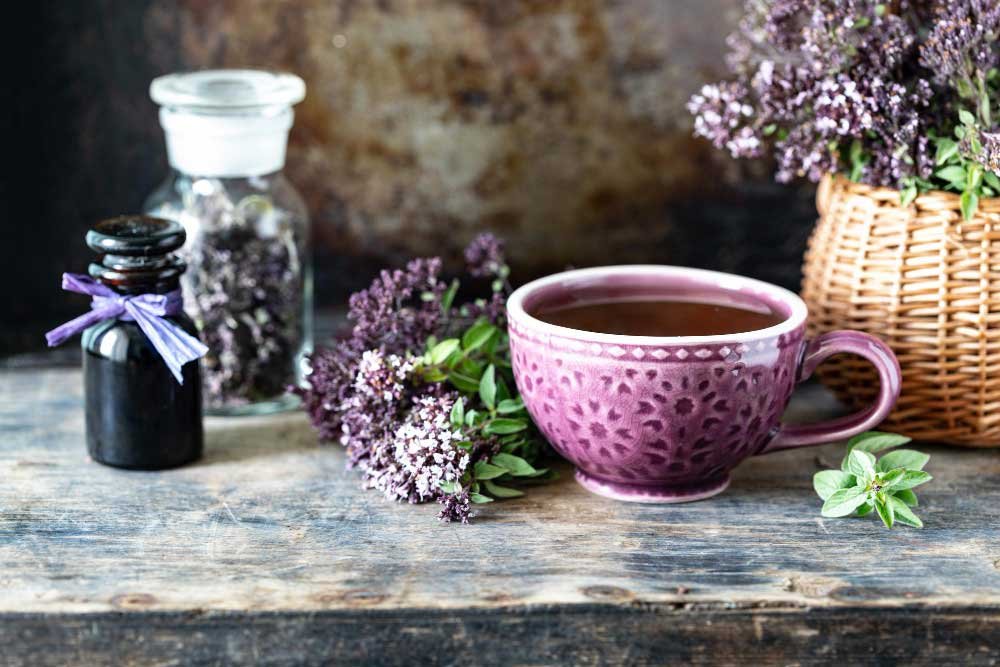
Lavender tea is a fragrant herbal infusion made from the flowers of the lavender plant. Many people are interested in lavender tea benefits because of the herb’s calming aroma, pleasant flavor, and long history of traditional use. Prized for its soothing aroma, delicate floral flavor, and long history of traditional use, lavender tea has become a popular choice among herbal tea enthusiasts. Naturally caffeine-free, it is often enjoyed as part of a relaxing evening routine or a peaceful afternoon break.
For centuries, lavender has been used in herbal traditions for its calming properties and pleasant scent. Today, many people drink lavender tea to unwind after a busy day, support relaxation, and enjoy a comforting wellness ritual. Whether served hot or iced, lavender tea offers a gentle and aromatic way to incorporate herbal beverages into your daily routine.
What Is Lavender Tea?
Lavender tea is a herbal infusion made from the dried flowers of the lavender plant (Lavandula angustifolia). Known for its distinctive floral aroma and light, slightly sweet flavor, lavender tea has been enjoyed for centuries in various cultures as a soothing and caffeine-free beverage.
Unlike traditional teas made from the Camellia sinensis plant, lavender tea is classified as an herbal tea or tisane. It contains no caffeine, making it a popular choice for people seeking a calming drink in the evening or a relaxing alternative to coffee and black tea.
Lavender is perhaps best known for its use in aromatherapy, but its flowers are also commonly used in herbal blends, culinary recipes, and wellness beverages. Many herbal tea enthusiasts enjoy lavender tea on its own, while others prefer blends that combine lavender with chamomile, lemon balm, peppermint, or rose petals for a more complex flavor profile.
Today, lavender tea remains one of the most popular floral herbal teas, valued for its pleasant taste, relaxing aroma, and role in many daily wellness routines.
The growing popularity of lavender tea benefits has made this floral herbal infusion a favorite among tea enthusiasts seeking a naturally caffeine-free beverage.
What Are the Lavender Tea Benefits?
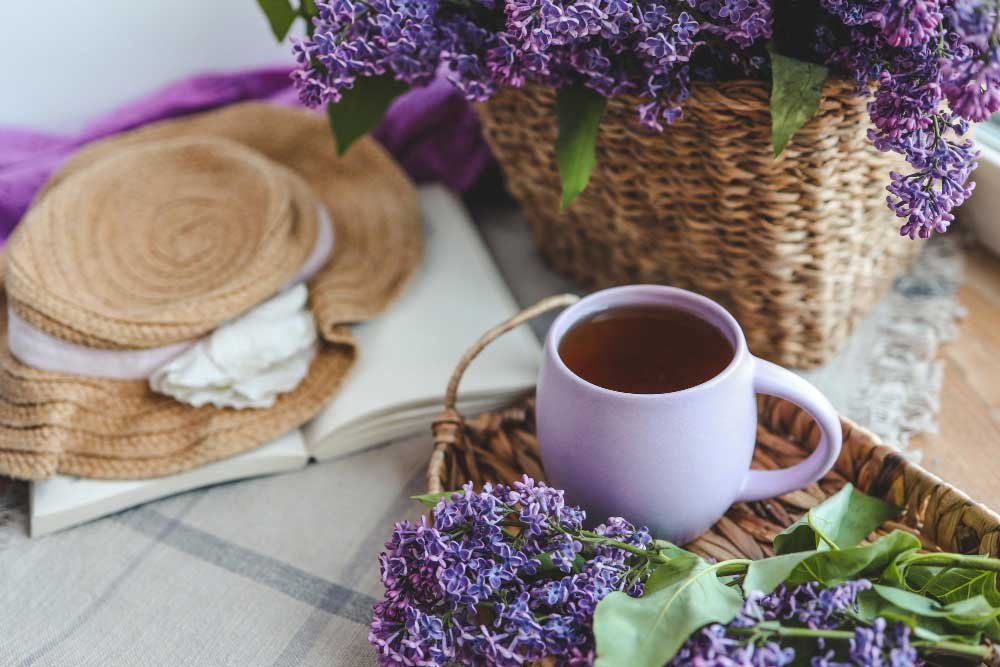
Lavender tea is widely appreciated for its soothing aroma, delicate floral flavor, and naturally caffeine-free profile. While many people simply enjoy it as a comforting beverage, lavender tea has also been used in traditional herbal practices for generations. Its popularity continues to grow among those seeking relaxing herbal teas that can be enjoyed at any time of day.
The flowers used to make lavender tea contain naturally occurring plant compounds, including antioxidants and aromatic oils that contribute to the herb’s distinctive fragrance. Combined with the calming ritual of drinking a warm cup of tea, these qualities have made lavender one of the most beloved herbs in the wellness world.
Lavender tea is one of many herbal infusions discussed in our guide to What Is Herbal Tea?
Below are some of the most commonly discussed lavender tea benefits and the reasons why this floral herbal infusion remains a favorite among tea enthusiasts worldwide.
May Promote Relaxation and Calmness
One of the most well-known lavender tea benefits is its association with relaxation and calmness. The distinctive floral aroma of lavender has been appreciated for centuries and is commonly used in wellness routines designed to create a peaceful atmosphere. Many people find that sipping a warm cup of lavender tea helps them slow down and unwind after a busy day.
The simple ritual of preparing and enjoying herbal tea can also contribute to feelings of comfort and relaxation. Combined with lavender’s naturally soothing fragrance, this makes lavender tea a popular choice for quiet evenings, meditation sessions, reading, or other calming activities. For those seeking a caffeine-free beverage that encourages a sense of tranquility, lavender tea is often considered an excellent option.
Lavender is frequently included among the Best Herbal Teas for Relaxation because of its soothing aroma and pleasant flavor.
Can Support Healthy Sleep Habits
Lavender has long been associated with bedtime routines and restful evenings. Because lavender tea is naturally caffeine-free, many people choose it as an alternative to coffee, black tea, or other caffeinated beverages later in the day. Drinking a warm cup before bed can help establish a relaxing nighttime ritual that signals to the body that it is time to wind down.
Many herbal tea drinkers include lavender tea as part of their evening wellness routine alongside other popular bedtime herbs such as chamomile, lemon balm, and passionflower. While individual experiences vary, lavender tea remains one of the most commonly enjoyed herbal teas for those looking to create a calm and peaceful environment before sleep.
Lavender tea is often included alongside other herbs featured in our roundup of the Best Bedtime Teas.
Rich in Natural Antioxidants
Lavender contains naturally occurring plant compounds, including polyphenols and other antioxidants that contribute to its wellness appeal. Antioxidants play an important role in helping protect the body’s cells from oxidative stress caused by free radicals, which are unstable molecules produced through normal metabolic processes and environmental factors.
Like many herbal teas, lavender tea offers a simple and enjoyable way to incorporate antioxidant-rich plants into your daily routine. While lavender is primarily known for its soothing aroma and calming properties, its antioxidant content is another reason why it remains a popular choice among herbal tea enthusiasts seeking a naturally refreshing beverage.
Among the many discussed lavender tea benefits, its natural antioxidant content is one of the reasons people choose this herbal tea.
May Help Ease Everyday Stress
One of the reasons lavender has remained a favorite herb for generations is its strong association with relaxation and stress relief. The pleasant floral scent of lavender is widely used in aromatherapy products, wellness practices, and self-care routines designed to promote a sense of calm and balance.
Many people find that taking a few moments to enjoy a warm cup of lavender tea provides a welcome break from the demands of a busy day. The combination of a soothing aroma, comforting warmth, and mindful tea-drinking ritual can help create a peaceful moment during periods of everyday stress. For this reason, lavender tea is often included in herbal blends marketed for relaxation and emotional well-being.
Many tea drinkers also enjoy other options featured in our guide to the Best Herbal Teas for Stress Relief.
Supports Digestive Comfort
Lavender tea is often enjoyed after meals as part of a relaxing digestive routine. For centuries, various herbal teas have been traditionally consumed to promote digestive comfort, and lavender is no exception. Many people appreciate its light floral flavor and soothing qualities when winding down after eating.
A warm cup of lavender tea may provide a comforting experience that helps ease occasional feelings of fullness or bloating. While individual experiences can vary, lavender tea remains a popular caffeine-free herbal beverage for those looking to support overall digestive wellness while enjoying a pleasant and aromatic drink.
Many herbal tea drinkers consider digestive comfort to be one of the practical lavender tea benefits worth exploring.
Naturally Caffeine-Free
Unlike traditional teas made from the Camellia sinensis plant, such as black tea, green tea, oolong tea, and white tea, lavender tea contains no caffeine. This makes it an excellent choice for people who are sensitive to caffeine or those who simply want to reduce their daily intake.
Because it will not contribute to caffeine-related effects such as restlessness or difficulty sleeping, lavender tea can be enjoyed throughout the day and is especially popular during the evening hours. Many herbal tea lovers choose lavender tea as a relaxing alternative to coffee or traditional tea, making it a versatile beverage suitable for a variety of lifestyles and wellness routines.
May Help Relieve Mild Head Tension
Lavender has traditionally been associated with relaxation and calmness, which is one reason it is often included in wellness routines designed to promote overall comfort and well-being. Some people enjoy lavender tea when dealing with occasional head tension that may arise during periods of stress, mental fatigue, or a busy schedule.
The soothing aroma of lavender, combined with the comforting ritual of drinking a warm herbal tea, can help create a relaxing environment that encourages rest and relaxation. While experiences vary from person to person, lavender tea remains a popular choice for those seeking a gentle and calming herbal beverage during stressful moments.
Pleasant Floral Flavor
Beyond its potential wellness benefits, lavender tea is widely appreciated for its distinctive floral taste and fragrant aroma. The flavor is often described as light, slightly sweet, and delicately herbal, making it a unique addition to any herbal tea collection. Its naturally aromatic profile allows it to be enjoyed on its own or paired with other herbs to create flavorful and balanced tea blends.
Some of the most popular herbs combined with lavender include chamomile, lemon balm, peppermint, rose petals, and passionflower. These combinations can add additional floral, citrusy, minty, or herbal notes while complementing lavender’s naturally soothing character. Whether served alone or as part of a carefully crafted blend, lavender tea offers a refreshing and enjoyable drinking experience for herbal tea enthusiasts.
How to Brew Lavender Tea
Making lavender tea at home is simple and requires only a few ingredients. Whether you use dried culinary-grade lavender flowers or a pre-packaged herbal tea blend, brewing lavender tea allows you to enjoy its delicate floral flavor and soothing aroma in just a few minutes.
The key to a great cup of lavender tea is to avoid over-steeping, as the floral notes can become overly strong or slightly bitter. Many people also enjoy pairing lavender with honey, lemon, chamomile, or other herbs to create a more personalized flavor profile.
Ingredients
- 1 teaspoon dried lavender flowers
- 1 cup hot water
Instructions
- Place the dried lavender flowers in a tea infuser or teapot.
- Pour hot water over the flowers.
- Allow the tea to steep for 5–10 minutes.
- Remove the flowers or strain the tea.
- Serve warm and enjoy.
For a sweeter flavor, add a small amount of honey. You can also combine lavender with chamomile, lemon balm, or peppermint to create a relaxing herbal tea blend with additional flavor complexity.
For more brewing tips, see our complete guide on How to Brew Herbal Tea Properly.
Who Should Drink Lavender Tea?
Lavender tea is a versatile herbal beverage that appeals to a wide range of tea drinkers. Thanks to its naturally caffeine-free profile, delicate floral flavor, and soothing aroma, it can fit easily into many daily routines. Whether you are new to herbal teas or already have a collection of favorite blends, lavender tea offers a unique and enjoyable drinking experience.
People Looking for Caffeine-Free Beverages
Because lavender tea contains no caffeine, it is an excellent alternative to coffee, black tea, green tea, and other caffeinated drinks. Many people choose lavender tea when they want a warm and flavorful beverage without the stimulating effects of caffeine.
Herbal Tea Enthusiasts
Those who regularly enjoy herbal teas often appreciate lavender tea for its distinctive aroma and traditional use in wellness routines. It pairs well with many other herbs and can be enjoyed alone or as part of a carefully crafted herbal blend.
People Who Enjoy Floral Flavors
Lavender tea has a unique taste that is often described as floral, slightly sweet, and gently herbal. Tea drinkers who enjoy chamomile, rose, jasmine, or other floral infusions may find lavender tea to be a welcome addition to their tea collection.
Evening Tea Drinkers
Many people prefer lavender tea during the evening because of its caffeine-free nature and relaxing aroma. A warm cup can be a comforting way to unwind after a busy day and become part of a calming nighttime routine.
Whether you are seeking a caffeine-free beverage, exploring new herbal flavors, or simply looking for a soothing drink to enjoy throughout the day, lavender tea offers a pleasant and aromatic option that appeals to a variety of tastes and lifestyles.
The wide range of lavender tea benefits appeals to both experienced herbal tea drinkers and newcomers alike.
Potential Side Effects and Considerations
Lavender tea is generally considered safe for most healthy adults when consumed in moderation. Its naturally caffeine-free nature and mild flavor make it a popular choice among herbal tea drinkers. However, as with any herbal product, individual reactions can vary, and certain precautions may be appropriate.
While adverse effects are uncommon, it is important to be aware of potential sensitivities and consult a healthcare professional if you have specific health concerns or take prescription medications.
For additional information about lavender and current research, visit the NCCIH Lavender Fact Sheet provided by the National Center for Complementary and Integrative Health.
Possible Allergic Reactions
Some individuals may be sensitive or allergic to lavender or related plants. If you experience symptoms such as itching, skin irritation, swelling, or difficulty breathing after consuming lavender products, discontinue use and seek medical attention.
Pregnancy and Breastfeeding Considerations
Pregnant or breastfeeding women should consult a qualified healthcare professional before regularly consuming lavender tea or other herbal products. While lavender is widely used in foods and beverages, professional guidance is recommended when introducing herbal supplements during pregnancy or nursing.
Potential Medication Interactions
People taking prescription medications or managing chronic health conditions should speak with their healthcare provider before adding lavender tea to their routine. Certain herbs may interact with medications or affect individual treatment plans.
Individuals taking prescription medications should consult their healthcare provider before regularly consuming herbal products. Additional information is available in the Mayo Clinic Herbal Supplements Guide.
Moderation Is Recommended
Like most herbal teas, lavender tea is best enjoyed as part of a balanced and varied diet. Drinking moderate amounts is generally considered appropriate for most adults, allowing you to enjoy its pleasant floral flavor and calming aroma while minimizing the risk of unwanted effects.
Lavender Tea vs Other Herbal Teas
Lavender tea is just one of many popular herbal teas enjoyed around the world. While all herbal teas offer unique flavors and traditions, each variety has characteristics that appeal to different preferences and occasions. Understanding how lavender tea compares to other well-known herbal infusions can help you choose the best option for your taste and lifestyle.
When comparing popular herbal infusions, the unique combination of flavor and lavender tea benefits helps this tea stand out.
| Herbal Tea | Flavor Profile | Caffeine-Free | Common Use |
|---|---|---|---|
| Lavender Tea | Floral and slightly sweet | Yes | Relaxation and evening enjoyment |
| Chamomile Tea | Sweet, floral, and mild | Yes | Bedtime routines |
| Peppermint Tea | Cool and minty | Yes | Digestive comfort |
| Hibiscus Tea | Tart and fruity | Yes | Refreshing hot or iced beverage |
| Greek Mountain Tea | Earthy and slightly herbal | Yes | Daily wellness rituals |
Lavender Tea vs Chamomile Tea
Lavender tea and chamomile tea are both popular choices for evening relaxation. Chamomile typically has a milder, sweeter flavor, while lavender offers a more pronounced floral aroma and taste. Many herbal tea blends combine these two herbs to create a soothing and flavorful bedtime beverage.
If you enjoy floral herbal teas, you may also appreciate the Benefits of Chamomile Tea.
Lavender Tea vs Peppermint Tea
Peppermint tea provides a refreshing minty flavor that differs significantly from lavender’s floral character. While lavender tea is often associated with relaxation, peppermint tea is frequently enjoyed after meals due to its cooling and refreshing qualities.
Lavender Tea vs Hibiscus Tea
Hibiscus tea is known for its bright red color and tart, cranberry-like flavor. In contrast, lavender tea is lighter, more delicate, and floral. Those who prefer bold and fruity herbal teas may gravitate toward hibiscus, while lavender appeals to drinkers who enjoy softer floral notes.
For a bolder and more tart flavor profile, explore the Benefits of Hibiscus Tea.
Lavender Tea vs Greek Mountain Tea
Greek mountain tea offers a more earthy and herbal flavor profile compared to lavender tea. Both are naturally caffeine-free and widely enjoyed as part of traditional wellness routines, but their taste experiences are quite different. Lavender delivers fragrant floral notes, while Greek mountain tea is generally milder and more savory.
Ultimately, the best herbal tea depends on your personal preferences. Lavender tea stands out for its distinctive aroma, calming reputation, and delicate floral flavor, making it a favorite among herbal tea enthusiasts seeking a relaxing and caffeine-free beverage.
Another caffeine-free option worth exploring is the Benefits of Greek Mountain Tea.
Lavender Tea Blends and Flavor Pairings
While lavender tea is delicious on its own, it is also a popular ingredient in many herbal tea blends. Its fragrant floral notes pair beautifully with a variety of herbs, creating unique flavor combinations that appeal to different tastes. Whether you prefer sweet, minty, citrusy, or floral flavors, there is a lavender tea blend to suit your preferences.
Popular Lavender Tea Blends
Lavender and Chamomile
This classic combination brings together two of the most popular herbal tea ingredients. Chamomile’s naturally sweet floral notes complement lavender’s aromatic character, creating a smooth and soothing blend often enjoyed in the evening.
Lavender and Lemon Balm
Lemon balm adds gentle citrus notes that balance lavender’s floral flavor. This refreshing blend offers a light and pleasant taste that many herbal tea drinkers enjoy throughout the day.
Lavender and Peppermint
The cooling freshness of peppermint pairs surprisingly well with lavender. The result is a flavorful tea that combines floral sweetness with a crisp minty finish.
Lavender and Rose
For those who enjoy floral herbal teas, lavender and rose create an elegant blend with a fragrant aroma and delicate flavor profile. This combination is especially popular among tea enthusiasts who appreciate botanical infusions.
Lavender and Passionflower
Passionflower contributes mild earthy notes that complement lavender’s floral character. Together, these herbs create a balanced and enjoyable herbal tea blend.
Foods That Pair Well With Lavender Tea
The light floral flavor of lavender tea pairs well with a variety of baked goods and snacks. Some popular pairings include:
- Shortbread cookies
- Honey biscuits
- Lemon cake
- Fresh fruit
- Traditional scones
These foods complement lavender’s delicate flavor without overpowering its natural aroma, making them ideal choices for afternoon tea or a relaxing break.
How to Choose the Best Lavender Tea
Not all lavender teas are created equal. The quality of the flowers, harvesting methods, and overall freshness can significantly influence flavor and aroma. Knowing what to look for can help you select a high-quality lavender tea that provides the best possible drinking experience.
Choosing high-quality flowers can help you enjoy the full flavor and potential lavender tea benefits associated with lavender tea.
Loose Leaf vs Tea Bags
Loose-leaf lavender tea often contains larger, whole flower buds that retain more of their natural aroma and flavor. Tea bags offer greater convenience and portability, making them a practical choice for busy tea drinkers. Both options can be enjoyable, but many herbal tea enthusiasts prefer loose-leaf varieties for maximum freshness.
Organic vs Conventional
Some consumers prefer organic lavender tea because the plants are grown according to certified organic farming standards. Whether you choose organic or conventional tea, selecting products from reputable suppliers can help ensure quality and consistency.
Consumers interested in certified organic products can learn more about organic farming standards through the USDA Organic Certification program.
Culinary-Grade Lavender
When purchasing lavender tea, look for culinary-grade lavender flowers. These flowers are specifically intended for food and beverage use and typically provide the best flavor. Ornamental lavender varieties may not offer the same quality or taste.
Checking Ingredient Quality
High-quality lavender tea should contain vibrant, aromatic flower buds with a fresh scent. Avoid products that appear excessively faded, dusty, or stale. Reading ingredient labels can also help you identify pure lavender teas or blends made with complementary herbs and natural ingredients.
Choosing quality lavender tea can greatly enhance your overall experience, allowing you to fully enjoy the floral aroma, delicate flavor, and many appealing characteristics that make lavender tea such a popular herbal beverage.
Frequently Asked Questions About Lavender Tea Benefits
Some of the most commonly discussed lavender tea benefits include its calming aroma, caffeine-free nature, antioxidant content, pleasant floral flavor, and traditional use in relaxation-focused wellness routines.
Does lavender tea contain caffeine?
No. Lavender tea is naturally caffeine-free because it is made from lavender flowers rather than the Camellia sinensis plant used to produce black, green, white, and oolong teas.
Can I drink lavender tea every day?
Many people enjoy lavender tea daily in moderation as part of a balanced lifestyle. If you are pregnant, breastfeeding, taking medications, or have specific health concerns, consult a healthcare professional before regularly consuming herbal teas.
What does lavender tea taste like?
Lavender tea has a light floral flavor with subtle sweet and herbal notes. Its aroma is often described as soothing and fragrant, making it one of the most distinctive herbal teas available.
When is the best time to drink lavender tea?
Because lavender tea is naturally caffeine-free, it can be enjoyed at any time of day. Many people prefer drinking it in the evening as part of a relaxing bedtime routine.
Can lavender tea be served cold?
Yes. Lavender tea can be enjoyed hot or iced. Chilled lavender tea is particularly refreshing during warmer months and can be paired with lemon or honey for additional flavor.
For more information about herbs, supplements, and herbal wellness resources, visit the MedlinePlus Herbal Medicine Resources page maintained by the U.S. National Library of Medicine.
Final Thoughts
Lavender tea is a fragrant and soothing herbal infusion that has been enjoyed for generations. From its calming aroma and delicate floral taste to its naturally caffeine-free nature, there are many reasons why people continue to appreciate this unique beverage.
The numerous lavender tea benefits, combined with its versatility and enjoyable flavor, make it a wonderful addition to many wellness routines. Whether you are exploring herbal teas for the first time or expanding your collection, lavender tea remains one of the most popular and accessible herbal beverages available today.
Whether you are looking to unwind after a long day, explore new herbal tea varieties, or simply enjoy a comforting cup of tea, the many lavender tea benefits make it a wonderful addition to any wellness routine. Its versatility, pleasant flavor, and long history of traditional use have helped establish lavender tea as one of the most beloved herbal teas available today.
Lavender tea continues to be one of the Best Herbal Teas for Relaxation thanks to its floral aroma and calming character.
Post Disclaimer
The information contained in this post is for general information purposes only. The information is provided as is and while we endeavour to keep the information up to date and correct, we make no representations or warranties of any kind, express or implied, about the completeness, accuracy, reliability, suitability or availability with respect to the website or the information, products, services, or related graphics contained on the post for any purpose.
These statements have not been evaluated by the FDA and are not intended to diagnose, treat, cure or prevent any disease or health condition. If you have specific healthcare concerns or questions about the products displayed, please contact your licensed healthcare professional for advice or answers.