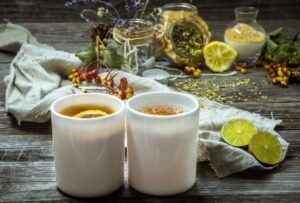



Organic herbal teas have become increasingly popular among tea lovers seeking natural, caffeine-free beverages made from high-quality ingredients. The best organic herbal teas offer a wide range of flavors and wellness benefits while being grown without synthetic pesticides, herbicides, or artificial additives. Whether you’re looking for a soothing cup before bed, a refreshing digestive tea after meals, or a flavorful daily beverage, organic herbal teas provide a natural way to support a healthy lifestyle while enjoying pure herbal goodness.
If you’re new to herbal infusions, our guide on What Is Herbal Tea explains how herbal teas differ from traditional teas.
What Makes a Herbal Tea Organic?
For a herbal tea to be considered organic, the herbs used in the blend must be grown and processed according to strict organic farming standards. These standards are designed to promote sustainable agriculture while limiting the use of synthetic chemicals during cultivation and production.
Organic herbal teas are typically produced using:
- No synthetic pesticides or herbicides
- No genetically modified organisms (GMOs)
- Sustainable and environmentally responsible farming practices
- Careful processing without artificial flavors, colors, or preservatives
- Certification from recognized organic organizations
Many tea drinkers choose organic herbal teas because they appreciate knowing their favorite herbs were grown using natural methods. In addition to supporting environmentally friendly farming practices, organic teas often appeal to consumers looking for a more natural and minimally processed beverage option.
Consumers can learn more about USDA Organic Certification, National Organic Program Standards, and recognized Organic Farming Practices that help define organic agricultural production.
Why Choose Organic Herbal Tea?

Many people choose organic herbal tea because it aligns with their preference for natural products and environmentally responsible farming practices. While flavor and personal preference often play a role, organic teas offer several advantages that appeal to health-conscious consumers.
Many tea enthusiasts choose the best organic herbal teas because they combine natural ingredients with environmentally responsible farming practices.
Reduced Exposure to Synthetic Chemicals
Organic farming standards prohibit the use of many synthetic pesticides and herbicides commonly found in conventional agriculture. As a result, many consumers prefer organic herbal teas as part of a more natural lifestyle.
Better Environmental Impact
Organic farming methods often focus on soil health, biodiversity, and sustainable land management. These practices can help reduce environmental pollution while supporting healthier ecosystems.
Pure and Natural Flavor
Many tea enthusiasts enjoy the clean, authentic taste of organically grown herbs. Without artificial additives or unnecessary processing, organic herbal teas often highlight the natural flavors and aromas of the plants themselves.
Support for Sustainable Agriculture
When you purchase organic herbal tea, you are supporting farmers and producers who follow environmentally responsible growing practices. This helps encourage sustainable agriculture and promotes long-term care for the land.
Wide Variety of Caffeine-Free Options
From chamomile and peppermint to hibiscus and Greek mountain tea, organic herbal teas are available in a wide range of flavors. Most are naturally caffeine-free, making them suitable for enjoying throughout the day or as part of a relaxing evening routine.
10 Best Organic Herbal Teas to Try
With so many varieties available, finding the best organic herbal tea often comes down to your personal taste preferences and wellness goals. Some herbal teas are known for their calming floral flavors, while others offer refreshing minty notes, bright citrus aromas, or rich earthy characteristics. The good news is that there is an organic herbal tea to suit nearly every palate.
Many of the most popular organic herbal teas have been enjoyed for generations and continue to be favorites among tea drinkers worldwide. Whether you’re looking for a soothing evening beverage, a refreshing afternoon tea, or a flavorful caffeine-free alternative to traditional tea and coffee, the following organic herbal teas are excellent options to explore.
Below, you’ll find some of the best organic herbal teas to add to your daily routine, whether you prefer floral, minty, fruity, or earthy flavors.
Chamomile Tea
Chamomile is one of the most popular organic herbal teas worldwide and has been enjoyed for centuries. Made from the dried flowers of the chamomile plant, this herbal infusion is known for its delicate floral aroma and naturally mild, slightly sweet flavor. Many people enjoy a warm cup of organic chamomile tea in the evening as part of their relaxation routine, making it one of the most common ingredients found in bedtime tea blends.
Organic chamomile tea is widely available and easy to incorporate into a daily wellness routine. Its smooth taste makes it enjoyable on its own, though some tea drinkers prefer adding a touch of honey or lemon for extra flavor. Whether served hot or chilled, chamomile remains a favorite choice among herbal tea enthusiasts looking for a naturally caffeine-free beverage.
Why people love it:
- Naturally caffeine-free
- Pleasant floral taste
- Popular bedtime tea
- Easy to find in organic varieties
Learn more about the many Chamomile Tea Benefits and why this floral tea remains one of the most popular herbal infusions worldwide.
Peppermint Tea
Peppermint tea is a refreshing herbal infusion made from the leaves of the peppermint plant. Known for its cool, invigorating flavor and pleasant aroma, it is one of the most popular organic herbal teas available today. Many people enjoy organic peppermint tea after meals because of its fresh taste and naturally soothing qualities.
One of the reasons peppermint tea remains a favorite among herbal tea drinkers is its versatility. It can be enjoyed year-round, served hot during colder months or poured over ice for a refreshing summer beverage. Its bold mint flavor also makes it an excellent caffeine-free alternative to traditional teas and coffee.
Highlights:
- Crisp, cooling flavor
- Naturally caffeine-free
- Popular digestive tea
- Refreshing hot or iced
Hibiscus Tea
Hibiscus tea is one of the most visually striking organic herbal teas, producing a deep ruby-red infusion that stands out in any teacup. Made from the dried petals of the hibiscus flower, this herbal tea is known for its bold, tart flavor that is often compared to cranberries or pomegranate. Its refreshing taste makes it a popular choice for both hot and iced tea preparations.
Organic hibiscus tea is especially popular during warmer months when served over ice, but many tea lovers enjoy it year-round. Its naturally vibrant color and fruity character make it an excellent option for those looking to explore herbal teas beyond traditional floral or mint varieties. Some people also blend hibiscus with other herbs or fruit ingredients to create unique and flavorful tea combinations.
Benefits of its flavor profile:
- Refreshing and tangy
- Excellent iced tea option
- Naturally caffeine-free
- Rich, colorful appearance
Lemon Balm Tea
Lemon balm tea is a gentle herbal infusion made from the leaves of the lemon balm plant, a member of the mint family. It is prized for its light citrus aroma and smooth, refreshing flavor that is less intense than many lemon-flavored beverages. Organic lemon balm tea has become increasingly popular among herbal tea enthusiasts who enjoy mild, naturally caffeine-free drinks.
Its pleasant taste makes it an excellent choice for both new and experienced tea drinkers. Lemon balm is frequently included in herbal tea blends designed for relaxation and pairs particularly well with chamomile, lavender, and peppermint. Whether enjoyed on its own or as part of a blend, organic lemon balm tea offers a bright and refreshing drinking experience.
Why it’s popular:
- Mild lemon flavor
- Pleasant evening tea
- Often included in relaxation blends
- Easy to combine with chamomile
Lavender Tea
Lavender tea is a fragrant herbal infusion made from the dried buds of the lavender plant. Known for its distinctive floral aroma and delicate flavor, it has become a popular choice among tea drinkers who enjoy naturally soothing herbal beverages. Organic lavender tea offers a unique taste experience that combines floral notes with subtle herbal undertones.
Explore the full range of Lavender Tea Benefits and discover why this fragrant herb is commonly used in relaxation blends.
Many people enjoy lavender tea in the evening due to its calming aroma and relaxing drinking experience. It is commonly used in herbal tea blends and pairs exceptionally well with chamomile, lemon balm, and other floral herbs. Whether enjoyed alone or as part of a carefully crafted blend, organic lavender tea remains a favorite among those seeking a naturally caffeine-free tea with a pleasant fragrance.
Best features:
- Fragrant floral flavor
- Popular in bedtime blends
- Pairs well with chamomile
- Naturally caffeine-free
Greek Mountain Tea
Greek Mountain Tea is a traditional herbal tea made from the dried stems, leaves, and flowers of the Sideritis plant, which grows naturally in the mountainous regions of the Mediterranean. Enjoyed for centuries throughout Greece and neighboring countries, this herbal infusion is known for its smooth, earthy flavor complemented by subtle floral and herbal notes.
Organic Greek Mountain Tea has gained popularity worldwide among tea enthusiasts looking for a naturally caffeine-free beverage with a rich cultural heritage. Its mild taste makes it easy to enjoy on its own, while a slice of lemon or a touch of honey can enhance its flavor. Whether served hot during colder months or chilled as a refreshing summer drink, Greek Mountain Tea is a versatile herbal tea that can be enjoyed throughout the year.
Why many tea enthusiasts enjoy it:
- Mild and easy-drinking
- Naturally caffeine-free
- Traditional Mediterranean herbal tea
- Can be enjoyed year-round
Read our complete guide to the Benefits of Greek Mountain Tea to learn why this traditional Mediterranean herbal tea has been enjoyed for generations.
Ginger Tea
Ginger tea is a warming herbal infusion made from the root of the ginger plant. It has a bold, spicy flavor and has been enjoyed in traditional herbal practices for centuries. Organic ginger tea is especially popular during colder months and is often combined with lemon, turmeric, or honey.
Why people enjoy it:
- Naturally spicy and warming
- Popular after meals
- Naturally caffeine-free
- Pairs well with other herbs
Rooibos Tea
Rooibos tea, sometimes called red bush tea, originates from South Africa and is known for its smooth, slightly sweet flavor. Although technically an herbal tea, rooibos is often enjoyed as an alternative to black tea because of its rich taste and naturally caffeine-free nature.
Highlights:
- Smooth and naturally sweet
- Caffeine-free alternative to tea
- Delicious hot or iced
- Widely available in organic varieties
Lemongrass Tea
Lemongrass tea offers a bright citrus flavor and refreshing aroma. Made from the leaves and stalks of the lemongrass plant, this herbal tea is popular both on its own and in herbal blends.
Why it’s popular:
- Refreshing citrus taste
- Naturally caffeine-free
- Great hot or cold
- Common in wellness blends
Rosehip Tea
Rosehip tea is made from the fruit of the rose plant and produces a fruity, slightly tart infusion. Its vibrant flavor makes it a favorite among herbal tea drinkers looking for something different from traditional floral teas.
Best features:
- Fruity and tangy flavor
- Beautiful reddish color
- Naturally caffeine-free
- Excellent for iced tea
Popular Organic Herbal Tea Brands
With the growing demand for natural and sustainably sourced products, many tea companies now offer a wide selection of certified organic herbal teas. These brands are known for using high-quality ingredients and providing a variety of herbal blends to suit different tastes and preferences.
Some well-known brands that offer certified organic herbal teas include:
- Traditional Medicinals
- Yogi Tea
- Pukka
- Numi Organic Tea
- Organic India
Each brand offers unique herbal blends featuring ingredients such as chamomile, peppermint, ginger, hibiscus, lemon balm, and other popular herbs. Whether you prefer single-herb teas or carefully crafted wellness blends, these companies provide a wide range of organic options.
When shopping for organic herbal tea, look for certification labels from recognized organic organizations. These certifications help ensure that the herbs were grown and processed according to established organic standards, giving consumers greater confidence in the quality and sourcing of the product.
How to Brew Organic Herbal Tea
Brewing organic herbal tea is simple, but following a few basic steps can help you get the best flavor and aroma from your herbs. While different herbs may have slightly different brewing recommendations, most herbal teas can be prepared using the same general method.
For the best results:
- Bring fresh water to a boil.
- Use 1–2 teaspoons of loose herbs or one tea bag per cup of water.
- Pour the hot water over the herbs and allow them to steep for 5–10 minutes.
- Cover the cup or teapot while steeping to help preserve the herbs’ natural aromatic oils.
- Strain the herbs if using loose-leaf tea and serve.
Many herbal teas can be enjoyed plain, allowing their natural flavors to shine. However, some tea drinkers like to add honey, lemon, or other natural sweeteners to customize the taste. You can also experiment with longer steeping times for a stronger infusion or serve certain herbal teas over ice for a refreshing cold beverage.
If you’re looking for calming herbal infusions, you may also enjoy our guides to the Best Herbal Teas for Relaxation and the Best Bedtime Teas for evening enjoyment.
Frequently Asked Questions About Organic Herbal Teas
Choosing among the best organic herbal teas often comes down to personal taste, brewing preferences, and desired flavor profiles.
Is organic herbal tea healthier than regular herbal tea?
Organic certification primarily refers to how the herbs are grown, harvested, and processed. While organic herbal tea is not automatically healthier than conventional herbal tea, many consumers choose organic products because they are produced without many synthetic pesticides, herbicides, and artificial additives commonly used in conventional agriculture.
Are organic herbal teas caffeine-free?
Most organic herbal teas are naturally caffeine-free because they are made from herbs, flowers, fruits, roots, and spices rather than traditional tea leaves. However, some herbal blends may contain ingredients such as green tea, black tea, white tea, or yerba mate, which naturally contain caffeine. Always check the ingredient label if you are trying to avoid caffeine.
Can I drink organic herbal tea every day?
Many organic herbal teas are commonly enjoyed as part of a daily routine. Popular options such as chamomile, peppermint, rooibos, and lemon balm are frequently consumed on a regular basis. However, certain herbs may not be suitable for everyone, especially during pregnancy, while breastfeeding, or when taking medications. If you have specific health concerns, consult a healthcare professional before regularly consuming herbal teas.
How should organic herbal tea be stored?
To maintain freshness and flavor, organic herbal tea should be stored in an airtight container away from heat, moisture, and direct sunlight. Proper storage helps preserve the herbs’ natural aroma and quality for a longer period.
What are the best organic herbal teas for beginners?
Some of the best organic herbal teas for beginners include chamomile, peppermint, rooibos, and lemon balm because of their mild flavors and wide availability. These teas provide an easy introduction to the world of organic herbal teas without overwhelming the palate.
Final Thoughts
The best organic herbal teas offer a wonderful combination of natural flavor, high-quality ingredients, and environmentally responsible growing practices. With options ranging from the floral notes of chamomile and lavender to the refreshing taste of peppermint and the fruity tartness of hibiscus, there is an organic herbal tea to suit nearly every preference.
Whether you’re looking for a relaxing evening beverage, a refreshing caffeine-free alternative to traditional tea, or simply a new herbal infusion to explore, organic herbal teas provide countless possibilities. By choosing certified organic products, you can enjoy your favorite herbal teas while supporting sustainable farming practices and producers committed to quality.
No matter which variety you choose, adding organic herbal teas to your daily routine is a simple and enjoyable way to experience the diverse flavors that nature has to offer.
Post Disclaimer
The information contained in this post is for general information purposes only. The information is provided as is and while we endeavour to keep the information up to date and correct, we make no representations or warranties of any kind, express or implied, about the completeness, accuracy, reliability, suitability or availability with respect to the website or the information, products, services, or related graphics contained on the post for any purpose.
These statements have not been evaluated by the FDA and are not intended to diagnose, treat, cure or prevent any disease or health condition. If you have specific healthcare concerns or questions about the products displayed, please contact your licensed healthcare professional for advice or answers.