

If you’re looking for a simple way to unwind at the end of the day, a warm cup of herbal tea can be a comforting addition to your evening routine. The best bedtime teas are typically caffeine-free and feature herbs that have been traditionally enjoyed for their calming aromas and relaxing flavors. From the gentle floral notes of chamomile to the soothing fragrance of lavender and the refreshing taste of lemon balm, bedtime teas offer a pleasant way to transition from a busy day to a restful night.
Many people enjoy drinking herbal tea before bed as part of a relaxing ritual that helps create a peaceful atmosphere. While individual preferences vary, certain herbal teas have become especially popular for evening use due to their mild flavors and long history of traditional use. In this guide, we’ll explore the best bedtime teas, their unique characteristics, and how to choose the right nighttime tea for your personal routine.
If you’re new to herbal infusions, our guide on What Is Herbal Tea? explains the basics and how herbal teas differ from traditional teas.
Why Drink Tea Before Bed?
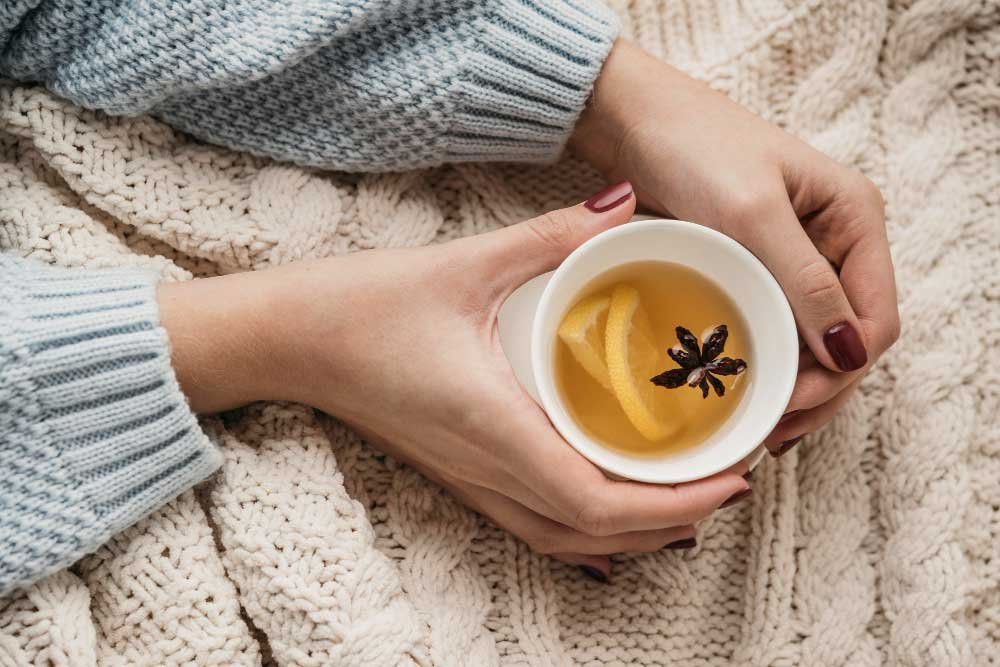
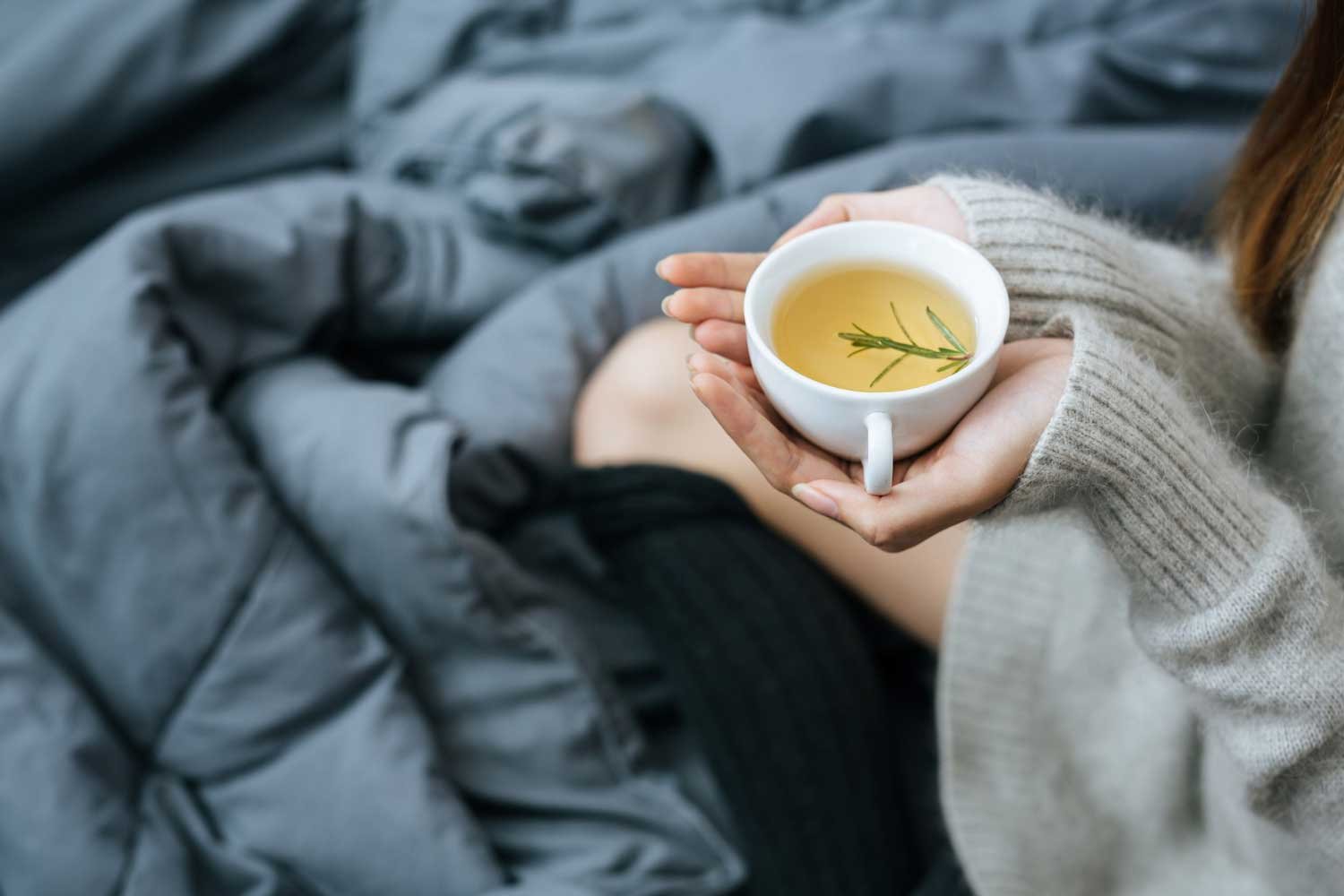
For many people, enjoying a cup of tea before bed is more than simply having a beverage—it’s a relaxing ritual that helps signal the end of a busy day. The warmth, aroma, and comforting flavors of herbal tea can create a peaceful atmosphere that encourages rest and relaxation.
Many people enjoy bedtime teas because they:
Choosing the best bedtime teas can make your evening routine even more enjoyable. Many popular herbal options, including chamomile, lavender, lemon balm, and passionflower, are naturally caffeine-free and commonly enjoyed before bedtime.
For the best experience, choose naturally caffeine-free herbal teas and enjoy them approximately 30 to 60 minutes before going to sleep. Pairing your tea with other relaxing habits, such as reading, meditation, or limiting screen time, can help create a peaceful bedtime environment.
Many of the best bedtime teas are naturally caffeine-free, making our Caffeine-Free Teas Guide a helpful resource for choosing evening beverages.
How to Choose the Best Bedtime Tea
With so many herbal teas available, choosing the best bedtime tea often comes down to personal taste and your preferred evening routine. Some people enjoy light floral teas, while others prefer minty, citrusy, or earthy flavors before bed.
Choose a Naturally Caffeine-Free Tea
One of the most important factors when selecting a bedtime tea is avoiding caffeine. Many herbal teas are naturally caffeine-free, making them a popular choice for evening consumption. Always check the ingredient list, as some blends may contain green tea, black tea, or yerba mate, which naturally contain caffeine.
Consider Your Flavor Preferences
Different bedtime teas offer unique flavor profiles:
- Floral: Chamomile, lavender, and rose.
- Citrusy: Lemon balm and lemongrass.
- Minty: Peppermint and spearmint.
- Earthy: Valerian root and tulsi.
- Sweet and Mild: Chamomile and passionflower.
Choosing flavors you genuinely enjoy can make your nightly tea ritual more satisfying.
Single-Herb Teas vs Herbal Blends
Some tea drinkers prefer single-herb teas because they offer a simple and distinct flavor. Others enjoy bedtime tea blends that combine several herbs, such as chamomile, lavender, lemon balm, and passionflower, to create a more balanced and enjoyable taste.
Loose Leaf Tea vs Tea Bags
Both loose-leaf teas and tea bags can make excellent bedtime teas. Tea bags offer convenience and quick preparation, while loose-leaf teas often provide greater variety and allow tea drinkers to customize their brewing experience.
Choose High-Quality Ingredients
Fresh herbs and high-quality ingredients can significantly improve the flavor, aroma, and overall tea-drinking experience. Many consumers also prefer organic herbal teas when available.
Ultimately, the best bedtime teas are the ones you enjoy drinking consistently as part of a relaxing evening routine.
1. Chamomile Tea
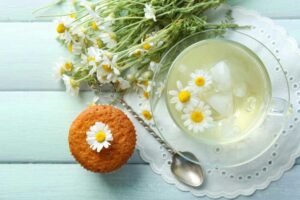
Chamomile tea is often considered one of the best bedtime teas and remains a favorite among herbal tea drinkers worldwide. Its gentle floral flavor, soothing aroma, and naturally caffeine-free profile make it a popular choice for evening relaxation.
You can learn more about this popular nighttime beverage in our guide to the Benefits of Chamomile Tea.
Benefits
- Traditionally used for relaxation
- Mild and gentle flavor
- Pleasant floral aroma
- Naturally caffeine-free
Taste
Chamomile has a light, floral taste with subtle apple-like notes and a naturally sweet finish.
Additional information is available through the NCCIH Chamomile Information resource.
2. Lavender Tea
Lavender tea is prized for its calming fragrance and delicate floral flavor. It is commonly included in many of the best bedtime teas and relaxation blends available today.
Readers interested in floral herbal teas may also enjoy exploring the Benefits of Lavender Tea.
Benefits
- Popular in evening tea blends
- Relaxing aroma
- Supports a peaceful bedtime routine
Taste
Floral, slightly sweet, and fragrant with a smooth finish.
For more information about lavender, visit the NCCIH Lavender Fact Sheet.
3. Lemon Balm Tea
Lemon balm tea has been used in traditional herbal practices for centuries and is frequently included in bedtime tea blends because of its pleasant citrus flavor.
Lemon balm frequently appears in blends featured in our article on Best Herbal Teas for Stress Relief.
Benefits
- Refreshing citrus aroma
- Common ingredient in relaxation teas
- Gentle and easy to drink
Taste
Light lemon flavor with mild herbal undertones.
4. Valerian Root Tea
Valerian root tea is one of the most well-known herbs traditionally associated with bedtime. It is frequently used in commercial sleep tea blends and often paired with other calming herbs.
Benefits
- Frequently included in sleep tea blends
- Popular nighttime herbal remedy
- Naturally caffeine-free
Taste
Valerian root tea has an earthy, woody flavor that is noticeably stronger than many floral herbal teas.
5. Passionflower Tea
Passionflower tea is commonly found in many evening tea formulas and is often blended with chamomile, lemon balm, and lavender in bedtime tea products.
Benefits
- Traditional bedtime herb
- Mild and pleasant flavor
- Often blended with chamomile and lemon balm
Taste
Lightly grassy with subtle floral notes and a smooth finish.
6. Peppermint Tea
Peppermint tea is an excellent caffeine-free option for evening enjoyment. Its refreshing flavor makes it particularly popular after meals.
Peppermint is also one of the herbs featured in our guide to Best Herbal Teas for Digestion.
Benefits
- Refreshing flavor
- Naturally caffeine-free
- Popular after meals
Taste
Cool, minty, and refreshing with a clean finish.
7. Tulsi (Holy Basil) Tea
Tulsi tea, also known as Holy Basil tea, has become increasingly popular among herbal tea enthusiasts. It is commonly included in wellness blends and traditional herbal tea collections.
Several herbs used in bedtime teas can also be found in the Best Herbal Teas for Immune Support.
Benefits
- Traditionally used in Ayurvedic practices
- Earthy and aromatic
- Common ingredient in wellness tea blends
Taste
Tulsi tea has an herbal, slightly spicy flavor with mild natural sweetness.
Best Herbal Tea Blends for Sleep
While single-herb teas can be highly enjoyable, many people prefer herbal tea blends specifically designed for relaxation and bedtime. These blends often combine several calming herbs to create a balanced flavor profile while incorporating a variety of traditional sleep-support ingredients.
Manufacturers carefully select herbs that complement one another in both taste and aroma, creating soothing combinations that are enjoyable to drink before bed. Many of the best bedtime teas available today feature a mix of floral, citrus, minty, and earthy ingredients.
Common Ingredients Found in Sleep Tea Blends
- Chamomile
- Lavender
- Lemon balm
- Passionflower
- Valerian root
- Peppermint
- Tulsi (Holy Basil)
- California poppy
- Magnolia bark
Benefits of Herbal Tea Blends
Many tea drinkers choose blended teas because they offer a more complex and enjoyable flavor than some single-herb options.
- Balanced Flavor: Multiple herbs create a smoother and more interesting taste.
- Pleasant Aroma: Floral, citrus, and mint notes work together to create a relaxing experience.
- Greater Variety: Blends allow tea drinkers to enjoy several popular bedtime herbs in a single cup.
- Convenient Option: Many commercial bedtime teas are available in ready-to-brew tea bags.
Popular Flavor Combinations
Some of the most popular bedtime tea blends include:
- Chamomile and lavender
- Chamomile and lemon balm
- Lavender and passionflower
- Peppermint and lemon balm
- Tulsi and chamomile
- Chamomile, lavender, and valerian root
Choosing the Right Sleep Tea Blend
If you enjoy floral flavors, look for blends featuring chamomile and lavender. If you prefer something fresher, blends containing peppermint or lemon balm may be a better fit. Tea drinkers who enjoy richer herbal flavors often choose blends that include valerian root or tulsi.
The best bedtime teas are ultimately the ones that fit your taste preferences and help you create a relaxing evening ritual that you look forward to each night.
Tips for Enjoying Bedtime Tea
Adding a cup of tea to your nightly routine can be a simple and enjoyable way to relax before bed. While everyone’s preferences are different, a few simple habits can help you get the most enjoyment from your evening tea ritual.
Drink Tea 30 to 60 Minutes Before Bed
Many people prefer to enjoy their bedtime tea about 30 to 60 minutes before going to sleep. This gives you time to relax, unwind, and enjoy the experience without feeling rushed.
Choose Caffeine-Free Herbal Teas
When selecting bedtime teas, choose naturally caffeine-free options whenever possible. Herbal teas such as chamomile, lavender, lemon balm, peppermint, and passionflower are popular evening choices because they do not contain caffeine.
Create a Relaxing Evening Routine
Bedtime tea can become part of a larger nighttime ritual. Many people enjoy pairing their tea with activities such as reading, meditation, journaling, gentle stretching, or listening to calming music.
Use Proper Brewing Techniques
Following the recommended brewing instructions can help bring out the best flavor and aroma of your tea. Most herbal teas are brewed using freshly boiled water and steeped for approximately 5 to 10 minutes.
Experiment With Different Herbal Teas
Every tea drinker has unique preferences. Try several bedtime teas and herbal blends to discover which flavors you enjoy most. Some people prefer the floral taste of chamomile and lavender, while others enjoy minty or citrus-based herbal teas.
Limit Added Sugar
Many bedtime teas have naturally pleasant flavors and can be enjoyed without excessive sweeteners. If desired, a small amount of honey can add sweetness without overpowering the herbal ingredients.
Store Your Tea Properly
To maintain freshness, store herbal teas in an airtight container away from heat, moisture, and direct sunlight. Proper storage helps preserve flavor, aroma, and overall quality.
The best bedtime teas are not only about the ingredients—they are also about creating a peaceful evening ritual that helps you slow down and enjoy a quiet moment before sleep.
Frequently Asked Questions About Bedtime Teas
What are the best bedtime teas?
The best bedtime teas often include chamomile tea, lavender tea, lemon balm tea, passionflower tea, valerian root tea, peppermint tea, and tulsi tea. These herbal teas are naturally caffeine-free and are commonly enjoyed as part of an evening routine.
Is chamomile the most popular bedtime tea?
Yes. Chamomile tea is widely considered one of the most popular bedtime teas due to its mild floral flavor, pleasant aroma, and long history of traditional use.
Are bedtime teas caffeine-free?
Most herbal bedtime teas are naturally caffeine-free. However, some tea blends may contain green tea, black tea, white tea, or yerba mate, so it’s always important to read the ingredient label.
When should I drink bedtime tea?
Many people enjoy bedtime tea approximately 30 to 60 minutes before going to sleep as part of a relaxing nighttime routine.
Can I drink bedtime tea every night?
Many herbal teas are commonly consumed on a daily basis. If you have specific health concerns, are pregnant, breastfeeding, or take medications, consult a healthcare professional before regularly consuming certain herbs.
What tea should I avoid before bed?
Many people choose to avoid caffeinated beverages before bedtime, including black tea, green tea, matcha, oolong tea, energy drinks, and coffee.
What is the difference between bedtime tea and sleep tea?
The terms are often used interchangeably. Bedtime teas generally refer to herbal teas enjoyed in the evening, while sleep teas are often marketed specifically for nighttime relaxation and may contain a combination of herbs commonly used in bedtime blends.
Can I make my own bedtime tea blend?
Yes. Many tea enthusiasts create homemade bedtime tea blends using herbs such as chamomile, lavender, lemon balm, peppermint, and passionflower to suit their personal flavor preferences.
Frequently Asked Questions About Bedtime Teas
What are the best bedtime teas?
The best bedtime teas often include chamomile tea, lavender tea, lemon balm tea, passionflower tea, valerian root tea, peppermint tea, and tulsi tea. These herbal teas are naturally caffeine-free and are commonly enjoyed as part of an evening routine.
Is chamomile the most popular bedtime tea?
Yes. Chamomile tea is widely considered one of the most popular bedtime teas due to its mild floral flavor, pleasant aroma, and long history of traditional use.
Are bedtime teas caffeine-free?
Most herbal bedtime teas are naturally caffeine-free. However, some tea blends may contain green tea, black tea, white tea, or yerba mate, so it’s always important to read the ingredient label.
When should I drink bedtime tea?
Many people enjoy bedtime tea approximately 30 to 60 minutes before going to sleep as part of a relaxing nighttime routine.
Can I drink bedtime tea every night?
Many herbal teas are commonly consumed on a daily basis. If you have specific health concerns, are pregnant, breastfeeding, or take medications, consult a healthcare professional before regularly consuming certain herbs.
What tea should I avoid before bed?
Many people choose to avoid caffeinated beverages before bedtime, including black tea, green tea, matcha, oolong tea, energy drinks, and coffee.
What is the difference between bedtime tea and sleep tea?
The terms are often used interchangeably. Bedtime teas generally refer to herbal teas enjoyed in the evening, while sleep teas are often marketed specifically for nighttime relaxation and may contain a combination of herbs commonly used in bedtime blends.
Can I make my own bedtime tea blend?
Yes. Many tea enthusiasts create homemade bedtime tea blends using herbs such as chamomile, lavender, lemon balm, peppermint, and passionflower to suit their personal flavor preferences.
Final Thoughts
The best bedtime teas offer a comforting and enjoyable way to end the day. Whether you prefer the gentle floral taste of chamomile, the soothing aroma of lavender, the refreshing flavor of lemon balm, or a carefully crafted herbal blend, there are plenty of caffeine-free options to explore.
Adding bedtime tea to your evening routine can help create a relaxing ritual that encourages you to slow down, unwind, and enjoy a peaceful moment before sleep. By experimenting with different herbs and blends, you can discover the best bedtime teas that fit your taste preferences and become a regular part of your nightly routine.
Post Disclaimer
The information contained in this post is for general information purposes only. The information is provided as is and while we endeavour to keep the information up to date and correct, we make no representations or warranties of any kind, express or implied, about the completeness, accuracy, reliability, suitability or availability with respect to the website or the information, products, services, or related graphics contained on the post for any purpose.
These statements have not been evaluated by the FDA and are not intended to diagnose, treat, cure or prevent any disease or health condition. If you have specific healthcare concerns or questions about the products displayed, please contact your licensed healthcare professional for advice or answers.