

Introduction
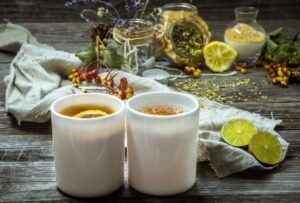
Best Herbal Teas for Relaxation have become a popular choice for people seeking natural and enjoyable ways to unwind from the demands of daily life. In a world filled with busy schedules, constant notifications, and everyday responsibilities, finding simple moments of calm can make a meaningful difference in your overall sense of well-being. One of the easiest ways to slow down and create a relaxing ritual is by enjoying a warm cup of herbal tea.
For centuries, cultures around the world have turned to various herbs for their soothing aromas, pleasant flavors, and traditional associations with relaxation. From the delicate floral notes of chamomile and lavender to the refreshing taste of lemon balm and peppermint, herbal teas offer a wide variety of flavors that can help transform an ordinary break into a peaceful experience. Unlike traditional black or green teas, most herbal teas are naturally caffeine-free, making them especially popular during the evening hours when people are looking to relax and prepare for a restful night.
Beyond the herbs themselves, the simple act of brewing and sipping tea can be calming. Taking a few minutes to boil water, steep your favorite blend, and enjoy the warmth of the cup encourages mindfulness and provides an opportunity to step away from daily stressors. Many tea enthusiasts find that creating a regular tea routine helps them establish moments of relaxation throughout the day, whether in the morning, during an afternoon break, or before bedtime.
If you’re new to herbal infusions, our What Is Herbal Tea? guide explains how herbal teas differ from traditional teas and why they have become so popular worldwide.
The best herbal teas for relaxation come in many forms, ranging from single-herb infusions to carefully crafted blends that combine complementary ingredients. Some teas are valued for their floral aromas, while others are appreciated for their refreshing, minty, citrusy, or earthy flavors. With so many options available, there is a relaxing herbal tea to suit nearly every taste preference.
In this guide, we’ll explore some of the best herbal teas for relaxation, their unique characteristics, and why they have become favorites among tea lovers looking to create a more peaceful and enjoyable daily routine. Whether you’re new to herbal tea or searching for new varieties to try, these calming beverages can offer a comforting way to slow down and recharge.
Why Herbal Teas Are Popular for Relaxation
Herbal teas have long been associated with comfort, relaxation, and moments of calm. While many people enjoy them simply for their flavor, others appreciate the opportunity they provide to slow down and take a break from the stresses of daily life. Unlike traditional black, green, or oolong teas, most herbal teas are naturally caffeine-free, making them a popular choice for afternoons, evenings, and bedtime routines.
One of the reasons herbal teas are so widely enjoyed for relaxation is that they combine soothing flavors with comforting aromas. The gentle scent of herbs such as chamomile, lavender, lemon balm, and peppermint can make the tea-drinking experience feel calming and enjoyable. For many people, the simple process of preparing a cup of tea creates a mindful ritual that encourages them to pause, relax, and focus on the present moment.
Many people who are looking for caffeine-free beverages also enjoy reading our Caffeine-Free Teas Guide to discover additional herbal options.
Herbal teas are also incredibly versatile. Whether you prefer floral, minty, citrusy, fruity, or earthy flavors, there is a relaxing herbal tea to match your personal taste. Many tea blends are specifically crafted to create a balanced and soothing drinking experience by combining several complementary herbs in a single cup.
The act of drinking herbal tea can be just as important as the ingredients themselves. Taking a few quiet minutes to steep tea, enjoy its aroma, and slowly sip it can help create a sense of comfort and relaxation after a busy day. This daily ritual has become a popular wellness habit for people seeking simple ways to unwind without relying on caffeinated beverages.
Benefits of Relaxing Herbal Teas
Many people enjoy herbal teas as part of a relaxing lifestyle because they may help:
- Create a calming daily ritual
- Support a sense of tranquility and comfort
- Encourage relaxation after a busy or stressful day
- Provide soothing aromas and enjoyable flavors
- Promote mindfulness and self-care habits
- Offer a caffeine-free alternative to coffee and traditional tea
- Help establish a peaceful evening routine
- Encourage moments of rest and reflection throughout the day
Whether enjoyed alone or shared with friends and family, herbal teas remain one of the simplest and most enjoyable ways to create moments of relaxation and balance in everyday life.
Best Herbal Teas for Relaxation
Whether you prefer floral, minty, citrusy, or earthy flavors, there are many herbal teas that can help create a calming and enjoyable tea-drinking experience. The best herbal teas for relaxation are typically caffeine-free and are often enjoyed as part of an evening routine or whenever you need a peaceful break during the day. Below are some of the most popular choices among herbal tea enthusiasts.
Chamomile Tea
Chamomile tea is often considered the gold standard when it comes to relaxing herbal teas. Made from the dried flowers of the chamomile plant, this gentle herbal infusion has been enjoyed for centuries and remains one of the most popular bedtime beverages worldwide.
Its light floral flavor, naturally sweet notes, and soothing aroma make it an easy choice for both new and experienced tea drinkers. Many people enjoy chamomile tea in the evening as part of a calming routine before bed.
To learn more about this popular herb, see our complete guide to the Benefits of Chamomile Tea.
Why people love it:
- Mild and pleasant floral taste
- Naturally caffeine-free
- Popular evening and bedtime tea
- Widely available in stores and online
- Often included in relaxation tea blends
Lavender Tea
Lavender tea is known for its distinctive floral aroma and elegant flavor. The fragrant purple flowers used to make the tea create a soothing sensory experience that many people associate with relaxation and self-care.
A warm cup of lavender tea can feel like a spa treatment in a mug, making it a favorite choice for quiet evenings and moments of reflection.
You can learn more about this fragrant herb in our guide to the Benefits of Lavender Tea.
Benefits and characteristics:
- Floral and aromatic flavor profile
- Popular addition to relaxation routines
- Often blended with chamomile and lemon balm
- Naturally caffeine-free
- Pleasant aroma that enhances the tea-drinking experience
The NCCIH Lavender Fact Sheet provides additional information about lavender and its traditional uses.
Lemon Balm Tea
Lemon balm is a member of the mint family and is prized for its fresh citrus scent and smooth flavor. It offers a lighter taste than many other herbal teas, making it a refreshing option for people who prefer subtle herbal flavors.
Lemon balm tea can be enjoyed throughout the day and is frequently featured in relaxation and wellness tea blends.
Lemon balm is often included among the Best Herbal Teas for Stress Relief thanks to its refreshing flavor and popularity in calming tea blends.
Why it’s popular:
- Light lemony flavor
- Gentle and refreshing taste
- Common ingredient in calming tea blends
- Suitable served hot or iced
- Naturally caffeine-free
Passionflower Tea
Passionflower tea has been used in traditional herbal practices for generations and remains a popular ingredient in many calming herbal blends. Its mild earthy taste pairs well with other herbs, particularly chamomile and lemon balm.
Many bedtime teas contain passionflower because of its reputation as a soothing evening herb.
Passionflower is also frequently featured in many of the Best Bedtime Teas enjoyed as part of an evening routine.
Highlights:
- Mild earthy and slightly grassy flavor
- Often combined with chamomile
- Common ingredient in nighttime tea blends
- Naturally caffeine-free
- Easy to blend with other herbs
Valerian Root Tea
Valerian root tea is one of the most recognizable herbal teas used in evening blends. It has a stronger flavor and aroma than many other herbal teas, which is why it is often combined with mint, chamomile, or lemon balm to create a more balanced taste.
Although its flavor can be an acquired taste, valerian root remains a favorite ingredient in many relaxation-focused tea formulas.
Valerian root is commonly found in some of the Best Herbal Teas for Sleep available today.
Features:
- Traditional herb commonly found in bedtime blends
- Strong earthy aroma
- Often blended with milder herbs
- Best enjoyed during the evening
- Naturally caffeine-free
Peppermint Tea
Peppermint tea is best known for its refreshing taste and cooling sensation. While many people drink it after meals, it is also a popular choice for relaxation because of its invigorating aroma and smooth flavor.
While peppermint is known for its refreshing flavor, it is also featured in many of the Best Herbal Teas for Digestion.
The crisp minty character of peppermint tea provides a refreshing way to unwind without caffeine.
Benefits:
- Fresh and cooling mint flavor
- Naturally caffeine-free
- Easy to prepare
- Widely available
- Enjoyed hot or iced
Tulsi (Holy Basil) Tea
Tulsi, also known as Holy Basil, is an important herb in Ayurvedic traditions and has become increasingly popular among herbal tea drinkers worldwide. It offers a unique flavor profile that combines herbal, slightly spicy, and mildly sweet notes.
Tulsi is often included among the Best Herbal Teas for Anxiety and wellness-focused herbal blends.
Many people enjoy tulsi tea as part of their daily wellness and relaxation routines.
Why tea lovers enjoy it:
- Rich and complex herbal flavor
- Popular wellness tea
- Often blended with ginger, cinnamon, or lemon
- Suitable for daily consumption
- Naturally caffeine-free
Rose Tea
Rose tea is made from dried rose petals or rosebuds and is cherished for its delicate floral aroma and naturally sweet flavor. The elegant fragrance of rose tea makes it a favorite choice for those seeking a calming and luxurious tea experience.
Many relaxation tea blends include rose petals to add both flavor and aroma.
Why it’s loved:
- Delicate floral taste
- Beautiful aroma
- Naturally caffeine-free
- Common ingredient in calming tea blends
- Pairs well with lavender and chamomile
Linden Flower Tea
Linden flower tea, sometimes called lime blossom tea, has been enjoyed throughout Europe for generations. It offers a gentle floral flavor with subtle sweetness and is often consumed during quiet evening hours.
Its pleasant taste and comforting aroma have helped make it a longstanding favorite among herbal tea enthusiasts.
Popular qualities:
- Mild floral flavor
- Naturally caffeine-free
- Traditional European herbal tea
- Smooth and easy to drink
- Often enjoyed before bedtime
Rooibos Tea
Although technically not an herbal infusion from traditional medicinal herbs, rooibos is a naturally caffeine-free tea from South Africa that is frequently included in relaxation tea collections. It offers a smooth, slightly sweet taste with hints of vanilla and honey.
Rooibos works well on its own or blended with herbs such as chamomile, lavender, and cinnamon.
Why many people enjoy it:
- Naturally caffeine-free
- Smooth and mild flavor
- Low bitterness
- Delicious hot or iced
- Versatile base for herbal tea blends
These herbal teas offer a wide variety of flavors and aromas, making it easy to find the best herbal teas for relaxation that match your personal preferences and daily routine.
Best Herbal Tea Blends for Relaxation
While single-herb teas can be incredibly enjoyable, many tea drinkers prefer herbal tea blends that combine several ingredients to create a more complex flavor and aroma. Relaxation tea blends are carefully crafted to bring together complementary herbs, allowing each ingredient to contribute its unique taste and character while creating a soothing overall experience.
Many of the most popular relaxation teas available today feature a combination of floral, citrus, minty, and earthy herbs. These blends are designed not only to provide a pleasant flavor profile but also to create a comforting tea-drinking ritual that can help you unwind after a busy day.
Many ingredients used in relaxation blends can also be found in the Best Herbal Teas for Stress Relief and nighttime tea collections.
Common Ingredients Found in Relaxation Tea Blends
Many calming herbal tea blends include one or more of the following ingredients:
- Chamomile
- Lavender
- Lemon balm
- Passionflower
- Peppermint
- Tulsi (Holy Basil)
- Valerian root
- Rose petals
- Linden flower
- Spearmint
Each herb contributes a unique flavor and aroma, resulting in blends that range from light and floral to rich and earthy.
Several of these herbs are also commonly included in the Best Herbal Teas for Sleep because of their popularity in evening tea blends.
Popular Relaxation Tea Blend Combinations
Chamomile and Lavender
One of the most popular combinations, chamomile and lavender create a smooth floral tea with a gentle aroma that many people enjoy during the evening.
Lemon Balm and Peppermint
This refreshing blend combines bright citrus notes with cooling mint flavors, creating a balanced and uplifting herbal infusion.
Chamomile, Lemon Balm, and Passionflower
Often found in bedtime tea blends, this combination offers a pleasant floral flavor with subtle herbal undertones.
Tulsi and Cinnamon
Tulsi’s herbal richness pairs beautifully with the warming spice of cinnamon, creating a comforting tea that can be enjoyed throughout the year.
Lavender and Rose
This elegant floral blend delivers a fragrant and luxurious tea experience that feels both relaxing and indulgent.
Benefits of Herbal Tea Blends
Many tea enthusiasts prefer blends because they offer several advantages over single-herb teas:
More Complex Flavor
Combining multiple herbs creates layers of flavor that can make the tea more enjoyable and balanced.
Aromatic Experience
Different herbs contribute unique aromas that enhance the overall relaxation ritual.
Greater Variety
Blends allow tea drinkers to experience several traditional herbs in a single cup.
Customized Taste Profiles
Manufacturers can create blends that are floral, minty, citrusy, earthy, spicy, or a combination of several flavor categories.
Choosing the Right Relaxation Tea Blend
The best herbal tea blend for relaxation ultimately depends on your personal taste preferences.
- If you enjoy floral flavors, look for blends featuring chamomile, lavender, and rose.
- If you prefer refreshing teas, choose blends with lemon balm, peppermint, or spearmint.
- If you like earthy herbal flavors, consider blends containing tulsi, passionflower, or valerian root.
- If you enjoy warming flavors, look for blends that include cinnamon, ginger, or rooibos.
Experimenting with different combinations can help you discover the best herbal teas for relaxation that suit your taste and become a comforting part of your daily routine.
How to Choose the Best Herbal Tea for Relaxation
With so many herbal teas available, choosing the best one for relaxation often comes down to personal taste preferences and when you plan to enjoy your tea. Some people prefer light floral flavors, while others enjoy refreshing minty blends or richer earthy herbal infusions. Fortunately, there is a relaxing herbal tea for almost every palate.
Choose Based on Flavor Preferences
One of the easiest ways to find your favorite relaxation tea is to start with flavors you already enjoy.
Floral Teas
Floral teas are among the most popular options for relaxation. They offer delicate aromas and smooth flavors that many people associate with calm and comfort.
For more tips and techniques, read our complete guide on How to Brew Herbal Tea Properly.
Popular floral teas include:
- Chamomile tea
- Lavender tea
- Rose tea
- Linden flower tea
Minty Teas
Mint-based teas provide a refreshing and cooling taste that many tea drinkers find soothing after a long day.
Popular minty teas include:
- Peppermint tea
- Spearmint tea
- Lemon balm tea
Citrus-Flavored Teas
If you enjoy brighter and more refreshing flavors, citrus-inspired herbal teas can be an excellent choice.
Popular options include:
- Lemon balm tea
- Lemon verbena tea
- Citrus herbal blends
Earthy Herbal Teas
Some herbal teas offer deeper, richer flavors that appeal to those who enjoy more robust herbal infusions.
Popular earthy teas include:
- Tulsi (Holy Basil) tea
- Passionflower tea
- Valerian root tea
- Rooibos tea
Choose Based on Time of Day
Different herbal teas can fit naturally into various parts of your daily routine.
Morning Relaxation
If you want a calming start to your day without caffeine, consider:
- Tulsi tea
- Lemon balm tea
- Rooibos tea
Afternoon Break
A relaxing afternoon tea can help you step away from work and recharge.
Good options include:
- Peppermint tea
- Lemon balm tea
- Rose tea
Evening and Bedtime
Many people enjoy herbal teas as part of their evening wind-down routine.
Popular evening choices include:
- Chamomile tea
- Lavender tea
- Passionflower tea
- Valerian root blends
Try Different Tea Blends
If you’re new to herbal teas, don’t be afraid to experiment. Relaxation blends often combine multiple herbs to create balanced flavors and aromas. You may discover that you enjoy a blend more than any single herb on its own.
Consider Loose Leaf vs Tea Bags
Both formats have advantages:
- Tea bags offer convenience and quick preparation.
- Loose leaf teas often provide more robust flavor and a wider selection of premium herbal blends.
Build a Relaxing Tea Routine
The best herbal tea for relaxation is ultimately the one you look forward to drinking. Creating a simple ritual around your tea—such as reading a book, listening to calming music, or spending a few quiet moments away from screens—can make the experience even more enjoyable and help turn an ordinary cup of tea into a meaningful daily habit.
How to Brew Herbal Tea for Maximum Enjoyment
Brewing herbal tea properly can make a significant difference in both flavor and aroma. While herbal teas are generally easy to prepare, using the right amount of water, steeping time, and brewing method can help you get the most out of every cup. Whether you prefer loose-leaf herbs or tea bags, a few simple techniques can enhance your relaxation experience.
Use Fresh Water
Starting with fresh, cold water is one of the easiest ways to improve the taste of your tea. Fresh water helps bring out the natural flavors and aromas of the herbs more effectively than water that has been repeatedly boiled.
Follow Recommended Steeping Times
Most herbal teas benefit from a longer steeping time than traditional teas. In general, herbal infusions should steep for about 5 to 10 minutes, depending on the ingredients and your flavor preference.
Typical steeping times include:
- Chamomile tea: 5–7 minutes
- Lavender tea: 5–10 minutes
- Lemon balm tea: 5–10 minutes
- Peppermint tea: 5–7 minutes
- Tulsi tea: 5–8 minutes
- Valerian root tea: 10–15 minutes
Longer steeping times usually produce stronger flavors and aromas.
Cover Your Cup While Steeping
Many herbal teas contain aromatic oils that contribute to their flavor and fragrance. Covering your cup or teapot while the tea steeps helps retain these delicate aromas and prevents them from escaping into the air.
Experiment With Strength
Everyone has different taste preferences. If you prefer a stronger tea, use a little more herb or allow it to steep longer. For a lighter flavor, reduce the steeping time or use less tea.
Enhance Flavor Naturally
Many people enjoy herbal teas without any additions, but you can customize your cup with natural ingredients such as:
- Honey
- Lemon slices
- Orange peel
- Cinnamon sticks
- Fresh mint leaves
These additions can complement the natural flavors of the herbs without overpowering them.
Enjoy Herbal Tea Hot or Iced
Although relaxation teas are often served warm, many herbal teas are equally enjoyable as iced beverages. Simply brew the tea slightly stronger than usual, allow it to cool, and serve over ice for a refreshing caffeine-free drink.
For additional brewing tips, see our guide on How to Brew Herbal Tea Properly.
Frequently Asked Questions About Herbal Teas for Relaxation
What is the best herbal tea for relaxation?
Chamomile tea is often considered one of the best herbal teas for relaxation because of its gentle flavor, pleasant aroma, and long history of traditional use. However, lavender, lemon balm, passionflower, and tulsi are also popular choices.
Are herbal teas for relaxation caffeine-free?
Most herbal teas are naturally caffeine-free, making them suitable for evening enjoyment. Always check ingredient labels, as some blends may include green tea, black tea, or other caffeinated ingredients.
Can I drink relaxing herbal tea every day?
Many people enjoy herbal teas daily as part of a healthy lifestyle and relaxation routine. If you have medical conditions, are pregnant, or take medications, consult a healthcare professional before regularly consuming specific herbs.
What is the best time to drink relaxation tea?
Relaxation teas can be enjoyed at any time of day, but they are especially popular in the evening as part of a calming bedtime routine.
Are herbal tea blends better than single-herb teas?
Neither option is necessarily better. Single-herb teas allow you to enjoy the unique flavor of one plant, while blends provide a more complex taste and aroma by combining multiple complementary herbs.
You can also explore the MedlinePlus Herbal Medicine Resources for additional educational information about herbal products.
Final Thoughts
The best herbal teas for relaxation offer more than just great flavor—they provide an opportunity to slow down, unwind, and enjoy a peaceful moment in your day. Whether you prefer the floral sweetness of chamomile, the soothing aroma of lavender, the refreshing taste of lemon balm, or the rich herbal character of tulsi, there is a relaxation tea to match every preference.
By exploring different herbs and blends, you can discover new flavors while creating a calming daily ritual that supports balance and mindfulness. A simple cup of herbal tea may be one of the easiest and most enjoyable ways to bring a little more relaxation into your everyday life.
Post Disclaimer
The information contained in this post is for general information purposes only. The information is provided as is and while we endeavour to keep the information up to date and correct, we make no representations or warranties of any kind, express or implied, about the completeness, accuracy, reliability, suitability or availability with respect to the website or the information, products, services, or related graphics contained on the post for any purpose.
These statements have not been evaluated by the FDA and are not intended to diagnose, treat, cure or prevent any disease or health condition. If you have specific healthcare concerns or questions about the products displayed, please contact your licensed healthcare professional for advice or answers.