


Greek Mountain Tea Benefits include its natural antioxidant content, caffeine-free profile, and long-standing place in Mediterranean herbal traditions. Made from the Sideritis plant, Greek mountain tea has been enjoyed for centuries throughout Greece and the Balkans as a flavorful and refreshing herbal beverage.
Today, many people enjoy Greek mountain tea as part of a healthy lifestyle, appreciating its antioxidant-rich composition and soothing qualities. Whether served hot on a cold evening or enjoyed as a refreshing iced beverage during summer, Greek mountain tea offers a simple and enjoyable way to experience one of the Mediterranean’s most beloved herbal traditions. In this guide, we’ll explore the benefits of Greek mountain tea, its nutritional profile, brewing methods, and why it continues to grow in popularity among herbal tea drinkers.
Greek mountain tea is one of many herbal infusions enjoyed around the world. If you’re new to the category, our guide on What Is Herbal Tea explains how herbal teas differ from traditional teas and why they remain so popular.
What Is Greek Mountain Tea?
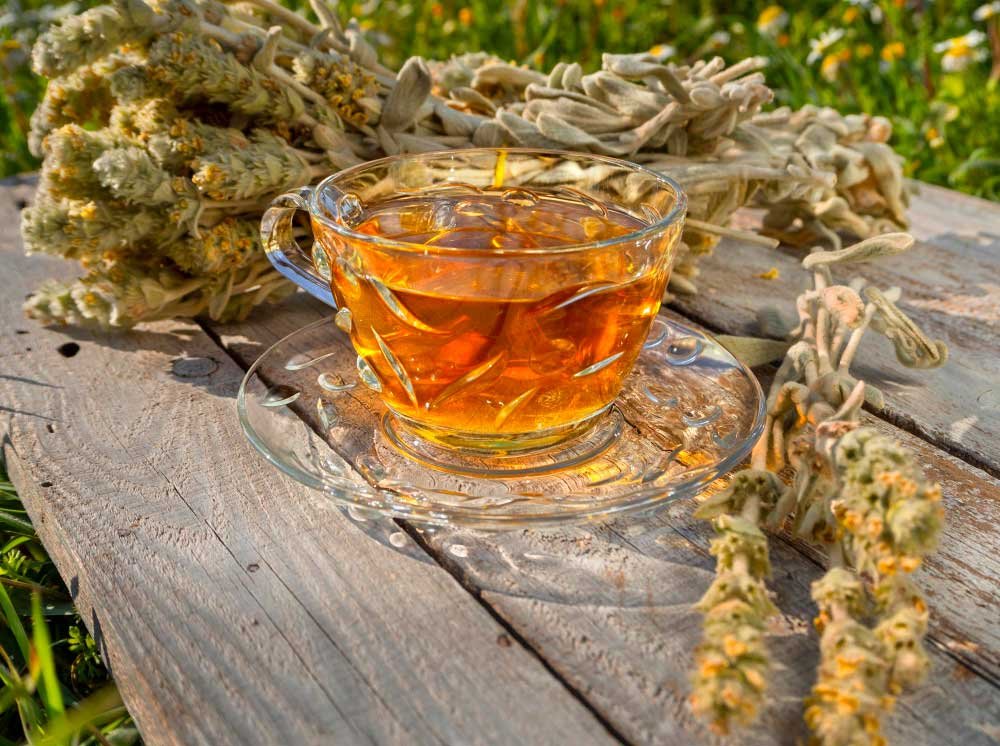
Greek mountain tea is a traditional herbal tea made from the flowering stems, leaves, and blossoms of plants belonging to the Sideritis genus. These hardy herbs grow naturally in the mountainous regions of Greece, Bulgaria, Albania, and other Balkan countries, where they have been harvested and enjoyed for generations.
Unlike black tea or green tea, Greek mountain tea is naturally caffeine-free because it is not derived from the Camellia sinensis plant. Instead, it is classified as an herbal infusion, making it a popular choice for people seeking a soothing beverage at any time of day.
Greek mountain tea is known for its light golden color, gentle earthy flavor, and subtle floral and citrus notes. Its pleasant taste, combined with its long history in Mediterranean herbal traditions, has helped make it one of the most popular herbal teas throughout Greece and the Balkans.
Today, Greek mountain tea is enjoyed worldwide by herbal tea enthusiasts who appreciate its unique flavor, natural origins, and traditional heritage.
Nutritional Profile of Greek Mountain Tea
Greek mountain tea is a naturally low-calorie herbal beverage made from the Sideritis plant. When consumed without added sweeteners, it contains virtually no calories, fat, or sugar, making it a healthy choice for those seeking a flavorful drink without unnecessary additives.
Although Greek mountain tea is not a significant source of vitamins or minerals, it contains a variety of naturally occurring plant compounds, including flavonoids, polyphenols, and essential oils. These compounds contribute to the tea’s antioxidant properties and are one reason why Greek mountain tea has been valued in traditional Mediterranean herbal practices for centuries.
Typical Nutritional Content (Per 8-Ounce Cup)
- Calories: 0–5
- Total Fat: 0g
- Carbohydrates: 0g
- Sugars: 0g
- Protein: 0g
- Caffeine: 0mg
Beneficial Plant Compounds
Greek mountain tea naturally contains:
- Flavonoids
- Polyphenols
- Phenolic acids
- Terpenoids
- Essential oils
These naturally occurring compounds help give the tea its distinctive aroma, mild flavor, and antioxidant content.
A Simple Addition to a Healthy Lifestyle
Because it is naturally caffeine-free and contains virtually no calories, Greek mountain tea can easily fit into a balanced diet. Many people enjoy it as a refreshing alternative to sugary beverages, coffee, or caffeinated teas while appreciating its traditional Mediterranean heritage and pleasant taste.
Greek Mountain Tea Benefits
Greek mountain tea has been enjoyed throughout Greece and the Balkans for centuries. While it is best known for its pleasant flavor and long history in Mediterranean herbal traditions, many people also appreciate Greek mountain tea for its naturally occurring plant compounds and caffeine-free nature. Below are some of the most commonly discussed Greek mountain tea benefits.
Rich in Natural Antioxidants
One of the most notable Greek mountain tea benefits is its antioxidant content. The Sideritis plant contains naturally occurring flavonoids and polyphenols, which help protect plant cells from oxidative stress. These compounds contribute to the tea’s popularity among those seeking antioxidant-rich herbal beverages.
Naturally Caffeine-Free
Unlike coffee, black tea, or green tea, Greek mountain tea contains no caffeine. This makes it an excellent option for individuals who want to reduce their caffeine intake while still enjoying a warm and flavorful drink throughout the day or evening.
If you’re looking for additional caffeine-free beverage options, our Caffeine-Free Teas Guide explores some of the most popular herbal teas available today.
Supports Daily Hydration
Like many herbal teas, Greek mountain tea can help increase daily fluid intake. Staying properly hydrated supports overall wellness and helps maintain normal bodily functions. Many people enjoy Greek mountain tea as a refreshing alternative to sugary drinks and soft beverages.
Traditionally Used for Relaxation
Greek mountain tea has long been consumed as part of relaxing daily routines across Mediterranean cultures. Its mild flavor, soothing aroma, and warming qualities make it a comforting beverage that many people enjoy during moments of rest and relaxation.
Gentle and Easy to Drink
Another reason for the growing popularity of Greek mountain tea benefits is its smooth, mild taste. It lacks the bitterness often associated with some traditional teas, making it approachable for both new and experienced herbal tea drinkers.
Enjoyed as Part of a Healthy Lifestyle
Because it is naturally low in calories, free of caffeine, and easy to prepare, Greek mountain tea fits well into many healthy lifestyle routines. Whether enjoyed hot during colder months or served iced in summer, it provides a flavorful and refreshing beverage option that can be enjoyed year-round.
Greek mountain tea is often included among the Best Herbal Teas for Immune Support thanks to its naturally occurring antioxidant compounds and long history of traditional use.
Antioxidants Found in Greek Mountain Tea
One of the most frequently discussed Greek mountain tea benefits is its natural antioxidant content. Like many herbal teas, Greek mountain tea contains a variety of plant-based compounds that help protect the plant from environmental stress. These compounds are also responsible for much of the tea’s distinctive flavor, aroma, and traditional appeal.
The Sideritis plant contains several naturally occurring antioxidants, including flavonoids, polyphenols, phenolic acids, and other beneficial phytochemicals. These compounds have attracted scientific interest because antioxidants help neutralize free radicals, unstable molecules that can contribute to oxidative stress within the body.
For a deeper understanding of how antioxidants function in the diet, visit Harvard Nutrition Source: Antioxidants.
Flavonoids
Flavonoids are among the most abundant antioxidant compounds found in Greek mountain tea. These naturally occurring plant pigments are present in many fruits, vegetables, herbs, and teas. Flavonoids contribute to the tea’s antioxidant properties and are often associated with plant-based wellness benefits.
Polyphenols
Polyphenols are another important group of antioxidants found in Greek mountain tea. These compounds occur naturally in many plants and are commonly studied for their role in protecting cells from oxidative damage. Polyphenols also contribute to the tea’s mild earthy flavor and herbal character.
Phenolic Acids
Greek mountain tea contains phenolic acids, which are naturally occurring compounds found in numerous medicinal and culinary plants. These substances are part of the plant’s natural defense system and contribute to its overall antioxidant profile.
Essential Oils and Plant Compounds
In addition to flavonoids and polyphenols, Greek mountain tea contains aromatic essential oils and other phytochemicals that contribute to its unique fragrance and taste. These compounds help create the delicate floral and slightly citrus-like notes that many tea drinkers enjoy.
Why Antioxidants Matter
Antioxidants help protect cells from oxidative stress caused by free radicals. While no single food or beverage can provide all the antioxidants the body needs, consuming antioxidant-rich foods and drinks as part of a balanced diet may help support overall wellness. This is one reason why Greek mountain tea continues to be appreciated as a traditional herbal beverage throughout the Mediterranean region and beyond.
Why Greek Mountain Tea Is Naturally Caffeine-Free
One of the reasons many people enjoy Greek mountain tea is that it is naturally caffeine-free. Unlike black tea, green tea, oolong tea, and white tea, which are all made from the Camellia sinensis plant and naturally contain caffeine, Greek mountain tea comes from the Sideritis plant and contains no caffeine at all.
Because it is caffeine-free, Greek mountain tea can be enjoyed at any time of day without the stimulating effects commonly associated with coffee or traditional teas. Many people choose it as an evening beverage when they want something warm and flavorful without worrying about caffeine affecting their sleep.
A Relaxing Alternative to Coffee and Tea
For individuals looking to reduce their caffeine consumption, Greek mountain tea provides an appealing alternative. It offers a mild herbal flavor and comforting aroma while allowing tea drinkers to avoid caffeine-related concerns such as jitters, nervousness, or disrupted sleep patterns.
Suitable for Evening Enjoyment
Many herbal tea enthusiasts enjoy Greek mountain tea as part of their nighttime routine. Its naturally caffeine-free nature makes it a popular option after dinner or before bed, especially for those who prefer to avoid caffeinated beverages later in the day.
Supports a Variety of Dietary Preferences
Because Greek mountain tea contains no caffeine, no sugar, and virtually no calories when served plain, it can fit into many different dietary and wellness routines. Whether you are limiting caffeine for personal preference or simply looking for more herbal beverage options, Greek mountain tea offers a flavorful and versatile choice.
A Popular Choice Among Herbal Tea Drinkers
The combination of its traditional heritage, pleasant taste, and naturally caffeine-free profile has helped make Greek mountain tea one of the most popular herbal teas in the Mediterranean region. Today, people around the world enjoy it as a soothing beverage that can be consumed throughout the day without the effects of caffeine.
Traditional Uses of Greek Mountain Tea
Greek mountain tea has been part of Mediterranean culture for centuries and remains one of the most cherished herbal beverages in Greece and the Balkans. Harvested from wild-growing Sideritis plants found on rocky mountain slopes, this herbal tea has traditionally been enjoyed not only for its pleasant flavor but also for its role in daily life and local customs.
Throughout history, shepherds, villagers, and mountain communities often brewed Greek mountain tea as a comforting drink after long days outdoors. Its availability in remote mountainous regions helped make it a staple household beverage that was commonly shared among family and friends.
Readers interested in learning more about traditional herbal practices can review the NCCIH Herbal Medicine Information resource for additional educational materials.
A Daily Herbal Beverage
One of the most common traditional uses of Greek mountain tea is as a daily drink. Many people throughout Greece enjoy a cup in the morning, afternoon, or evening as part of their regular routine. Its mild flavor and naturally caffeine-free nature make it suitable for consumption throughout the day.
Enjoyed During Colder Months
Greek mountain tea has long been associated with the winter season. Traditionally served hot, it provides a warming and comforting beverage during colder weather. Many households prepare it during the fall and winter months as part of their seasonal tea-drinking habits.
A Symbol of Hospitality
In many Greek and Balkan communities, offering guests a cup of herbal tea is considered a gesture of hospitality. Greek mountain tea is frequently served to visitors as a welcoming drink, reflecting the region’s long-standing traditions of sharing food and beverages with family and friends.
Commonly Paired with Honey and Lemon
Traditional preparation methods often include adding honey, lemon, or occasionally cinnamon to enhance the tea’s flavor. These additions complement the tea’s natural floral and earthy notes while creating a comforting beverage enjoyed by generations.
Connected to Mediterranean Herbal Traditions
Greek mountain tea holds an important place in the broader tradition of Mediterranean herbal remedies and wellness practices. While modern consumers often enjoy it for its taste and antioxidant content, its historical significance continues to be one of the reasons it remains a beloved herbal tea throughout Greece and neighboring Balkan countries today.
How Greek Mountain Tea Compares to Other Herbal Teas
Greek mountain tea stands out among herbal teas because of its unique flavor, Mediterranean heritage, and naturally caffeine-free profile. While many herbal teas offer their own distinctive characteristics, Greek mountain tea is often appreciated for its smooth taste and versatility. Here’s how it compares to some of the most popular herbal teas.
Greek Mountain Tea vs Chamomile Tea
Both Greek mountain tea and chamomile tea are naturally caffeine-free and commonly enjoyed as relaxing beverages. Chamomile has a sweeter, floral flavor with notes of apple, while Greek mountain tea offers a more earthy taste with subtle floral and citrus undertones. Those seeking a lighter herbal flavor may prefer chamomile, while those who enjoy a slightly more robust herbal profile often choose Greek mountain tea.
Those who enjoy relaxing herbal beverages may also be interested in learning about the Benefits of Chamomile Tea and how it compares to Greek mountain tea.
Greek Mountain Tea vs Hibiscus Tea
Hibiscus tea is known for its vibrant red color and tart, cranberry-like flavor. In contrast, Greek mountain tea produces a light golden infusion with a much milder taste. While both teas contain naturally occurring antioxidants, hibiscus offers a bold and tangy drinking experience, whereas Greek mountain tea provides a smoother and more delicate flavor.
For a fruitier and more tart herbal infusion, explore the Benefits of Hibiscus Tea and see how it differs from Greek mountain tea.
Greek Mountain Tea vs Lavender Tea
Lavender tea is prized for its distinctive floral aroma and fragrant taste. Greek mountain tea has a more balanced flavor profile, combining earthy, herbal, and citrus-like notes. People who enjoy strong floral flavors may gravitate toward lavender tea, while those seeking a gentler herbal tea often appreciate Greek mountain tea.
Herbal tea enthusiasts who appreciate floral flavors may also enjoy reading about the Benefits of Lavender Tea.
Greek Mountain Tea vs Peppermint Tea
Peppermint tea delivers a refreshing minty flavor and cooling sensation that is quite different from the subtle character of Greek mountain tea. Peppermint is often chosen for its bold taste, while Greek mountain tea is favored for its smooth, mellow profile and traditional Mediterranean roots.
Which Herbal Tea Is Best?
There is no single “best” herbal tea because personal preferences vary. Greek mountain tea appeals to those who enjoy a mild, naturally caffeine-free beverage with a rich cultural history. Chamomile, hibiscus, lavender, and peppermint each offer unique flavors and characteristics, making them excellent options depending on individual tastes and wellness goals.
Many herbal tea enthusiasts enjoy rotating between several varieties, allowing them to experience the diverse flavors and traditions found throughout the world of herbal teas.
How to Brew Greek Mountain Tea
Brewing Greek mountain tea is simple and requires only a few ingredients. Traditional preparation methods allow the herb’s natural flavors and aromas to develop fully, resulting in a smooth and enjoyable cup of tea. Whether you prefer it plain or enhanced with honey and lemon, proper brewing helps you get the best flavor from the dried Sideritis plant.
For additional brewing techniques and tips, see our complete guide on How to Brew Herbal Tea Properly.
Ingredients
- 1–2 teaspoons dried Greek mountain tea
- 8–10 ounces (240–300 ml) water
- Honey (optional)
- Lemon slices (optional)
- Cinnamon stick (optional)
Traditional Brewing Method
- Bring fresh water to a gentle boil.
- Add the dried Greek mountain tea to the water.
- Reduce the heat and allow the herbs to simmer for 5–10 minutes.
- Remove from heat and let the tea steep for an additional 2–5 minutes.
- Strain the herbs and pour the tea into a cup.
- Add honey, lemon, or cinnamon if desired.
Using a Tea Infuser
If you prefer a cleaner brewing method, place the dried herbs into a tea infuser or tea filter before steeping. Pour hot water over the herbs and allow them to steep for 5–10 minutes before removing the infuser.
Serving Greek Mountain Tea Hot
Greek mountain tea is most commonly served hot, especially during the cooler months. The warm infusion highlights its earthy, floral, and slightly citrus-like flavors while creating a comforting beverage that many people enjoy throughout the day.
Making Iced Greek Mountain Tea
Greek mountain tea can also be served cold during warmer weather.
- Brew the tea using the traditional method.
- Allow it to cool to room temperature.
- Refrigerate until chilled.
- Serve over ice with lemon slices or fresh herbs for added flavor.
Tips for the Best Flavor
- Use high-quality dried Greek mountain tea for the freshest taste.
- Avoid over-boiling the herbs, which may produce a stronger flavor than desired.
- Experiment with steeping times to find your preferred strength.
- Add natural sweeteners sparingly to preserve the tea’s delicate flavor profile.
With its simple preparation and versatile serving options, Greek mountain tea is an easy herbal beverage to enjoy year-round. Whether served hot or iced, it offers a refreshing way to experience one of the Mediterranean region’s most beloved traditional teas.
Best Time to Drink Greek Mountain Tea
One of the advantages of Greek mountain tea is its versatility. Because it is naturally caffeine-free, it can be enjoyed at virtually any time of day without the stimulating effects associated with coffee, black tea, or green tea. The best time to drink Greek mountain tea often depends on your personal preferences and daily routine.
Because it contains no caffeine, Greek mountain tea is often included among the Best Bedtime Teas enjoyed before sleep.
In the Morning
Many people enjoy Greek mountain tea as a gentle alternative to caffeinated beverages. Its mild flavor and refreshing aroma make it a pleasant way to start the day, especially for those looking to reduce their caffeine intake while still enjoying a warm morning drink.
During the Afternoon
Greek mountain tea can be an excellent afternoon beverage when you want something comforting without consuming additional caffeine. A cup during the middle of the day can provide a refreshing break while helping support daily hydration.
In the Evening
Since Greek mountain tea contains no caffeine, it is particularly popular in the evening. Many people enjoy a warm cup after dinner as part of a relaxing nighttime routine. Its smooth flavor and soothing aroma make it a comforting choice before bed.
During Colder Weather
Greek mountain tea is traditionally enjoyed during the fall and winter months when a warm beverage is especially appealing. The tea’s earthy and floral notes pair well with cool temperatures, making it a favorite seasonal drink throughout Greece and the Balkans.
Served Iced During Summer
While commonly consumed hot, Greek mountain tea can also be enjoyed as an iced beverage during warmer months. Chilled Greek mountain tea provides a refreshing and flavorful way to stay hydrated on hot days.
Whenever You Want a Caffeine-Free Beverage
Ultimately, there is no wrong time to enjoy Greek mountain tea. Whether you drink it in the morning, afternoon, or evening, its naturally caffeine-free profile makes it a versatile herbal tea that can fit easily into almost any daily routine.
Greek Mountain Tea Blends and Flavor Pairings
Greek mountain tea has a naturally smooth and mild flavor that pairs well with a variety of herbs, fruits, and spices. While many people enjoy it on its own, blending it with complementary ingredients can create unique flavor profiles and enhance the overall tea-drinking experience.
Popular Greek Mountain Tea Blends
Greek Mountain Tea and Chamomile
Combining Greek mountain tea with chamomile creates a gentle herbal blend with floral notes and a naturally soothing flavor. This combination is popular among herbal tea enthusiasts who enjoy light and delicate teas.
Greek Mountain Tea and Lemon Balm
Lemon balm adds a subtle citrus flavor that complements the earthy character of Greek mountain tea. The result is a refreshing and aromatic herbal infusion.
Greek Mountain Tea and Peppermint
Peppermint introduces a cooling mint flavor that balances the tea’s mild herbal notes. This blend is especially enjoyable when served iced during warmer months.
Greek Mountain Tea and Lavender
Lavender contributes a fragrant floral aroma that pairs beautifully with the tea’s natural sweetness and Mediterranean character.
Greek Mountain Tea and Hibiscus
For a more vibrant flavor, hibiscus adds a tart, fruity element and a beautiful reddish hue to the brewed tea.
Foods That Pair Well with Greek Mountain Tea
Greek mountain tea can be enjoyed alongside a variety of snacks and desserts, including:
- Honey biscuits
- Shortbread cookies
- Baklava
- Almond pastries
- Fresh fruit
- Greek yogurt with honey
- Lemon cake
- Whole-grain crackers
Sweetening Options
Many people enjoy Greek mountain tea plain, but popular additions include:
- Honey
- Lemon slices
- Cinnamon sticks
- Orange peel
- A small amount of natural sweetener
Experimenting with different combinations can help you discover your favorite way to enjoy this versatile herbal tea.
Potential Side Effects and Considerations
Greek mountain tea is generally considered a well-tolerated herbal beverage when consumed in moderation. However, as with any herbal product, individual reactions can vary.
Allergic Reactions
Although uncommon, some individuals may be sensitive to plants in the Sideritis family or related herbs. If you experience unusual symptoms after drinking Greek mountain tea, discontinue use and consult a healthcare professional.
Pregnancy and Breastfeeding
Pregnant or breastfeeding individuals should consult a qualified healthcare provider before regularly consuming herbal teas, including Greek mountain tea, to determine what is appropriate for their individual circumstances.
Medication Interactions
People taking prescription medications should speak with a healthcare professional before adding large amounts of any herbal tea to their routine. This is especially important if they have underlying health conditions or are following a specific treatment plan.
Moderation Is Recommended
While Greek mountain tea is enjoyed daily by many people throughout the Mediterranean region, moderation is generally recommended as part of a balanced diet and healthy lifestyle.
Choose Reputable Sources
Purchasing Greek mountain tea from reputable suppliers can help ensure product quality, freshness, and proper identification of the herb.
Many people rotate Greek mountain tea with other calming beverages featured in our guide to the Best Herbal Teas for Relaxation.
How to Choose High-Quality Greek Mountain Tea
The quality of Greek mountain tea can significantly influence its flavor, aroma, and overall drinking experience. Selecting premium tea ensures you get the best characteristics from this traditional herbal beverage.
Look for Whole Stems and Flowers
High-quality Greek mountain tea often contains intact stems, leaves, and flowers rather than excessive broken pieces or powder. Whole herbs typically retain their aroma and appearance better during storage.
Check the Color and Aroma
Fresh Greek mountain tea should have a pleasant herbal fragrance and natural greenish-yellow color. Avoid products that appear excessively faded or have little aroma.
Choose Organic Options When Possible
Many consumers prefer organically grown Greek mountain tea to minimize exposure to synthetic pesticides and agricultural chemicals. Look for certified organic products when available.
Buy from Trusted Suppliers
Purchasing from reputable tea companies or specialty herbal tea retailers can help ensure authenticity and freshness.
Review Packaging Details
Quality tea should be stored in airtight packaging that protects it from moisture, heat, and direct sunlight. Proper packaging helps preserve flavor and aroma.
Consider the Source Region
Greek mountain tea grown in traditional mountainous regions of Greece is often highly regarded for its quality and authenticity. Some tea enthusiasts specifically seek products sourced from well-known Greek growing areas.
Frequently Asked Questions About Greek Mountain Tea Benefits
What are the main Greek mountain tea benefits?
Greek mountain tea benefits commonly discussed include its natural antioxidant content, caffeine-free nature, pleasant flavor, and traditional use as a daily herbal beverage throughout Greece and the Balkans. Many people also enjoy it as a low-calorie alternative to coffee and traditional tea.
Does Greek mountain tea contain caffeine?
No. Greek mountain tea is naturally caffeine-free because it is made from the Sideritis plant rather than the Camellia sinensis plant used to produce black, green, and white teas.
What does Greek mountain tea taste like?
Greek mountain tea has a mild, smooth flavor with earthy, floral, and slightly citrus-like notes. It is generally less bitter than many traditional teas and can be enjoyed plain or with honey and lemon.
Can I drink Greek mountain tea every day?
Many people throughout the Mediterranean region enjoy Greek mountain tea daily as part of their regular routine. If you have specific health concerns, are pregnant, or take medications, consult a healthcare professional before making significant dietary changes.
Is Greek mountain tea the same as herbal tea?
Greek mountain tea is a type of herbal tea, but not all herbal teas are Greek mountain tea. It is specifically made from plants in the Sideritis genus that grow in mountainous regions of Greece and the Balkans.
How do you prepare Greek mountain tea?
Greek mountain tea is typically prepared by simmering or steeping dried stems, leaves, and flowers in hot water for 5–10 minutes. It can be served hot or cold and is often enjoyed with honey, lemon, or cinnamon.
Where can I buy Greek mountain tea?
Greek mountain tea can be purchased from specialty tea shops, Mediterranean grocery stores, health food stores, and online retailers. Look for reputable suppliers that offer high-quality, properly sourced Sideritis tea.
Can Greek mountain tea be served cold?
Yes. Greek mountain tea makes an excellent iced herbal tea. Simply brew the tea, allow it to cool, refrigerate, and serve over ice for a refreshing caffeine-free beverage.
Is Greek mountain tea good for beginners?
Absolutely. Its mild flavor, smooth taste, and lack of caffeine make Greek mountain tea an excellent choice for people who are new to herbal teas.
How is Greek mountain tea different from chamomile tea?
Both teas are naturally caffeine-free, but chamomile has a sweeter floral flavor, while Greek mountain tea offers a more earthy taste with subtle floral and citrus notes. Many herbal tea drinkers enjoy both varieties for different occasions.
Final Thoughts on Greek Mountain Tea Benefits
Greek mountain tea has earned its place as one of the Mediterranean region’s most beloved herbal beverages. Known for its mild flavor, natural antioxidant content, and caffeine-free nature, it offers a simple and enjoyable alternative to traditional teas and coffee.
Whether you appreciate Greek mountain tea benefits for its traditional heritage, smooth taste, or versatility, this herbal infusion can be enjoyed throughout the year. From relaxing evening cups to refreshing iced tea during summer, Greek mountain tea remains a timeless favorite among herbal tea lovers around the world.
As interest in herbal wellness continues to grow, Greek mountain tea stands out as a traditional beverage that combines centuries of Mediterranean history with a pleasant and approachable flavor profile. Whether you’re new to herbal teas or looking to expand your collection, Greek mountain tea is a wonderful addition to any tea-drinking routine.
Post Disclaimer
The information contained in this post is for general information purposes only. The information is provided as is and while we endeavour to keep the information up to date and correct, we make no representations or warranties of any kind, express or implied, about the completeness, accuracy, reliability, suitability or availability with respect to the website or the information, products, services, or related graphics contained on the post for any purpose.
These statements have not been evaluated by the FDA and are not intended to diagnose, treat, cure or prevent any disease or health condition. If you have specific healthcare concerns or questions about the products displayed, please contact your licensed healthcare professional for advice or answers.